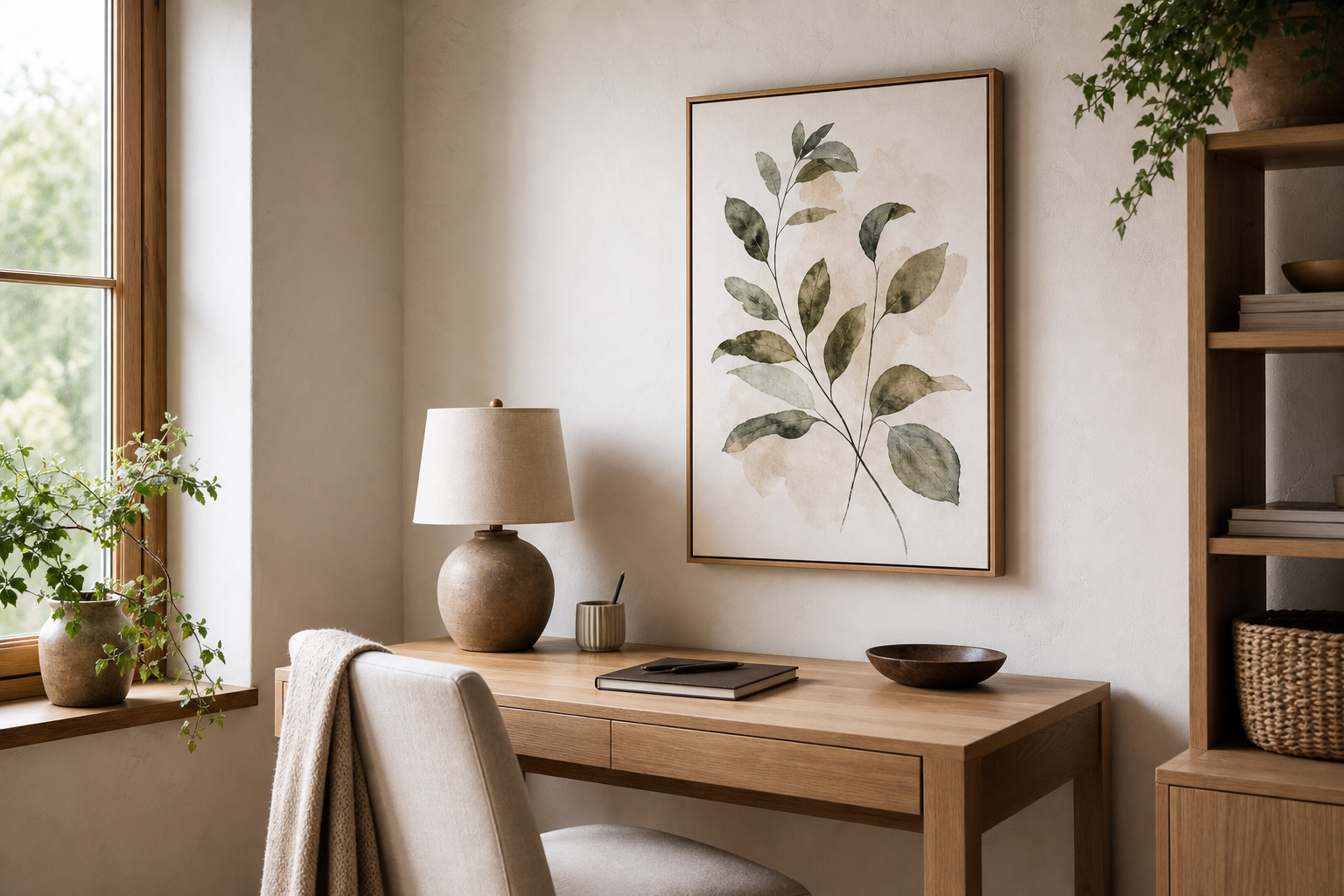
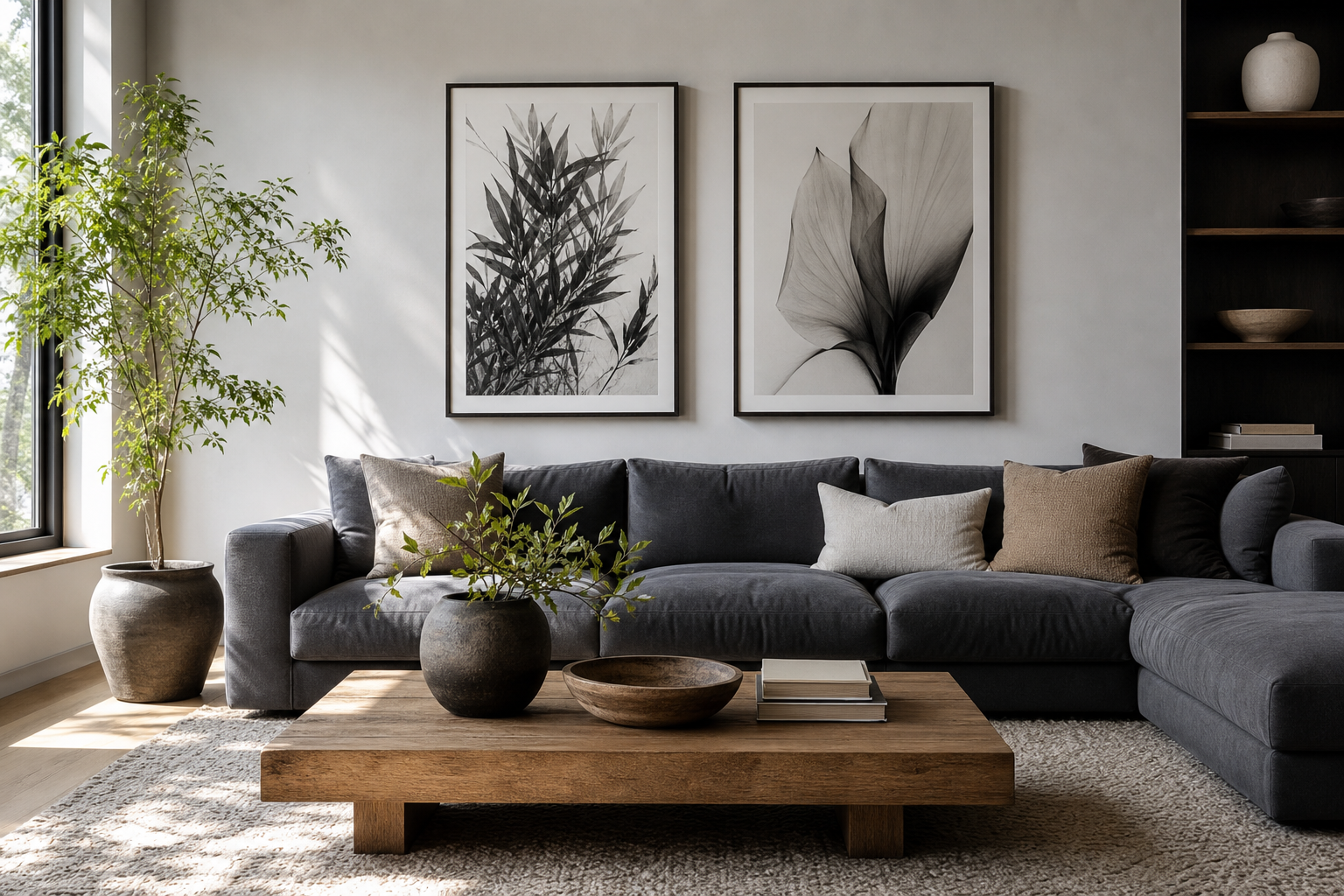
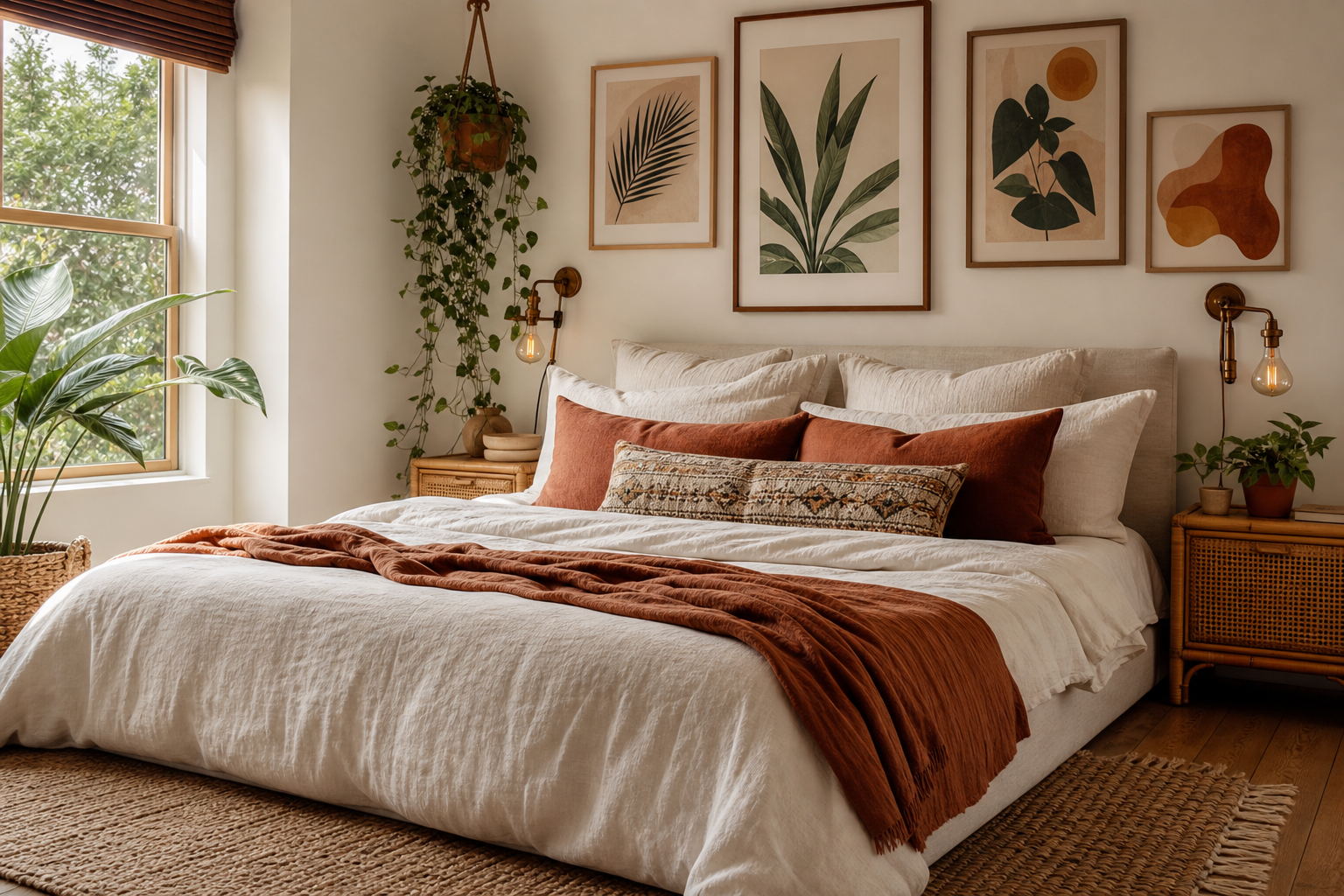
A strong piece of wall art does more than fill an empty wall — it sets the tone for the whole room. When you style the poster star well, it becomes the visual anchor that makes furniture, color, and accessories feel considered rather than scattered. The best results come from treating it as a focal point first, then building the rest of the room around its scale, palette, and mood.
What Makes The Poster Star Stand Out
The reason the poster star works so well in modern interiors is simple: one confident image can create structure fast. In a room with clean-lined furniture, even a single artwork introduces contrast, movement, and personality. That is especially effective if you lean into collections with a graphic edge, such as our Typography collection, pared-back Minimalist art prints, or bolder Abstract wall art.
Pieces with a strong silhouette or clear composition are the easiest to style because they read well from across the room. A print like the typographic portrait below has enough detail to stay interesting up close, but enough contrast to hold its own over a sofa, sideboard, or desk.

If you want the room to feel editorial and polished, choose artwork with one dominant idea rather than several competing elements. That is why graphic portraiture, restrained illustration, and modern abstract work often outperform busy decorative pieces. You can see that balance across our Illustration range and selected Fine Art prints when the goal is a room that feels personal but not crowded.
Choose the Right Room and Wall
The best wall for the poster star is usually the one you notice first when entering the room. In a living room, that is often above the sofa. In a bedroom, it is usually the wall above the headboard. In a home office, the most effective position is behind or beside the desk, where the art adds depth without causing glare on a screen.

Start with wall width. As a rule, the artwork or arrangement should cover about 60% to 75% of the width of the furniture beneath it. If your sofa is 200 cm wide, aim for art around 120 to 150 cm across in total. That could be one large frame or a pair of medium pieces.
Light matters just as much. North-facing rooms handle richer tones well because the cooler light softens them. South-facing rooms with strong sun often suit softer neutrals, monochrome graphics, or subtle texture better. If your wall receives direct light for several hours a day, use glass with UV protection and avoid placing the frame where glare cuts across the image at seated eye level.
For narrower walls — entryways, reading corners, compact dining nooks — a vertical piece is often more effective than a wide one. A fashion-led artwork such as Retro Fashion Portrait Print can add height and presence in a tighter footprint.
Frame It for the Look You Want
Framing changes the entire character of a print. A slim black frame gives structure and definition, especially with graphic or high-contrast art. Oak or walnut warms up the image and helps it sit more naturally with wood furniture. White frames work best when you want a lighter, gallery-style finish against colored walls.
If you prefer a cleaner, more architectural result, add a white mount around the artwork. A mount of 5 to 8 cm gives smaller prints more presence and makes 30 x 40 cm or 50 x 70 cm sizes look more substantial on larger walls. Without a mount, the look feels sharper and more contemporary — often a better choice for minimalist prints or crisp typographic statement pieces.

Material finish matters too. Matte paper and non-reflective glazing make art easier to view in bright spaces, while standard glazing can sharpen darker prints in low-light rooms. If the room already has many shiny finishes — mirrors, lacquered furniture, polished stone — a matte framed print usually feels more balanced.
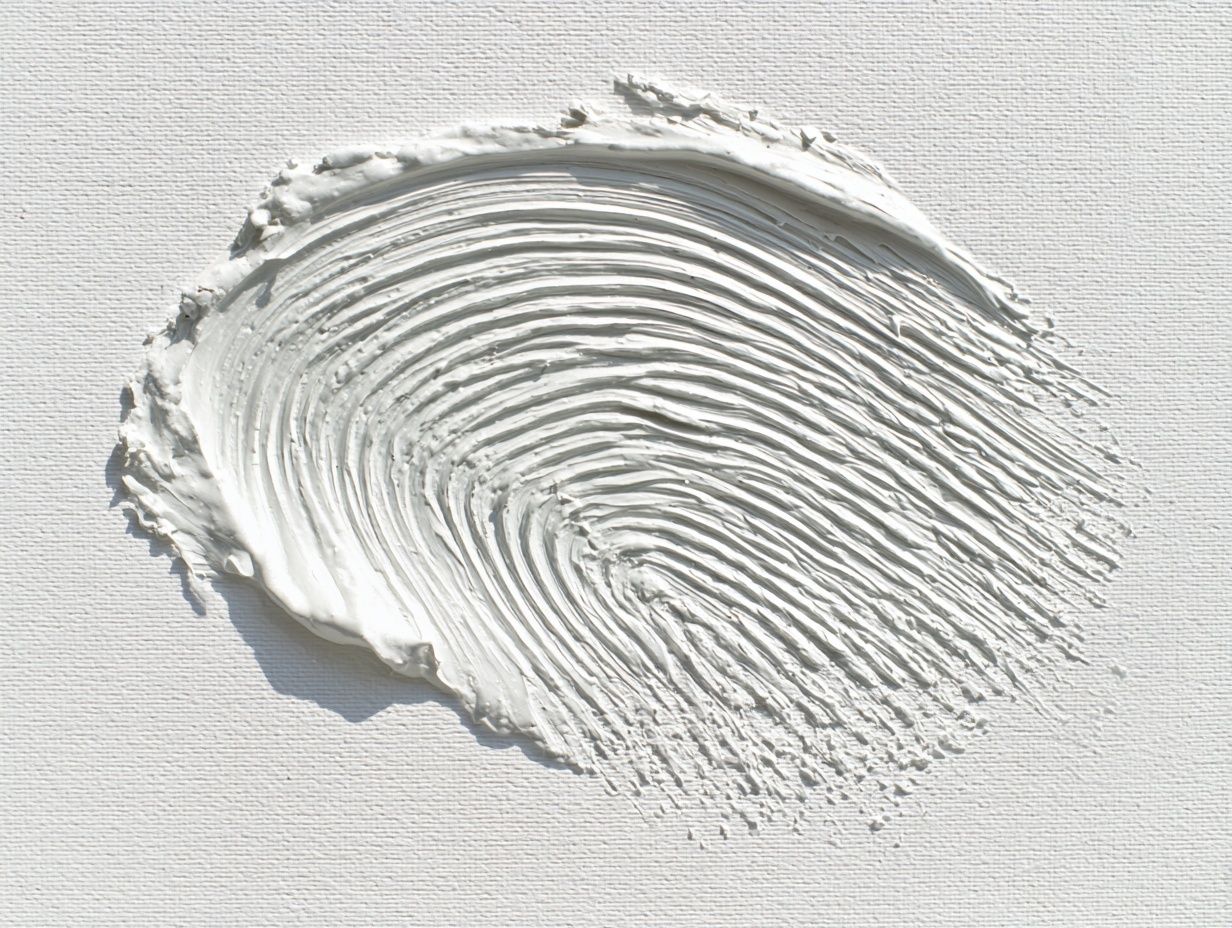
A piece with visible texture or movement can become more refined with the right frame. That is one reason Textured Waves — Abstract Print works well in a simple frame — the composition already brings enough depth.

Build a Color Story Around It
The easiest way to make wall art feel intentional is to repeat two or three colors from the print elsewhere in the room. Keep the ratio practical: around 70% base neutrals, 20% supporting color, and 10% accent. That keeps the room cohesive without turning every accessory into a match.
If your artwork includes blush, rust, teal, charcoal, or ochre, echo one of those tones in a cushion, throw, table lamp, or rug detail. Do not repeat every color in the image. Pulling just one secondary tone is often enough. In a neutral room, that single repeated accent can make the art feel built in rather than added later.
A four-piece grouping can also help you develop a fuller palette. The set below works well for rooms that need movement, contrast, and a clear color bridge between upholstery, textiles, and wall decor.

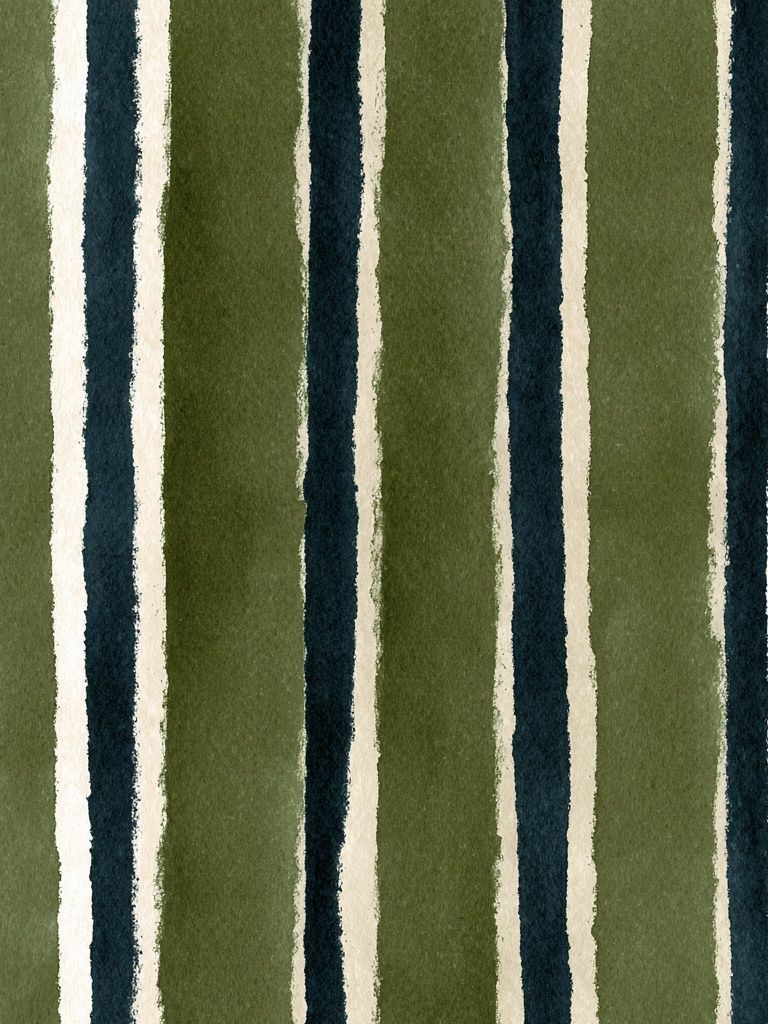
Warm interiors with linen, oak, terracotta, or cream tend to suit softer abstracts and painterly pieces. Cooler interiors with black metal, glass, or grey upholstery often benefit from stronger contrast. If your room already has bold color, keep the artwork more restrained. If the room is mostly neutral, the art can carry more energy — especially through color-driven abstract prints or selective pieces from our Fashion collection.
Size, Scale, and Hanging Height
Most hanging mistakes come down to scale. Art that is too small makes the whole wall feel unfinished. As a practical guide, use 30 x 40 cm for shelves, narrow walls, or layered styling; 50 x 70 cm for bedside walls, desks, and smaller focal points; and 70 x 100 cm or larger when the piece needs to anchor a sofa or bed.
Hang the center of the frame roughly 145 to 152 cm from the floor in rooms where people mostly stand. Above furniture, keep the lower edge of the frame about 15 to 25 cm above the top of the sofa, headboard, or console. That gap keeps the art visually connected to the furniture beneath it.
If you are grouping pieces, keep spacing consistent at 5 to 8 cm between frames. Mixed-size arrangements work best when they share one common line — either aligned along the top, center, or bottom edge. That creates order, even if the artworks vary in style.
Easy Styling Ideas for Different Homes
In a compact apartment, one statement piece often works better than a busy gallery wall. Place it above a slim sofa or dining bench, then repeat one tone from the print in a cushion and one in a tabletop object. This keeps the room open while still giving it a focal point.

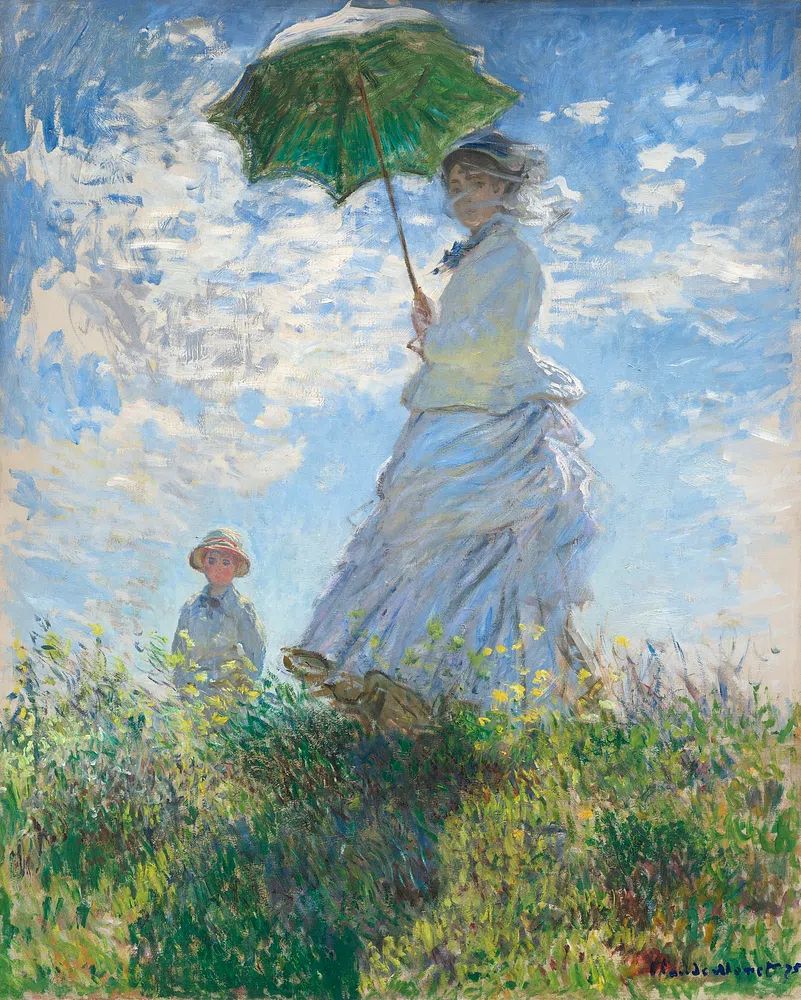
In a bedroom, softer imagery usually feels more restful than highly saturated work. Fine art pieces with airy brushwork or floral tones can add presence without visual noise. A print such as Woman with a Parasol — Impressionist Print suits rooms with light woods, soft bedding, and a quieter palette.
In a creative workspace, you can be bolder. Stronger graphic pieces, fashion imagery, or modern illustration add momentum near a desk or shelving unit. If you want a sharper, more directional mood, look at Fashion Walk — Minimalist Print or pieces with defined contrast from the Zodiac Wheel Sketch Poster end of the spectrum.
For living rooms that need more character, pair one main artwork with a second supporting frame on an adjacent wall or shelf. Keep one piece dominant and the other quieter. That asymmetry feels more relaxed than matching pairs in every spot.

Shop and Style Tips to Finish the Space
Before ordering, measure the wall, the furniture below it, and the free space around nearby sconces, shelves, or switches. A frame that looks ideal in isolation can feel cramped once you account for a lamp, curtain edge, or tall headboard. Tape the artwork size on the wall first — painter's tape takes five minutes and prevents expensive guesswork.
When the room already includes pattern in rugs, curtains, or upholstery, use wall art with one clear visual message. When the room is plain, the art can do more of the decorative work. This is the simplest way to make the poster star feel intentional instead of incidental.
Final thoughts
A well-styled artwork gives a room direction. The right wall, correct size, a frame that suits the furniture, and two or three repeated colors will do more than a shelf full of unrelated accessories.
Start with one piece you genuinely want to live with, then build outward with restraint. That is usually all the poster star needs to look settled, polished, and completely at home.
Frequently Asked Questions
What frame color is safest if I change my decor often?
Black is the most flexible for modern interiors, while oak is the easiest warm-neutral option. Both work across living rooms, bedrooms, and home offices without needing a full restyle.
Can I lean the frame on a shelf instead of hanging it?
Yes — this works especially well with 30 x 40 cm and 50 x 70 cm sizes. Use shelf layering with one taller object, such as a vase or candleholder, so the arrangement looks deliberate.
Should I choose matte or glossy glazing?
Matte or low-reflection glazing is better in bright rooms with windows opposite the wall. Glossier glazing can look crisper in dimmer spaces but shows more glare.
What pairs well with bold statement art in a small room?
Keep surrounding decor simple: one textured rug, two or three cushions, and minimal shelf styling. Too many small decorative objects will compete with the artwork and make the room feel busy.