Why Photography Works So Well in the Bedroom
Good bedroom art should lower visual noise, not raise it. That is why photography for the bedroom works so well: a strong photograph can bring atmosphere, depth, and personality without the hard edges or heavy contrast that often make a room feel busy. A shoreline in early light, a quiet landscape, or a close crop of water and texture gives the eye somewhere to rest.
Photography also feels personal in a way many decorative prints do not. It suggests memory, travel, weather, and place. In a room built for rest, that matters. Bedrooms usually contain soft materials — linen, wool, wood, boucle, cotton — and photography complements those surfaces because it can echo the same softness in tone. If your space already leans pared back, pieces from our Photography collection or Minimalist art prints often add interest without interrupting the calm.
A practical benefit is versatility. Photography for the bedroom can read serene in a modern apartment, cozy in a layered family home, or refined in a classic interior. The subject changes, but the effect is similar: the room feels more finished and more intentional.

Choose Images That Feel Calm and Intentional
The easiest way to choose bedroom photography is to start with emotional temperature. Ask whether the image feels quiet, airy, grounded, or reflective. Bedrooms usually suit photographs with low to medium contrast and a restrained palette — sand, sage, foggy blue, charcoal, off-white, muted blush. Very saturated reds, loud graphic black-and-white, or crowded urban scenes can work, but they need a careful room around them.
Landscapes are the safest choice because they visually open the room. Coastal horizons, mountains in haze, tree lines, and sky studies all create a sense of distance. Yosemite National Park. Original image is a strong example for larger walls because it brings scale without feeling harsh. If you prefer something more abstract and fluid, water-based imagery works especially well near the bed.

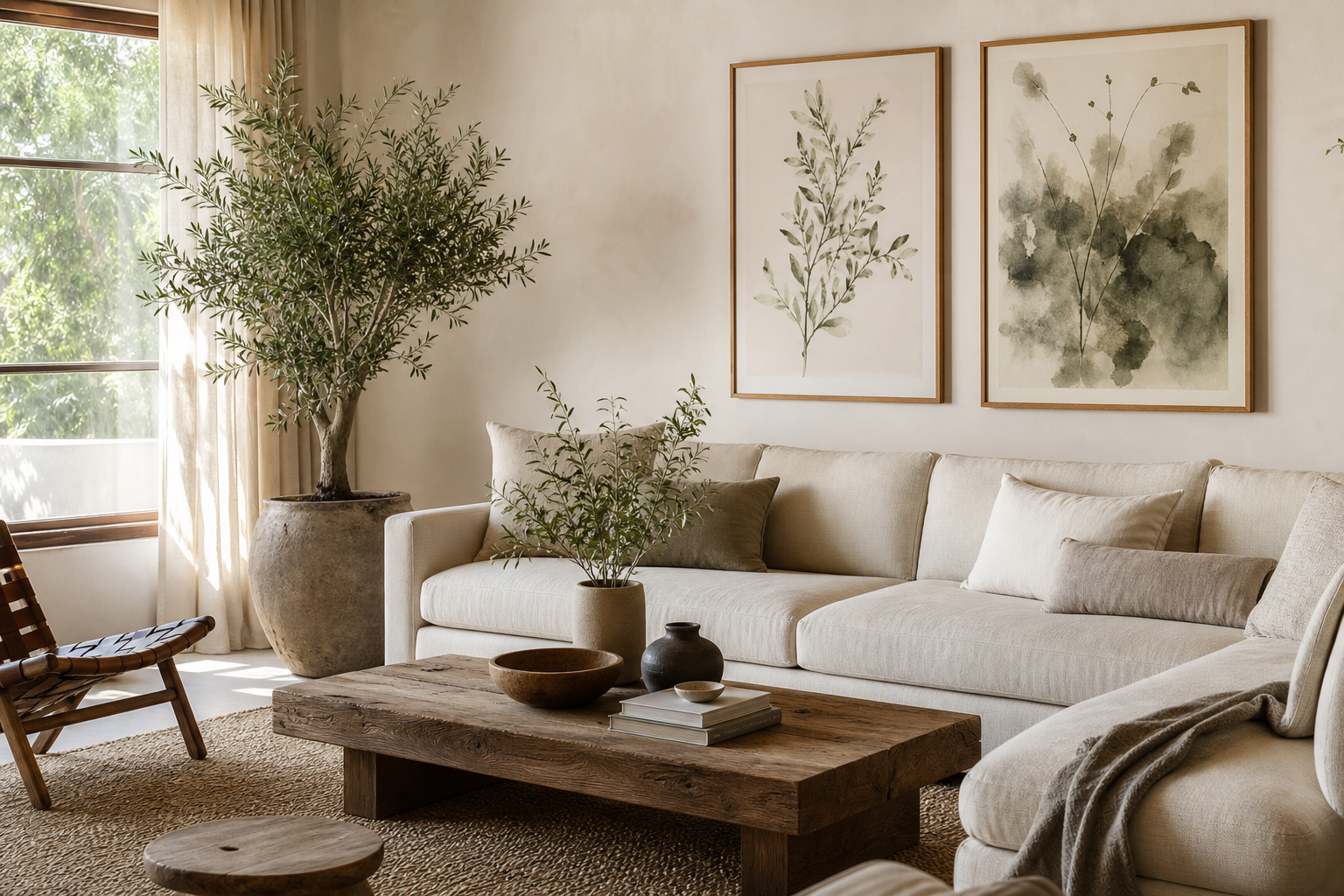
Close-up nature photography is another smart option. Water, petals, fog, fabric, and shadow create softness through texture rather than through obvious subject matter. That approach suits both minimalist rooms and more layered interiors. For a cleaner scheme, pair photographic pieces with selections from our Abstract wall art collection or Fine Art prints so the room has variation without visual competition.
If you want the bedroom to feel more intimate than scenic, choose figure photography carefully. Look for images with turned-away poses, soft light, or natural settings rather than high-energy fashion or dramatic street scenes. Woman at Sunset and Woman Walking in Nature suit this direction better than images with sharp styling or urban motion.
Get the Scale Right Above the Bed and Around the Room
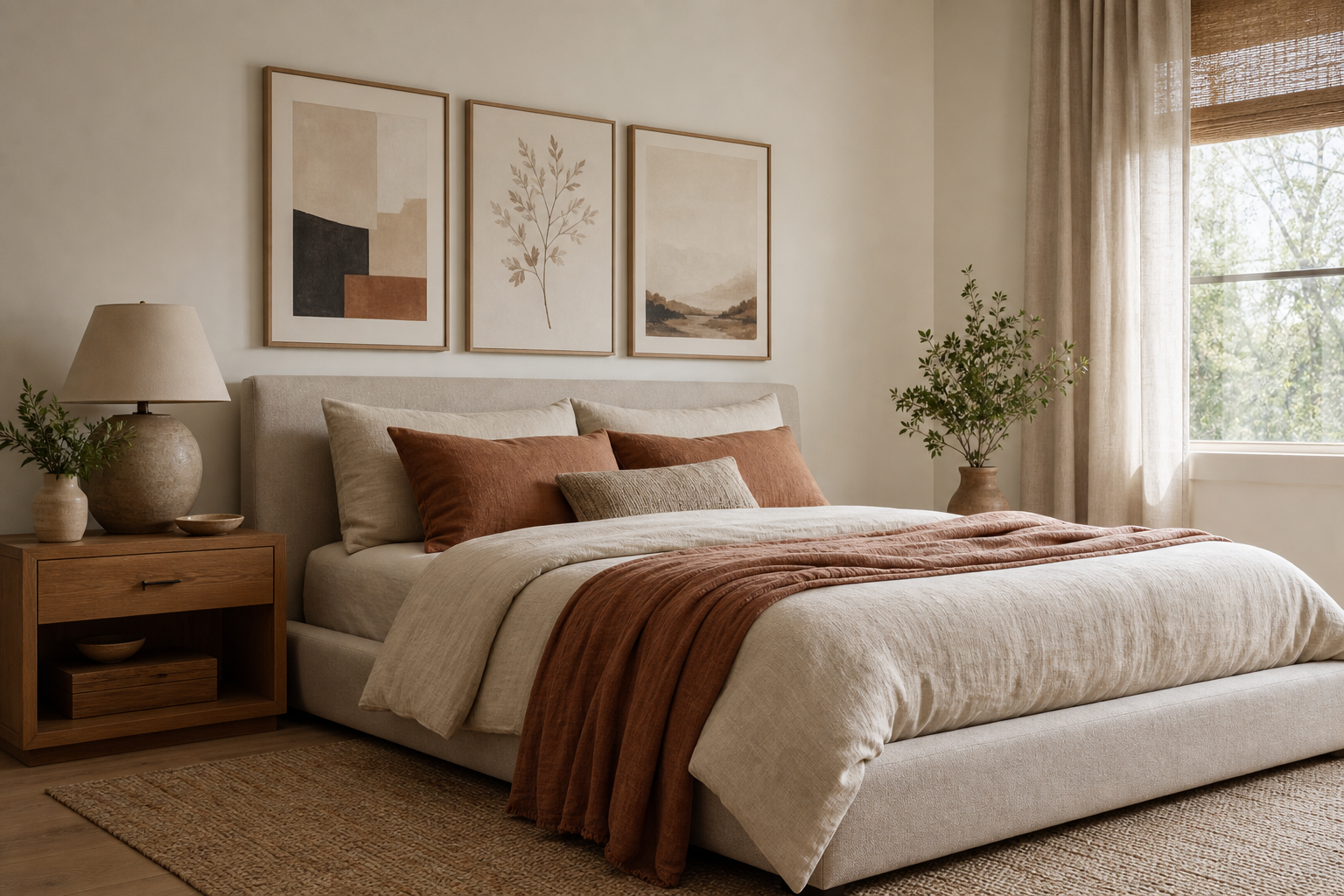
Most bedroom art fails because it is too small. Above a queen bed, aim for artwork or a grouped arrangement that spans roughly 60% to 75% of the headboard width. If your bed is 160 cm wide, that means a total art width of about 96 to 120 cm. Above a king bed at 180 cm, aim closer to 108 to 135 cm.
For one large piece, common sizes like 70 x 100 cm or 100 x 140 cm usually feel balanced above a bed. For a pair, two 50 x 70 cm frames with 7 to 10 cm between them create a calm, symmetrical look. For a trio, three 40 x 50 cm or 50 x 70 cm prints can work well if the wall is wider and the ceiling height supports it. Keep the bottom edge of the arrangement 15 to 25 cm above the headboard so it feels connected to the furniture.

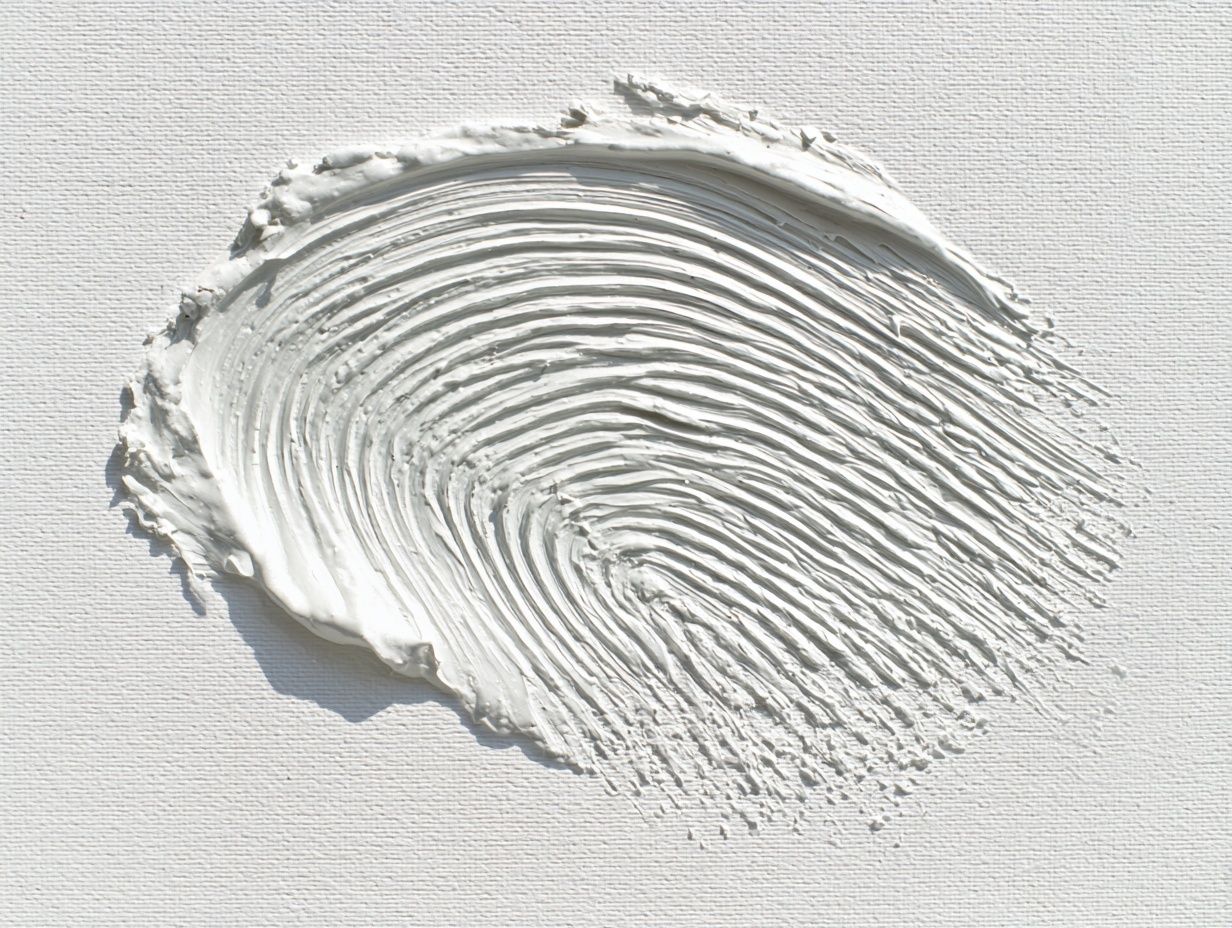
Side walls and corners need a different approach. Near a dresser, a vertical 50 x 70 cm print often feels cleaner than a wide horizontal piece. In a reading nook, 30 x 40 cm or 40 x 50 cm photography can add character without taking over. Even in smaller bedrooms, one well-scaled photograph beats several undersized ones. If you need more softness than detail, Elegant White Fabric or Textured White Abstract can bridge the gap between art and architecture beautifully.


Match the Frame and Finish to the Bedroom Style
Frame choice changes the mood as much as the image itself. Oak and ash frames warm up cool photography and work especially well in Scandinavian, Japandi, and soft minimalist bedrooms. Black frames give sharper definition and suit modern rooms with stronger contrast. White frames can disappear nicely against pale walls, but they need enough tonal difference in the artwork to avoid looking flat.
Matting is useful when the photograph has subtle detail. A white mat of 4 to 8 cm adds breathing room and gives smaller prints more presence. This is especially helpful for 30 x 40 cm and 50 x 70 cm formats. If the image already has a lot of negative space, skip the mat and let the frame stay simple.
Finish matters too. In bedrooms, a matte print surface usually looks better than high gloss because it reduces glare from bedside lamps, ceiling fixtures, and morning sun. That makes the image easier to live with from every angle. If your room includes cane, boucle, linen, or brushed wood, softer finishes tend to sit more naturally alongside those materials. For relaxed, neutral styling, pieces from our Bohemian wall art selection can pair surprisingly well with understated photography.

Classic bedrooms can also handle a more decorative mix. A photographic print beside something painterly — such as Vincent van Gogh's Bedroom — gives the space depth, as long as both works share similar tones. The common thread should be palette, not subject.

Create a Bedroom Gallery Wall That Feels Relaxed
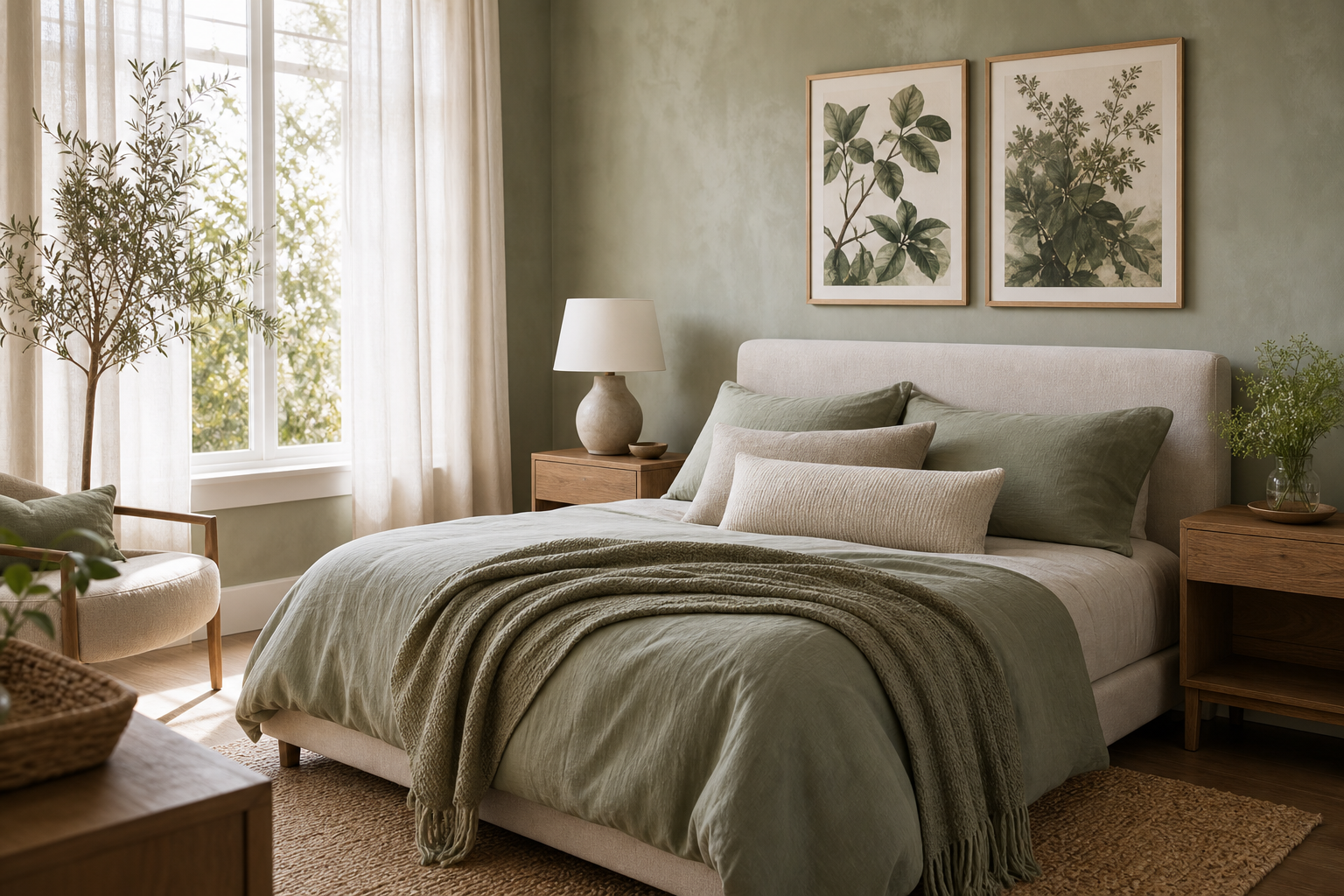
A bedroom gallery wall should be looser and quieter than one in a hallway or living room. Limit the number of pieces to 4 to 8 if the wall is near the bed. Use a tight palette and repeat at least one element — frame color, mat width, or subject style — across the whole arrangement. That repetition keeps the display calm.
The easiest formula is one anchor image plus supporting pieces. Start with a larger photograph, then add two or three smaller works around it. Mix one scenic photograph, one abstract texture, and one soft figurative or botanical piece. Leave 5 to 8 cm between frames for a compact, restful composition. Wider spacing can make the arrangement feel disconnected.
If you want a collected look without clutter, combine photography with minimal forms. A quiet seascape next to White Flower Silhouette or Textured Waves keeps the wall layered but controlled. Avoid filling every gap. Negative space is what makes a bedroom gallery wall feel breathable.


Final Tips for Styling Photography in a Bedroom
Before you hang anything, test the arrangement at full size. Tape kraft paper templates to the wall, or place the framed pieces on the floor in front of the bed and view them from the doorway. In most bedrooms, symmetry reads calmer than an intentionally off-balance layout, especially above the headboard.
Think about lighting early. A photograph with delicate tonal shifts can look muddy under a warm bulb below 2200K or too stark under very cool white light above 4000K. For bedrooms, 2700K to 3000K usually gives the best balance. If there is strong daylight from one side, choose images with enough tonal range to stay visible in both morning brightness and evening lamplight.
Finally, match the art to how you want the room to feel at 10 p.m., not just how it looks at noon. That is the simplest test for photography for the bedroom. If the image makes the room feel quieter, more grounded, and more personal, it is doing its job.
Final thoughts
The best photography for the bedroom is rarely the loudest piece in the room. It is the one that supports rest, works with your materials, and fits the wall with confidence. Start with a calm image, choose a frame that matches the room, and size it generously.
If you keep the palette restrained and the layout simple, bedroom photography will always feel more considered than accidental. A well-chosen photograph can finish the room in one move.
Frequently Asked Questions
What size photography print works best for a small bedroom?
For a small bedroom, start with 40 x 50 cm or 50 x 70 cm. One properly scaled piece usually looks better than several small frames competing on the wall.
Should bedroom photography be framed with glass or acrylic?
Acrylic is lighter and easier to hang, especially above the bed. Glass can look crisp, but it is heavier and can produce more glare in rooms with bedside lamps.
Do black-and-white photos work in bedrooms?
Yes — if the contrast is not too aggressive. Soft grayscale landscapes, architecture, or texture studies work better than very graphic, high-contrast images.
What colors pair best with photography in a bedroom?
Warm white, beige, taupe, sage, dusty blue, and charcoal are reliable choices. Pull one or two colors from the photograph into bedding, curtains, or a rug for a more cohesive look.
How high should I hang art on a wall that is not above the bed?
Use eye level as a guide — typically place the center around 145 to 150 cm from the floor. If the art hangs above furniture, keep 15 to 20 cm between the top of the furniture and the bottom of the frame.