What Minimalism Means in a Living Room
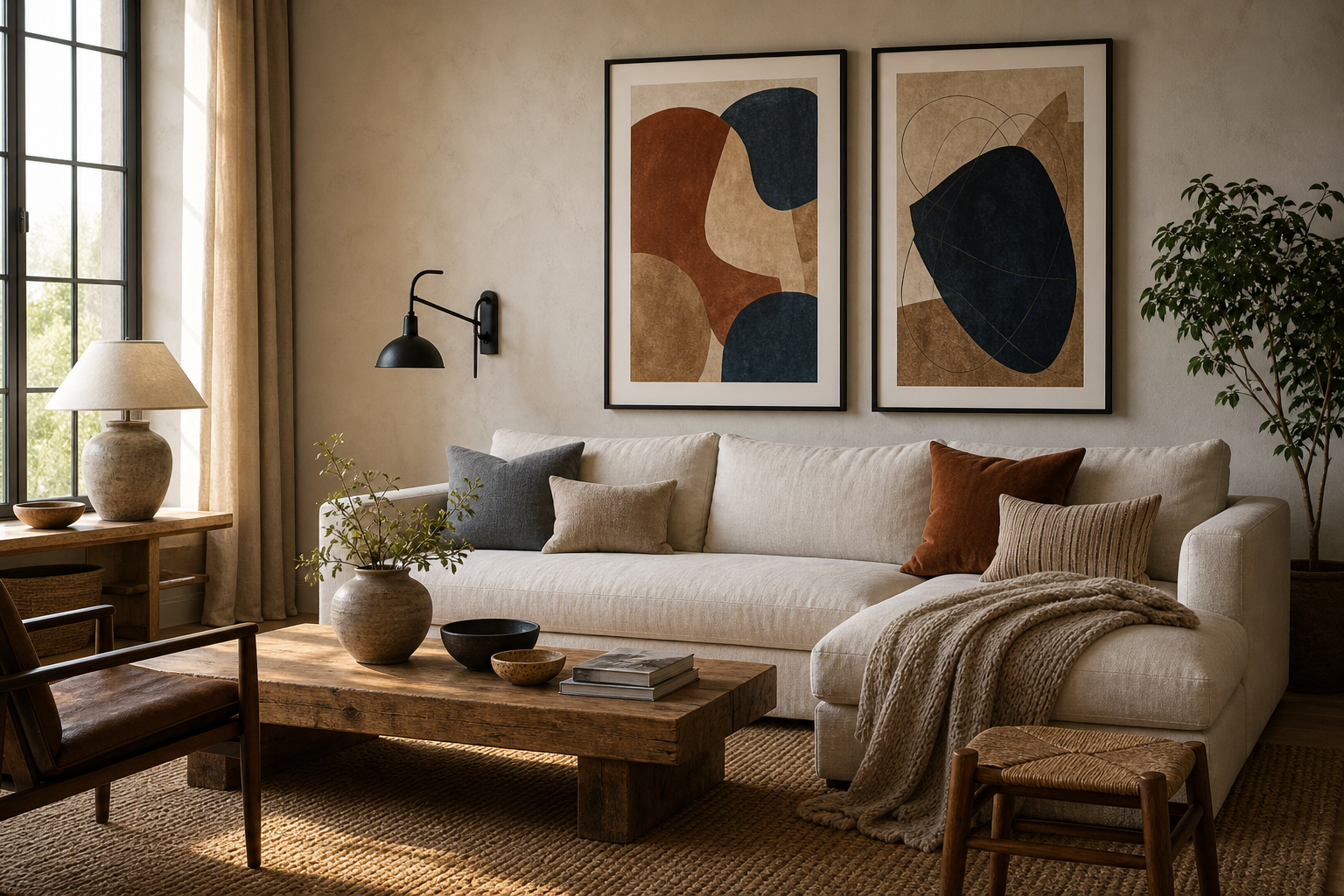
Minimalist for the living room does not mean stripping a space until it feels sterile. The better definition is edited comfort: fewer objects, cleaner sightlines, and pieces that earn their place through function, shape, or emotional value. A room can feel minimal with a deep sofa, a textured rug, and one strong artwork — as long as the composition stays deliberate.
In practical terms, most successful minimalist living rooms rely on visual consistency. That often means limiting the main palette to 3 to 5 tones, repeating one or two materials such as oak and linen, and avoiding small decorative clutter across every surface. If you want a strong starting point, look at our Minimalist collection and Abstract art prints — both work well when you want impact without visual noise.
Start with a Simple Base
A simple base makes every later choice easier. Start with the largest elements first: sofa, rug, coffee table, curtains, and one anchor wall. For a balanced layout, keep at least 75 to 90 cm of walking space around the main seating zone, and choose furniture with visible legs or a lighter profile if the room is under 20 square meters. That small lift off the floor makes the whole room feel more open.
Color matters just as much as furniture shape. Soft whites, warm grays, sand, mushroom, muted taupe, and black accents usually create a steadier minimalist rhythm than bright contrasts on every surface. If the room already has strong architecture, such as large windows or a sharp sectional sofa, use quieter art from our Architecture wall art or Fine Art collection to support the space rather than compete with it.

One useful test is to remove 30% of the accessories you currently have on display. Minimalist rooms rarely need more than three styled surfaces in one view — for example, a coffee table, a console, and one shelf. Everything else can stay quiet.
Choose Art That Adds Quiet Personality
Wall art is what stops minimalism from feeling anonymous. The right piece adds softness, movement, and personality without making the room feel busy. For minimalist for the living room, look for subjects with breathing room: fabric folds, subtle botanicals, monochrome abstraction, architectural lines, or calm seascapes.
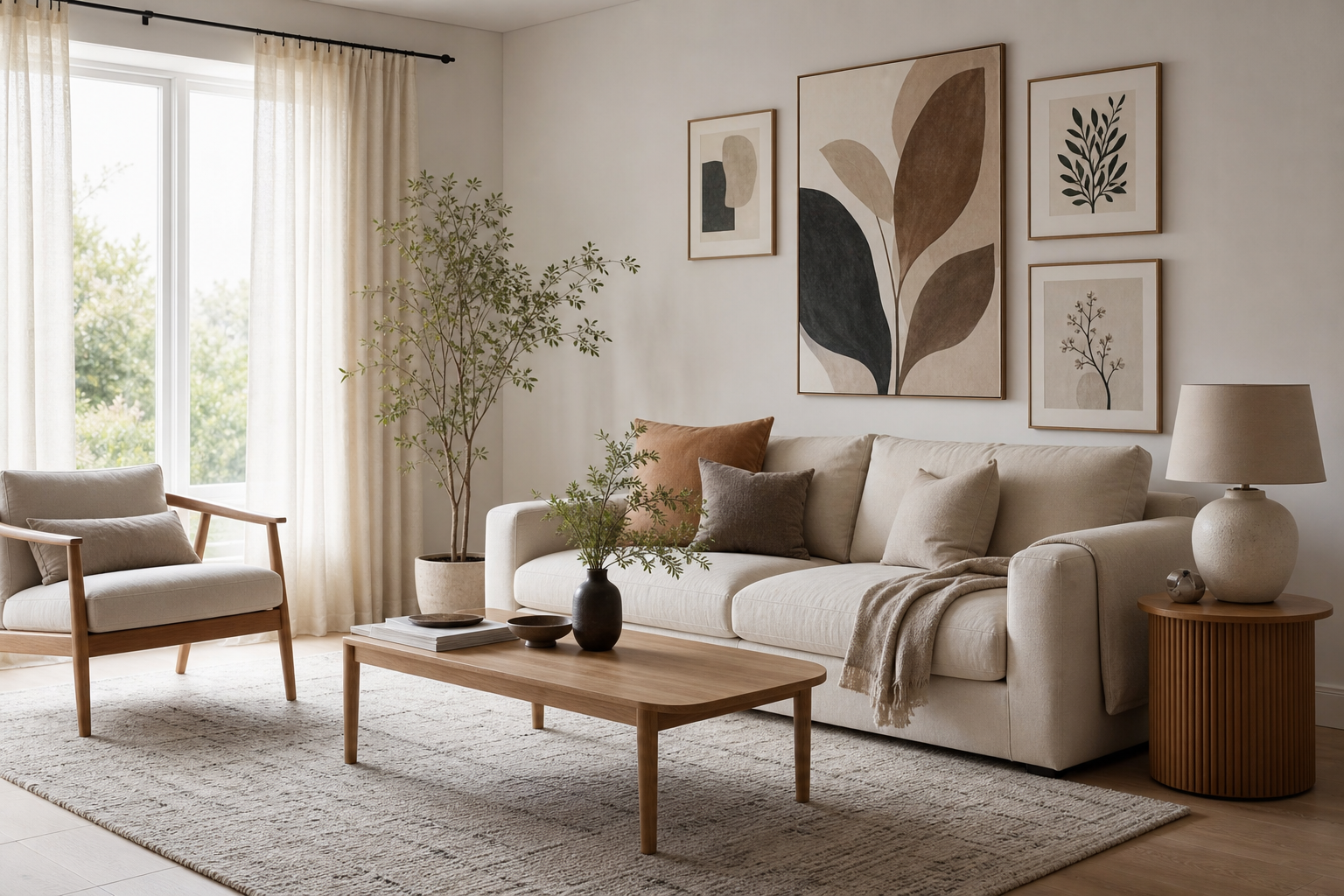
A single oversized print works well when you want a strong focal point. Above a 200 cm sofa, one piece around 70 x 100 cm or 100 x 140 cm creates presence while keeping the wall clean. If your room already has texture from boucle, wool, wood, or stone, quiet tonal artwork often does more than highly detailed imagery.

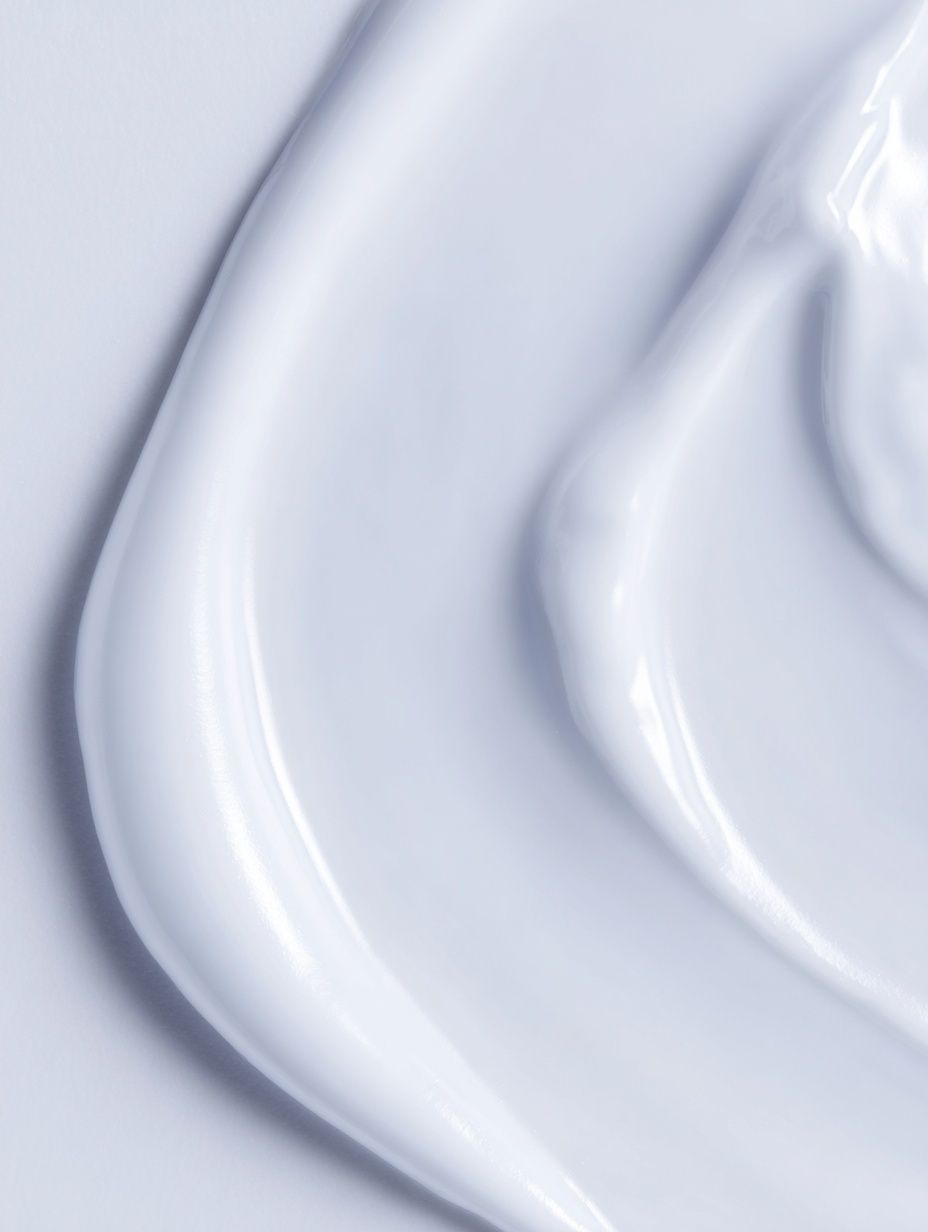
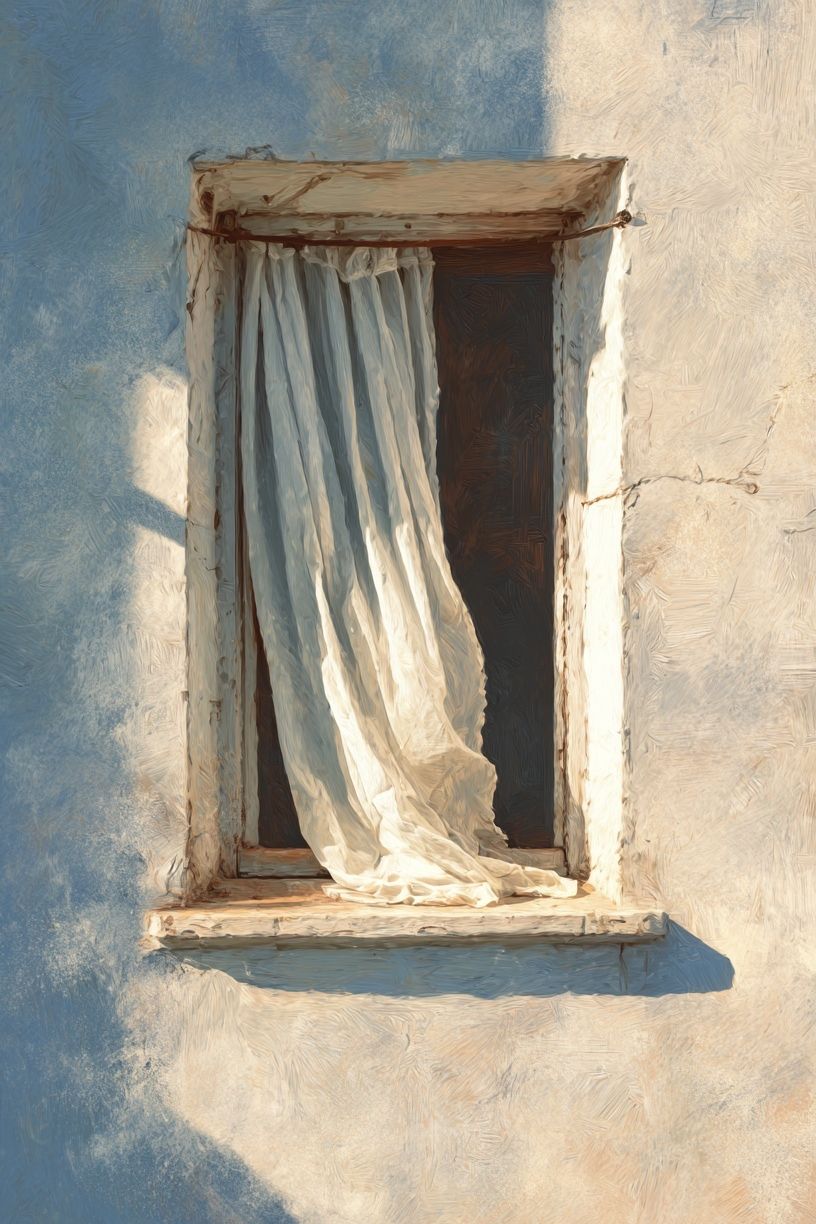
"Elegant White Fabric" is a good example of minimalist art that still feels warm. The subject has movement, but the palette stays restrained — ideal if you want the wall to contribute atmosphere rather than dominate the room. It also pairs naturally with our Elegant White Fabric print if you are building a soft neutral scheme around upholstery, curtains, and plaster tones.
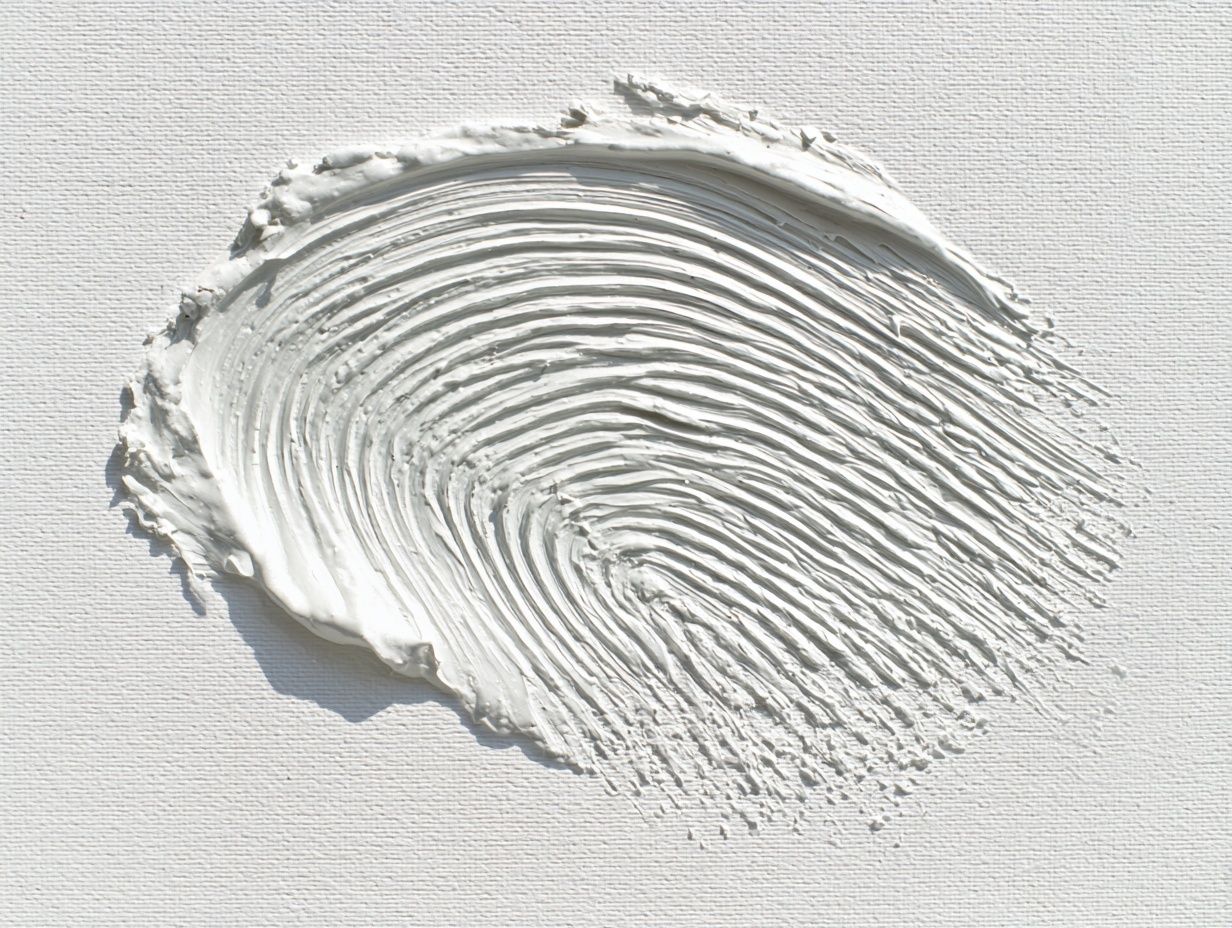
If you prefer a little more material depth, textured designs can hold a room together beautifully. The combination of quiet contrast and tactile surfaces is especially useful in living rooms with straight-lined furniture.

Get the Scale and Placement Right
Even excellent art looks wrong when the sizing is off. The clearest rule is width: artwork above a sofa should span about 60% to 75% of the sofa's width. For a 220 cm sofa, aim for a total art width between 132 and 165 cm. That could be one large piece, two medium frames, or a tidy triptych with even spacing.
Hang the artwork low enough to connect with the furniture. The bottom of the frame should usually sit 15 to 25 cm above the sofa back or console. If you hang it higher, the wall and the furniture begin to feel unrelated. In rooms with high ceilings, resist the urge to chase the height — minimalist spaces look better when the composition feels grounded.

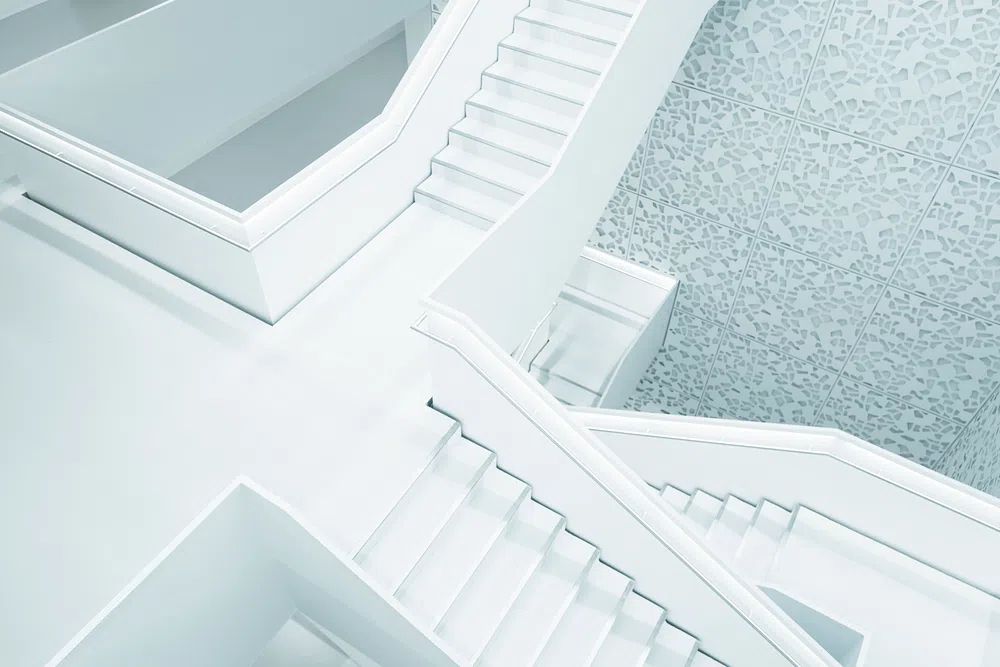
For a more architectural look, pieces with strong line and form can sharpen a room without adding clutter. Our Modern White Staircase print and Modern Minimalist Architecture artwork are strong options when the room needs structure rather than softness.
Gallery walls can still be minimalist, but they need discipline. Limit the palette, keep frame finishes consistent, and use 5 to 7 cm spacing between frames. Two aligned 50 x 70 cm pieces often look calmer than six small prints competing for attention.
Use Texture, Light, and Framing to Warm It Up
Minimalist interiors fail when everything is flat and hard. Texture is what gives the room life. Combine at least three tactile surfaces — for example, matte wall paint, woven fabric, and natural wood. Add one accent material such as brushed metal, smoked glass, or stone for contrast. That mix keeps the room clean but not cold.
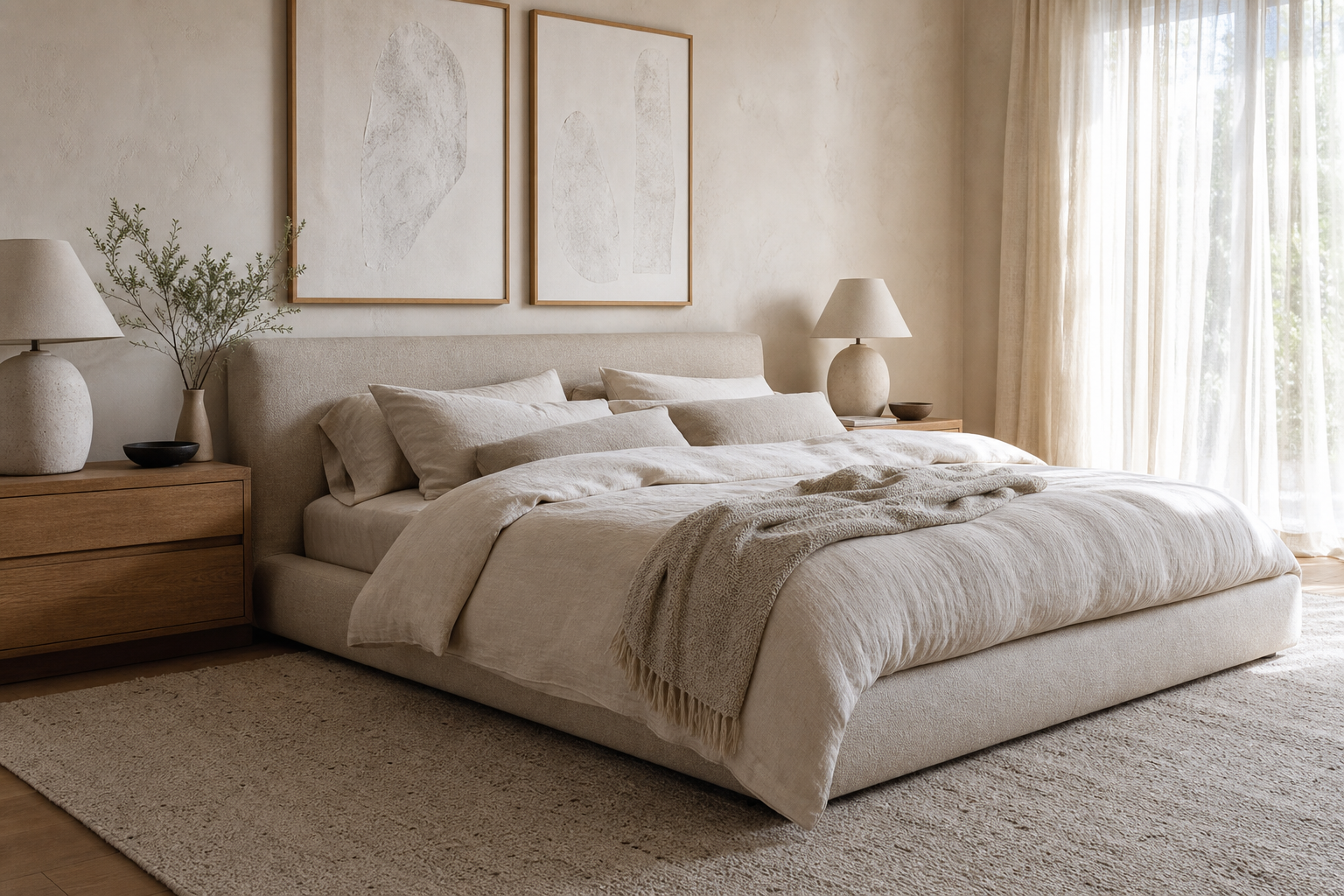
Frames matter more than most people expect. Oak frames soften black-and-white work and help neutral rooms feel relaxed. Thin black frames create crisp definition and suit architecture, line art, and higher-contrast compositions. White frames can work in very light rooms, but they need enough contrast against the wall to avoid disappearing.

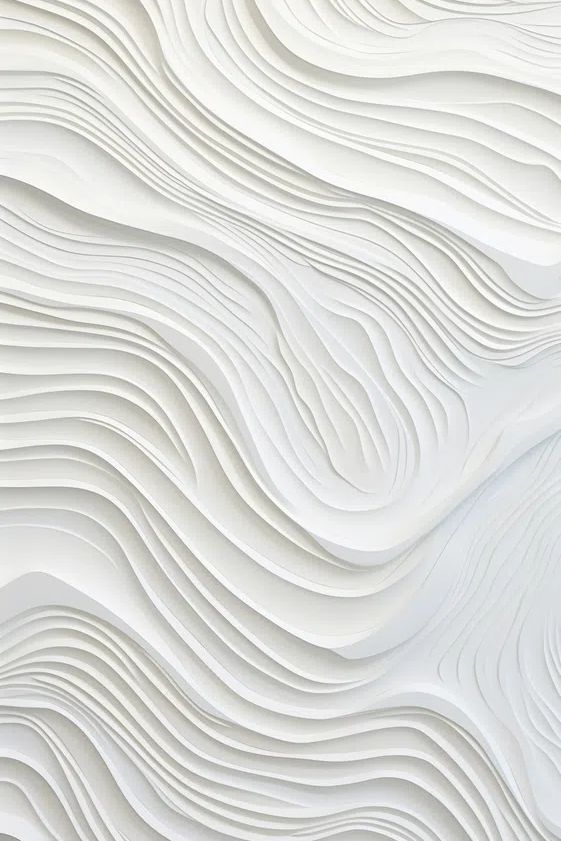
Textured pieces are particularly effective here because they echo the materials in the room. Our Textured Waves minimalist print and White Cream Texture poster work well in spaces with boucle seating, stone tables, or limewashed walls.
Lighting should also stay layered and soft. One ceiling light is rarely enough. Use a floor lamp near the sofa, a table lamp on a sideboard, and daylight-filtering curtains to avoid harsh contrasts. In minimalist for the living room, diffused light does as much as decor to set the mood.
Minimalist Styling Ideas for Different Living Rooms
In a small apartment, scale down the number of pieces but not necessarily the size of the art. One larger print can make a 12 to 15 square meter room feel more composed than several small accents. Keep the palette light, choose a rug that extends at least under the front legs of the sofa, and use closed storage to hide daily clutter. Our Modern Minimalist Living Room print is a useful reference point for this clean, tonal approach.
For family living rooms, minimalism should be durable, not delicate. Choose washable textiles, rounded tables, and art with enough visual calm to handle toys, books, and real daily movement. A framed botanical or abstract piece in beige, gray, or black usually survives changing seasons better than trend-driven color stories.
In open-plan rooms, use art to zone the living area. A wide piece above the sofa helps define the seating area without adding furniture or partitions. If the room needs a calmer edge, browse our Mindfulness prints for subjects that bring stillness without feeling overly decorative.

Finishing Touches: Keep It Edited, Not Empty
The final layer should feel intentional, not sparse. Add one book stack, one ceramic object, a branch or stem arrangement, and a textile with visible weave — then stop. If every corner asks for attention, the room is not minimalist. If the room feels unfinished, the answer is usually texture or scale, not more small decor.
When shopping, prioritize pieces that can work across seasons and furniture changes. Neutral artwork, natural frames, and restrained subjects stay useful longer than highly specific trend items. If you want a dependable starting point, explore our minimalist wall art collection, then mix in one or two pieces from abstract designs or Window with Sheer Curtain print for softness and depth.
Final thoughts
Minimalist for the living room works best when every choice supports calm: fewer objects, stronger proportions, and art that adds atmosphere without demanding constant attention. The goal is not an empty room — it is a room where space, light, texture, and personality are in balance.
Start with the base, choose art with intention, and get the scale right before adding finishing details. When the essentials are right, the room feels cleaner, warmer, and much more personal.
Frequently Asked Questions
What frame color works best in a minimalist living room?
Oak and black are the safest choices. Oak adds warmth to soft neutral rooms, while black gives cleaner definition in spaces with stronger contrast.
Can I use more than one art style in a minimalist room?
Yes — but keep one common thread, such as color palette, frame finish, or subject mood. Mixing texture-based abstract work with architectural pieces often works well.
What size print suits a wall above a 180 cm sofa?
A total width of roughly 108 to 135 cm usually looks balanced. That could be one 70 x 100 cm print or two 50 x 70 cm frames with even spacing.
Should minimalist wall art be centered to the wall or the furniture?
Center it to the furniture in most living rooms. This makes the seating area feel visually connected, even if the wall itself is wider.
How do I keep a minimalist living room from feeling too plain?
Increase material contrast before adding more objects. Linen, wool, oak, ceramic, and softly textured art usually solve the problem faster than extra decor.