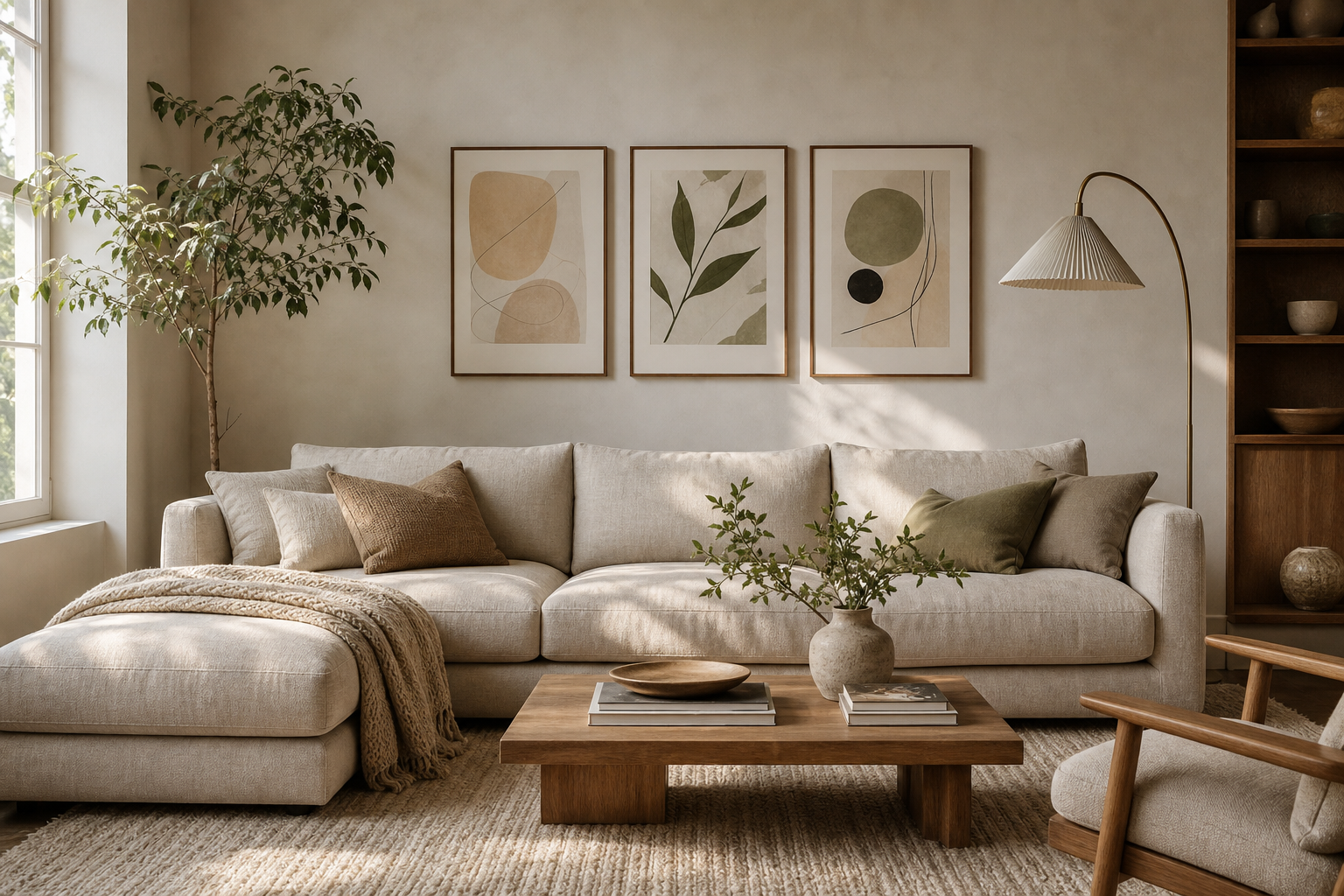
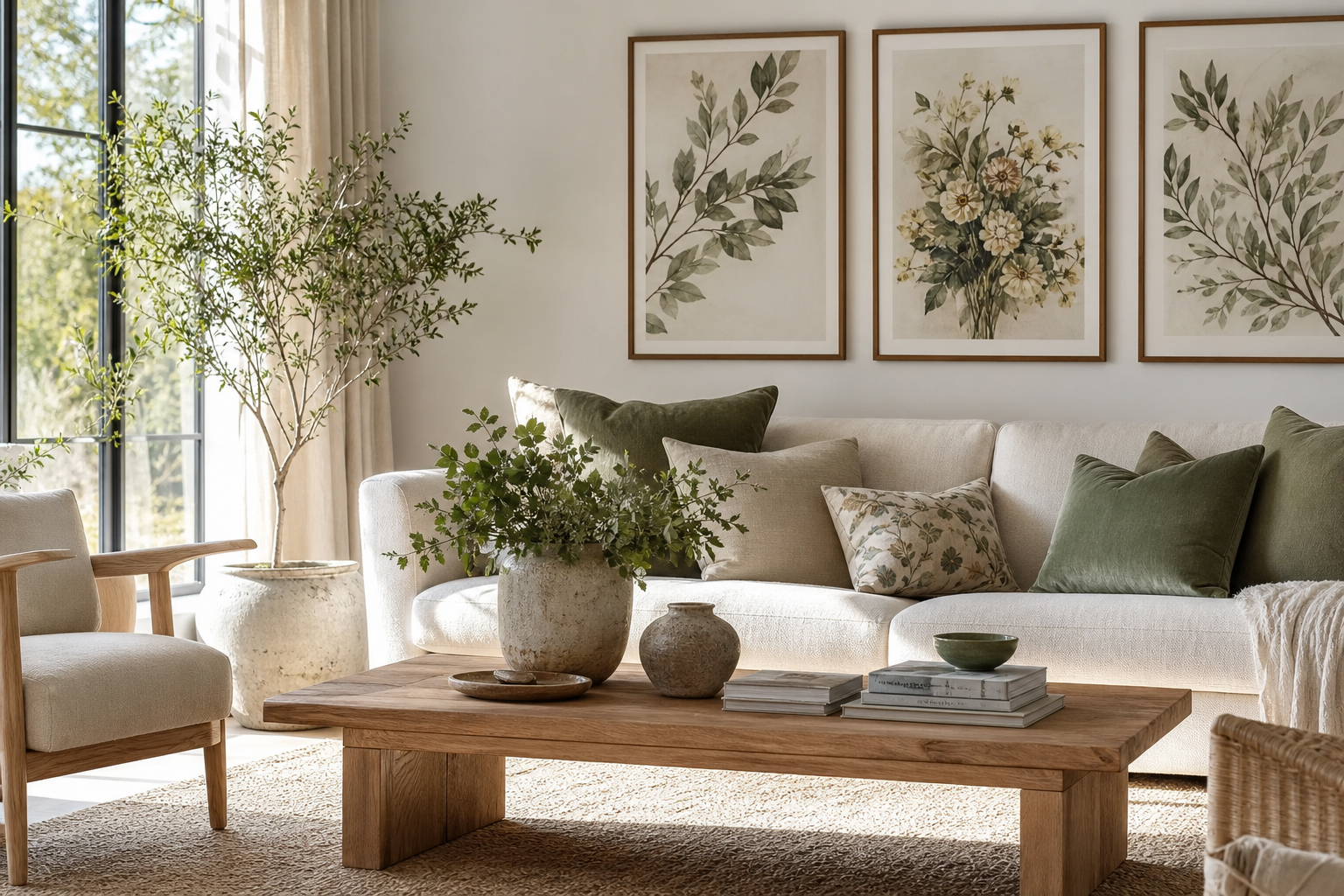
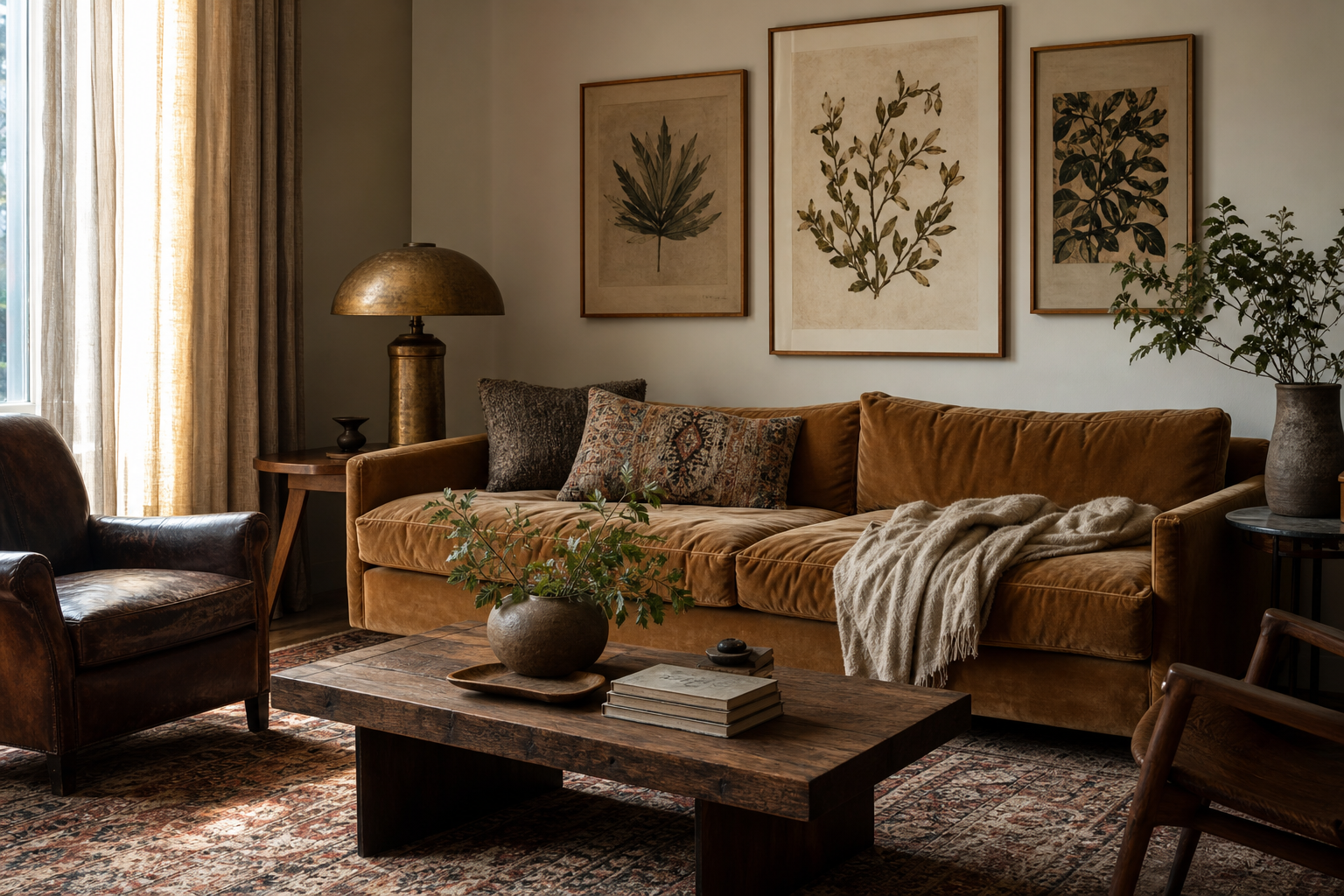
Abstract for the living room works because it gives you freedom without looking random. A landscape or figurative piece often pushes the room toward one obvious theme, while abstract art can support many styles at once — from minimalist wall art to our bohemian collection and even softer fine art-inspired interiors. That flexibility makes it one of the safest ways to add personality to a main shared space.
A living room also asks more from wall art than a hallway or bedroom. It needs to feel considered from several angles, hold up in daylight and evening light, and connect seating, textiles, and storage into one visual story. Good abstract for the living room can soften hard architectural lines, echo the palette in your rug or cushions, and add movement where the furniture feels boxy or still.
Why Abstract Art Works So Well in Living Rooms
Abstract pieces tend to age well because they are interpreted through color, shape, and texture rather than trend-led subject matter. A room may shift from curved bouclé seating to cleaner oak and linen over five years, but a balanced abstract composition usually still fits. That is why many designers start with abstract art prints when building a room meant to last.
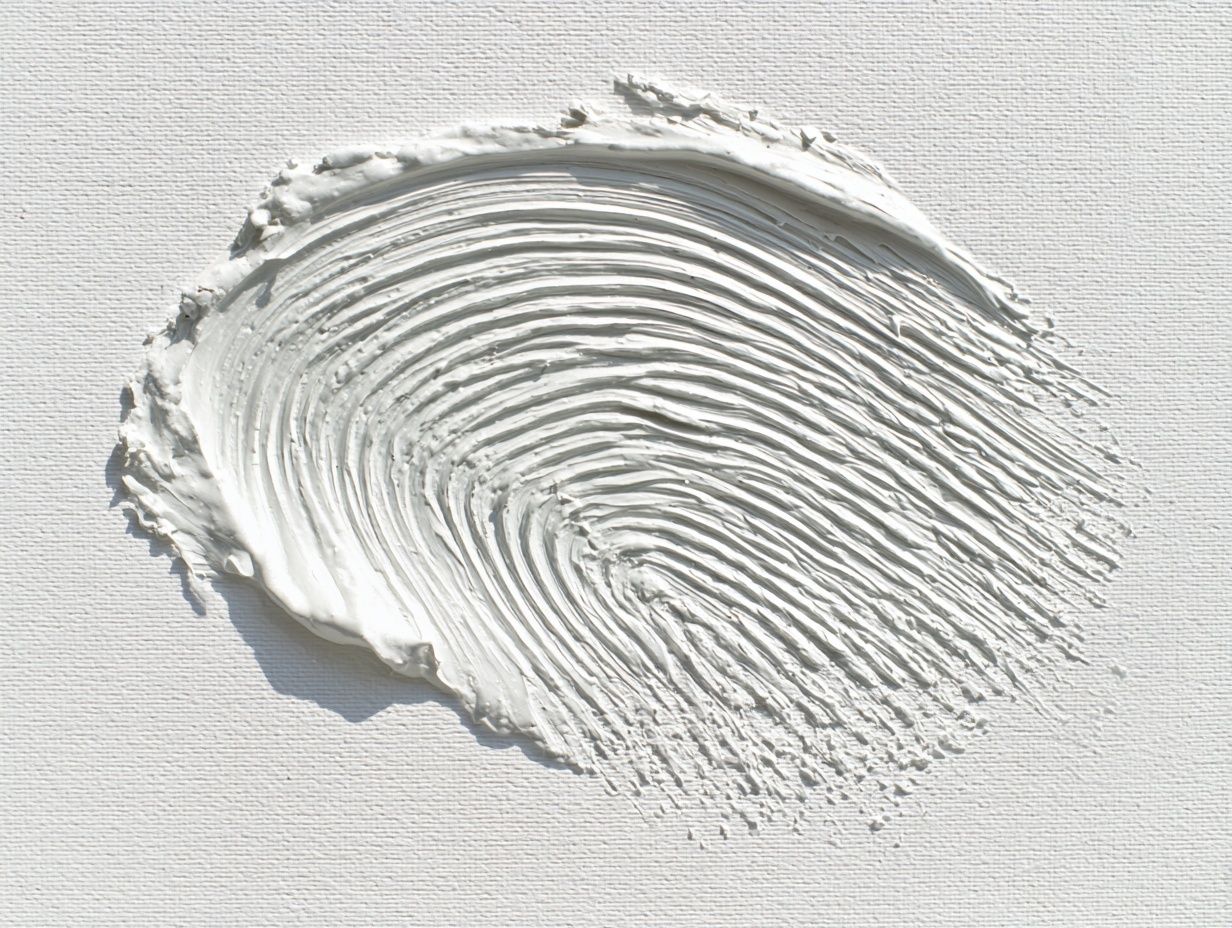
Another strength is that abstract art can either lead or support. A high-contrast piece can become the room's focal point above a 220 cm sofa, while a quieter tonal work can simply unify beige upholstery, walnut wood, and black metal accents. If you want a subtle starting point, something like Textured White Abstract Poster suits rooms where texture matters more than bold color.
Choosing a Color Palette That Matches the Room
The easiest approach is to pull two or three colors already present in the room and repeat them in the artwork. If your living room has a cream sofa, walnut table, and olive accents, choose abstract art with warm neutrals plus one deeper green or brown note. A match rate of roughly 60 to 70% usually feels intentional without becoming too coordinated.
Contrast works just as well when the room feels flat. In a mostly neutral setting, one artwork with teal, rust, or burgundy can create depth fast. The key is to repeat that accent at least twice elsewhere — in a cushion, vase, throw, or book spine — so the wall art does not feel isolated. For example, Yin Yang Teal Abstract Poster can sharpen a soft greige room while still keeping the overall mood calm.

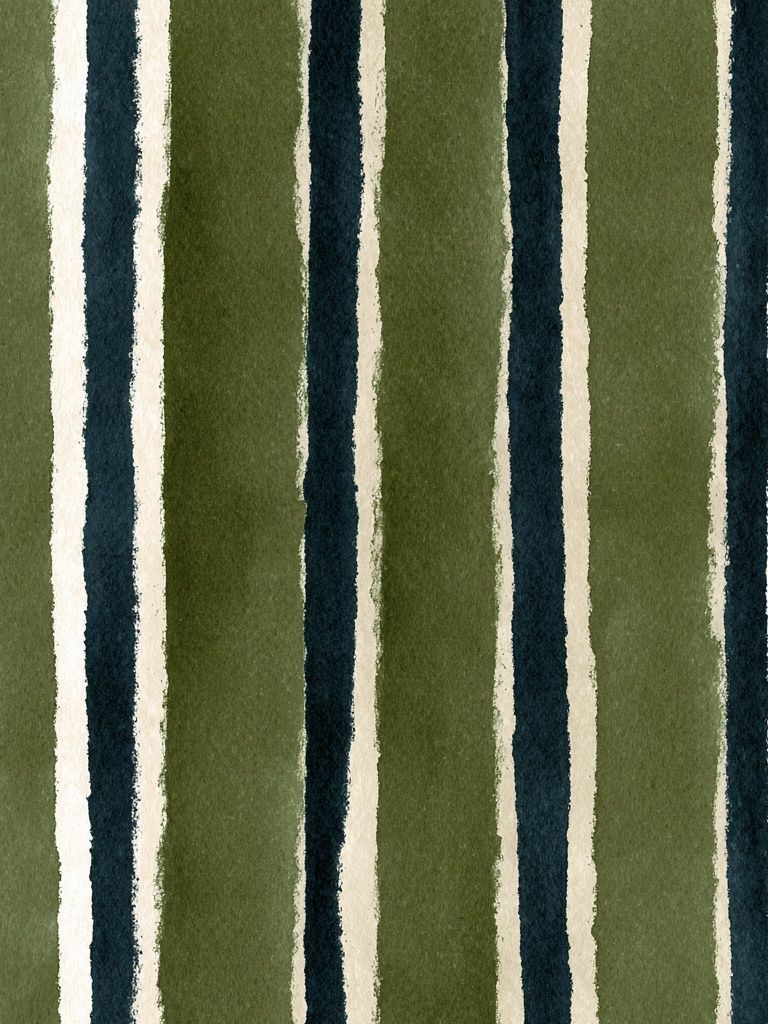
If your room already has pattern — striped rug, veined marble, boucle texture, ribbed wood panels — choose simpler abstract forms with larger blocks of color. If your room is visually quiet, you can be more adventurous with movement and detail, such as Abstract Smoke Patterns Poster or Colorful Stained Glass Abstract Poster.



Getting the Size and Scale Right
Scale is where most living room walls go wrong. Art that is too small makes even a well-furnished room look unfinished. As a rule, artwork above a sofa should span about 60 to 75% of the sofa width. For a 200 cm sofa, that means a combined art width of roughly 120 to 150 cm.
One large statement piece works well when the room already has several competing elements — open shelving, patterned rug, floor lamp, side chair. A single oversized abstract print gives the eye one clear resting point. Two matching or related pieces suit longer walls and create a more architectural rhythm. A four-piece arrangement can work too, but only if the spacing is tight and the overall shape reads as one unit.
Leave 15 to 25 cm between the top of the sofa and the bottom of the frame. For multi-piece layouts, keep gaps consistent — usually 5 to 8 cm for smaller frames, 8 to 12 cm for larger ones. If you like a more structured arrangement, pair works with related energy, such as Textured Waves — Abstract Print and Power Lines Abstract Poster.

Where to Hang Abstract Art for the Best Impact
Above the sofa is the classic position because it anchors the largest furniture piece in the room. Center the composition to the sofa — not the whole wall — unless the sofa itself is intentionally offset by architecture. In most homes, art hung at eye level means the center sits around 145 to 150 cm from the floor, then adjust slightly depending on ceiling height and furniture.
Above a fireplace, choose calmer compositions with enough visual weight to balance the mantel. If your fireplace surround is detailed stone or ornate wood, avoid hyper-busy imagery. On sideboards and consoles, abstract art can be leaned rather than hung, especially in more relaxed rooms. That approach works well with layered objects like lamps, books, and ceramics.
In open-plan spaces, abstract art can also zone the living area. A large piece behind the sofa visually marks the seating area, especially when the dining room or kitchen shares the same sightline. In homes influenced by Modern Minimalist Living Room Poster or Japandi Interior Living Space Print, abstract work helps keep the room defined without adding visual clutter.

Framing, Materials, and Finish Choices
Frame choice changes the attitude of the art immediately. Thin black frames feel sharper and more contemporary. Oak frames warm up cooler palettes and work especially well with cream, sand, clay, and sage interiors. White frames can disappear on a pale wall, which is useful if you want the composition to feel airy rather than graphic.
Material and finish matter just as much. Smooth paper with crisp printing suits geometric or high-contrast works. Textured surfaces pair better with painterly forms, plaster walls, boucle upholstery, and natural woods. If your room already has lots of gloss — glass tables, lacquer finishes, metal accents — matte artwork often creates better balance.

Pieces such as Blush Watercolor Abstract Poster feel softer in oak or light wood frames, while stronger directional works can handle black framing. If you want a room to feel polished but not cold, mix clean framing with tactile materials elsewhere — wool rug, travertine table, linen sofa, brushed brass lamp.

Styling Ideas for Different Living Room Moods
For a calm room, stay within a tight palette of warm white, beige, stone, taupe, and muted grey. Choose abstract pieces with low contrast and visible texture rather than sharp graphic edges. This direction sits naturally beside mindfulness-inspired prints and pared-back minimalist art styles.
For a modern room, use stronger contrast and cleaner geometry. Black accents, sculptural lighting, and straight-lined furniture can handle bolder compositions with defined shapes or directional movement. Radiant Light Burst — Abstract Print would suit a room with darker woods, smoked glass, and a tailored sofa.
For an eclectic or warmer space, bring in pieces that echo textile tones and layered surfaces. Rust, terracotta, ochre, olive, muted pink, and deep red all connect well with timber, woven materials, and vintage-style furniture. If your room already leans soft and earthy, borrowing ideas from Ceramic Vases with Dried Branches — Bohemian Print or bohemian art prints can help your abstract choices feel more grounded and collected.

Final Tips for Choosing Abstract Art You’ll Love Long-Term
Start with the room you have, not the one you imagine changing every season. Look at your largest fixed elements first — sofa color, rug pattern, flooring tone, curtain fabric, wall color. The best abstract for the living room usually connects to those foundations rather than chasing a short-lived accent color.
Buy with enough confidence to choose what you want to keep seeing. If a piece still feels right after you have looked at it morning and evening, from the sofa and from the doorway, that is a strong sign. Timeless choices are usually about balance: enough personality to stand out, enough flexibility to live through future furniture swaps and styling changes.
Putting it together
A successful living room wall does not need to be complicated. Get three things right — palette, scale, and placement — and abstract art will do a lot of the design work for you. Whether you prefer tonal quiet pieces or bolder compositions, abstract for the living room gives you room to refine the space without locking it into one theme.
If you want a reliable starting point, begin with one piece that matches your room's dominant tones, hang it at the correct height, and assess the balance from across the room. From there, adding a second piece, changing the frame finish, or repeating one color in textiles becomes much easier.
Frequently Asked Questions
What frame size works best for a standard living room?
For most walls above a 180 to 220 cm sofa, medium to large formats work best. Aim for the total artwork width to cover around 60 to 75% of the sofa width.
Should abstract art match the sofa exactly?
No. It should relate to the sofa and room palette, but exact color matching can look flat. A shared undertone or one repeated accent color is usually enough.
Can I mix abstract art with photography in the same living room?
Yes, if they share a similar palette or frame finish. Keep one style dominant and let the second style act as support, not competition.
Is matte or glossy finish better in a living room?
Matte usually works better because it reduces glare from windows and lamps. It also tends to look more refined in relaxed, design-led interiors.
How do I test placement before hanging?
Use painter's tape to mark the frame outline on the wall, or tape paper templates in place. Check the view from the sofa, entry point, and any adjacent dining area before fixing hooks.