Why kids’ bedroom art matters
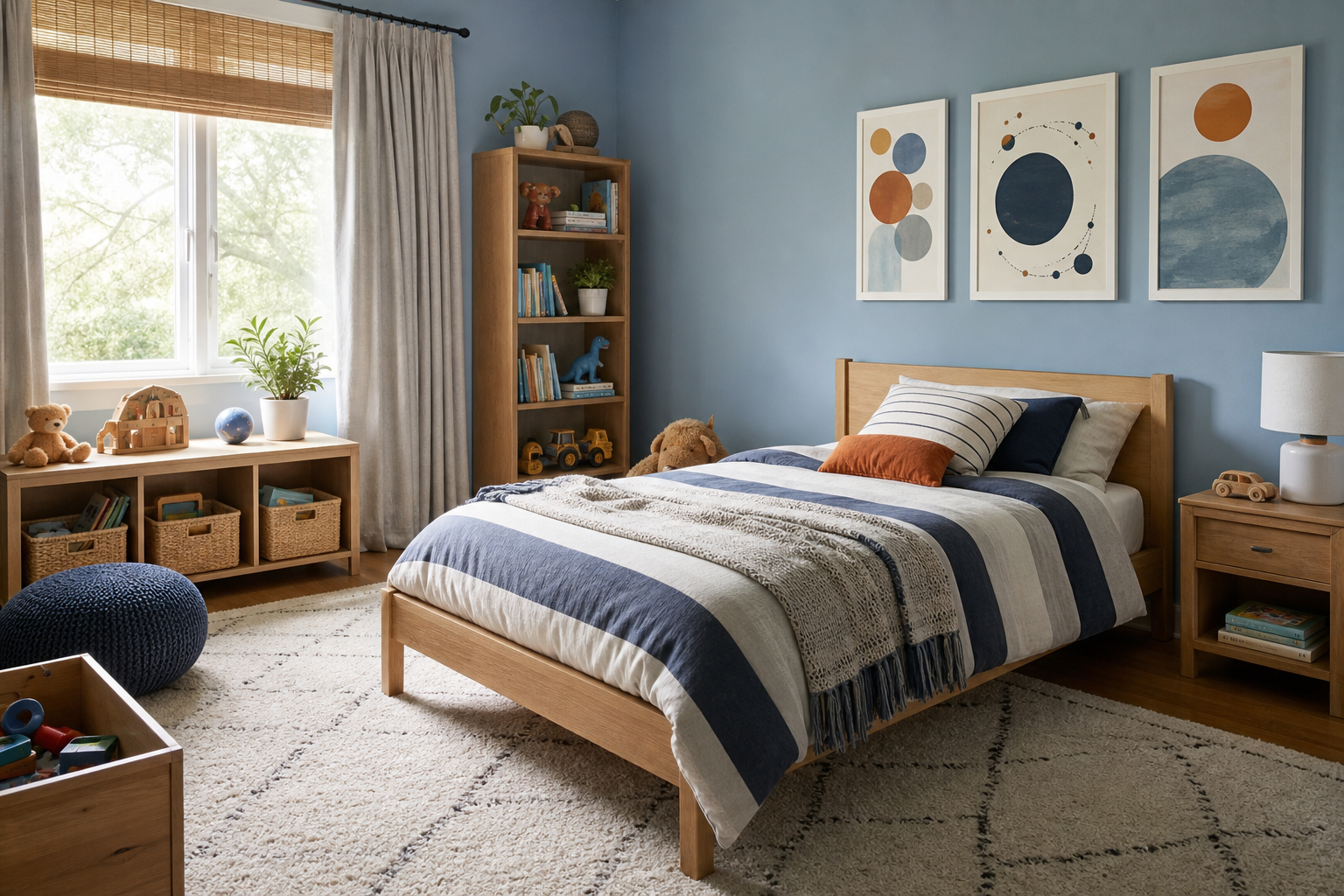
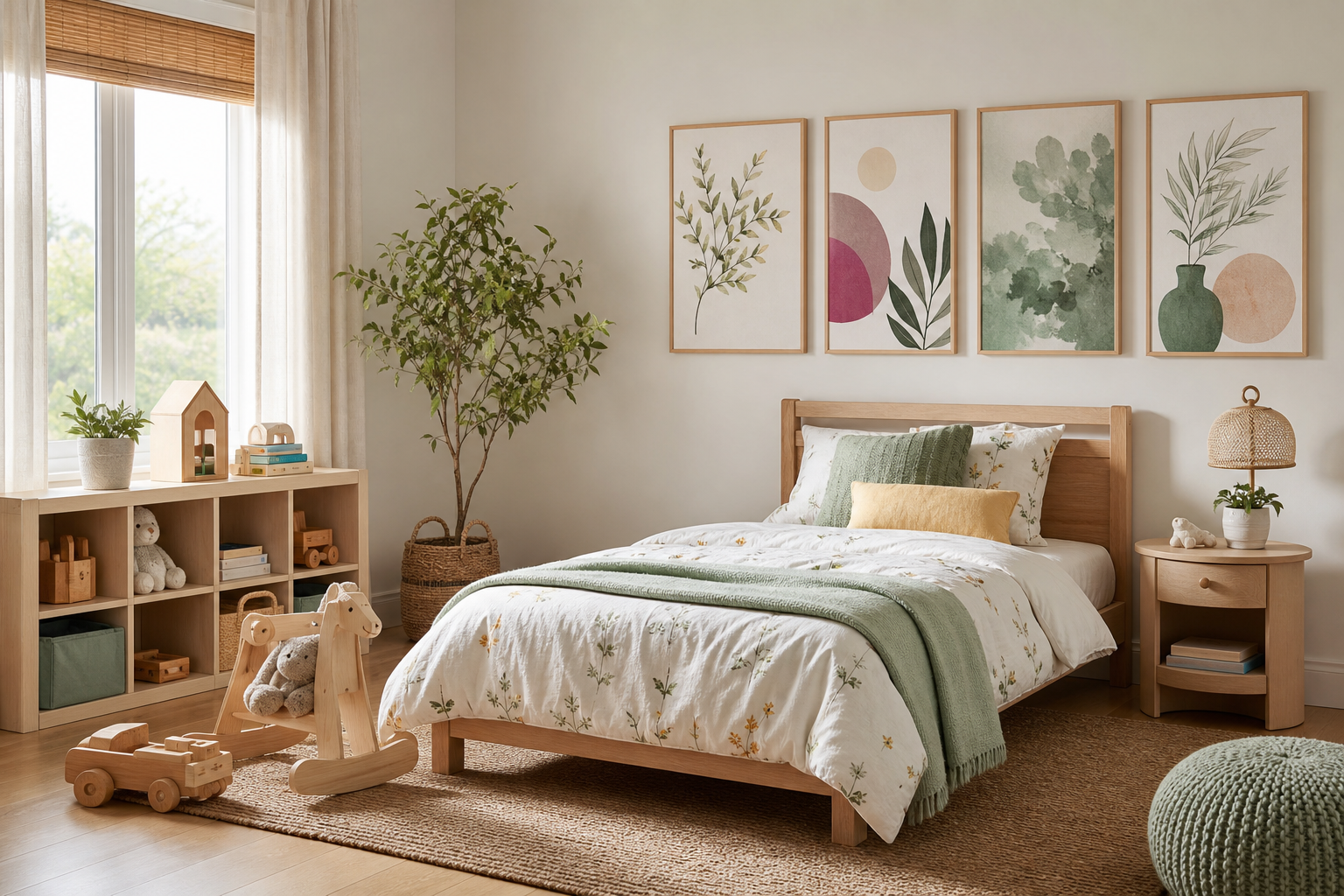
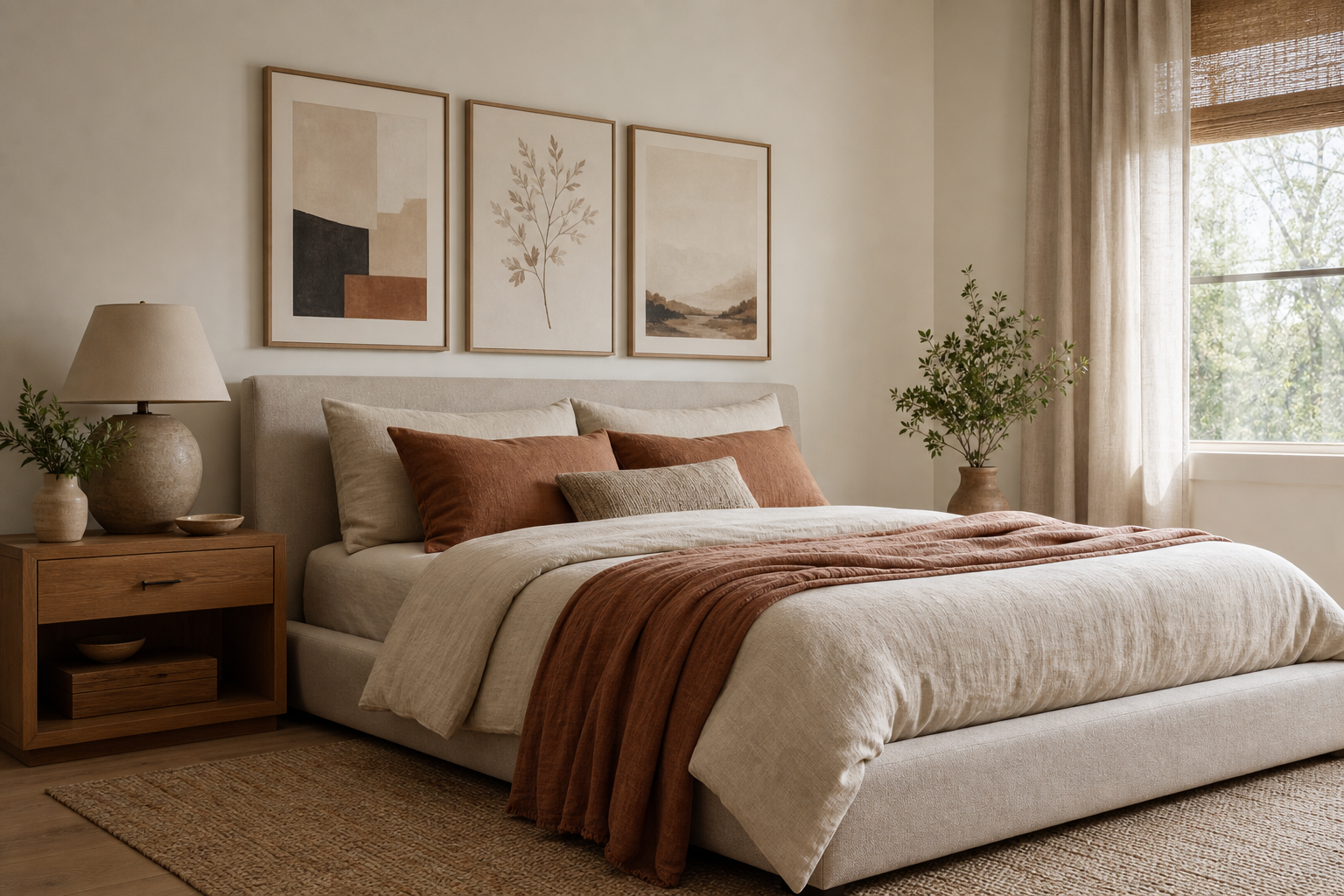
Wall art gives a child’s room a clear identity faster than almost any other element. Bedding gets replaced, toys move around, and storage changes as they grow, but a few well-chosen prints make the room feel finished from day one. For kids for the bedroom, art works best when it adds personality without making every wall busy. One to three framed pieces above the bed or dresser is often enough to shape the whole space.
Art also helps a bedroom feel like their room rather than a leftover box of furniture. Younger children often respond to recognisable subjects — animals, boats, moons, smiling characters — while older kids usually prefer something less babyish and more expressive. That is why flexible themes from our Kids collection and illustration art prints tend to last longer than ultra-specific trend motifs.
A strong children’s room usually balances playfulness with visual calm. If the walls, bedding, curtains, and storage all compete, the room can feel restless by evening. Art is the cleaner way to introduce fun because it keeps colour and character contained in a defined frame.

Choosing themes that last beyond one phase
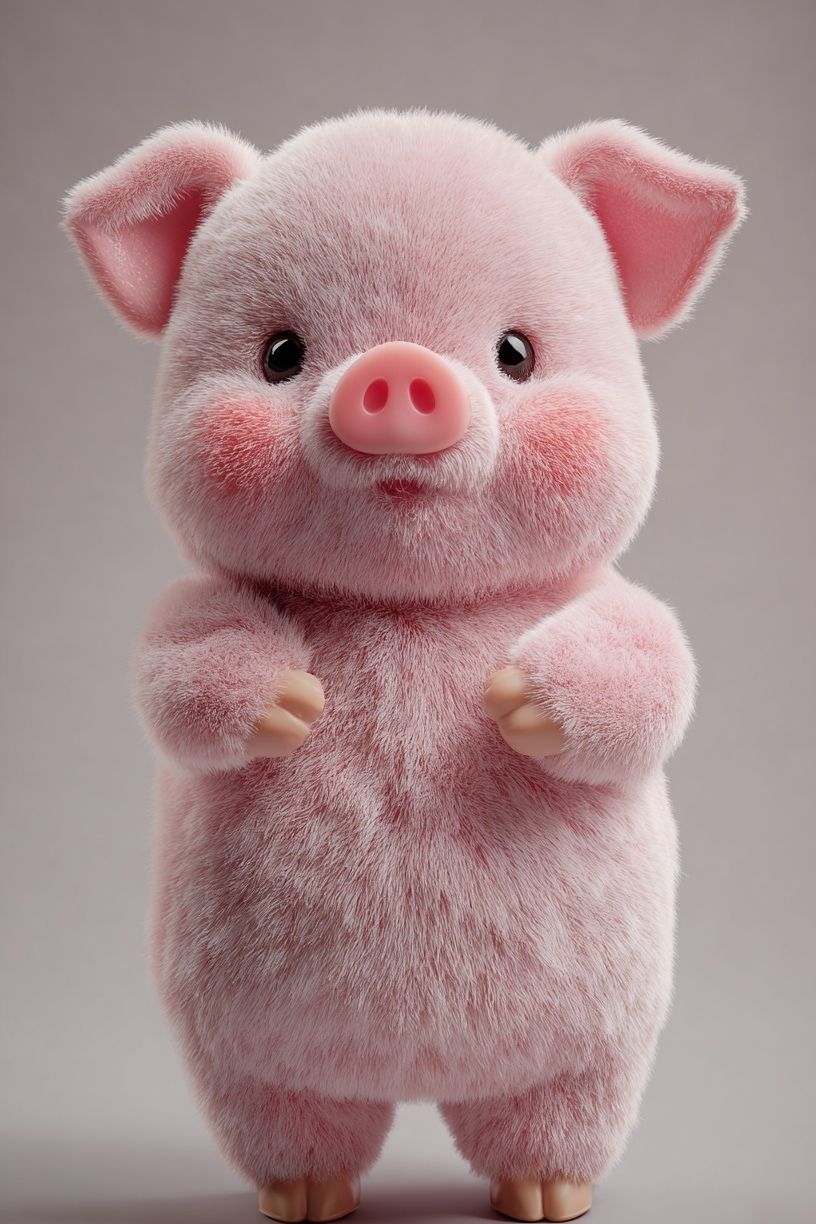
The safest long-term themes are the ones that feel imaginative rather than age-locked. Animals are the easiest example. A zebra, turtle, bird, or penguin can work for a toddler, a six-year-old, and even a pre-teen when the styling is simple enough. Nature themes also age well — trees, stars, skies, birds, and water-based scenes feel decorative instead of overly juvenile.
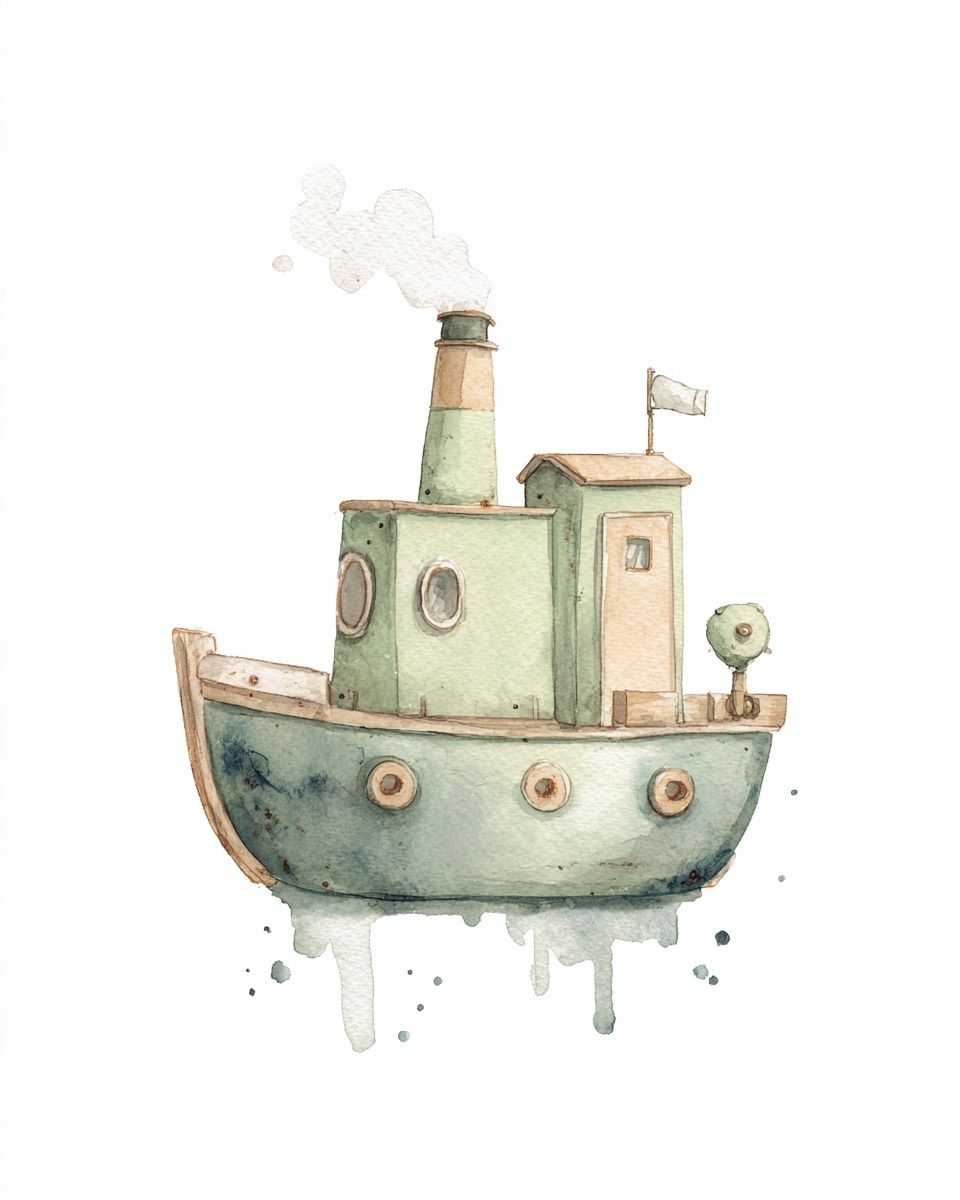
Transport is another smart middle ground. Boats, tugboats, and travel-inspired pieces feel playful now, but they do not force the room into a cartoon-only look later. If you want a room that can adapt with just a bedding swap, look for subjects with broad appeal such as Whimsical Tugboat Watercolor or gentle nature-led prints from our Minimalist collection.

If you prefer colour-led decorating, choose prints where the subject matters less than the palette. Dusty blue, terracotta, muted yellow, sage, and soft coral are easier to keep for 5 to 8 years than neon-heavy schemes. A piece like Yellow Bird — Illustration Print adds brightness without locking the room into a theme that will date quickly.


Picking the right size and layout
Size matters more than people expect. Above a child’s bed, art should usually span around 50% to 70% of the bed width. Over a 90 cm single bed, that means a total art width of roughly 45 to 65 cm for one piece, or 60 to 80 cm across a small pair or trio. Anything narrower can look accidental; anything much wider than the bed can dominate the room.
Above a desk or dresser, keep the artwork slightly narrower than the furniture below. A 60 cm wide desk looks balanced with one 40 x 50 cm frame or two smaller 21 x 30 cm prints. Gallery walls are best when the furniture beneath them is simple and low. If the room already has colourful bedding, patterned curtains, and open toy storage, a single statement print is often the stronger choice.
For younger children’s rooms, hang the centre of the arrangement lower than you would in a living room. Around 120 to 140 cm from the floor to the centre works well because the art sits in their field of view rather than floating too high. Just keep frames at least 15 to 20 cm above a headboard or shelf so the composition still breathes.

Colours, styles, and mood for a calmer room
A child’s bedroom should still help them wind down. The easiest way to do that is to let the art carry the fun while the larger surfaces stay quieter. If the walls are off-white, pale greige, soft sage, or warm beige, you can bring in cheerful prints without the room feeling overstimulating at bedtime.
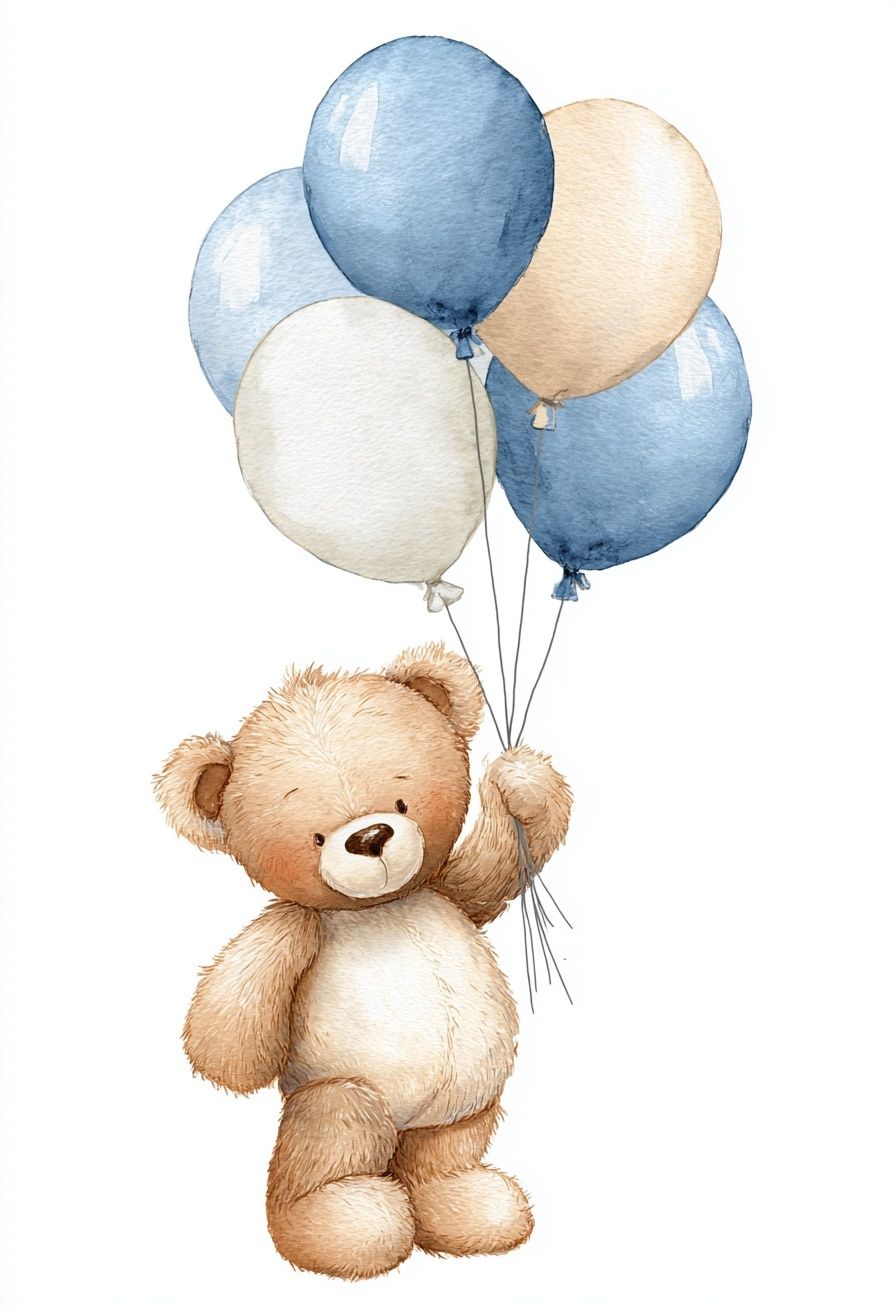
Muted tones are particularly useful in shared rooms or smaller bedrooms under 10 square metres. A soft blue-and-cream print, a warm animal illustration, or a minimal night-sky design introduces character without visual noise. If you want a brighter room, keep the palette limited to two or three repeated accents — for example mustard, dusty blue, and rust — across art, cushions, and one rug.

Minimal styles often age best because they leave room for changing tastes. A print such as Soap Bubbles Minimalist Print keeps a playful subject but presents it in a cleaner way. That balance is ideal for kids for the bedroom when you want the room to feel fun at four and still stylish at nine.
Framing, safety, and easy updates
Frames should look good, but they also need to be practical. Lightweight wood or acrylic-front frames are easier to handle than heavy glass in children’s spaces, especially above beds. Oak, white, and soft black frames are the easiest finishes to reuse as the room changes. If you want maximum flexibility, stick to one frame colour throughout the room and change the prints when interests shift.
For hanging, removable strips can work for smaller frames, but anything medium-sized should be fixed more securely. In active rooms, avoid placing large frames directly above a pillow if the frame is heavy. Picture ledges are another useful option because they let you rotate artwork in under five minutes — ideal when a child suddenly switches from animals to stars, or from storybook scenes to cleaner graphic prints.
Durability matters too. Prints with softer backgrounds tend to hide small marks and dust better than bright white-heavy designs. If the room gets strong daylight, rotate the most colourful pieces every 6 to 12 months to reduce uneven fading. This is also a simple way to refresh the room without repainting.
How to style kids’ bedroom posters with the rest of the room
The room feels cohesive when the art repeats something already present. That could be a colour from the bedding, the curve of a lamp, the wood tone of a shelf, or the soft shape of a rug. If the room has natural wood furniture and woven baskets, choose warmer illustrations and gentler tones. If it has white furniture and cleaner lines, simpler graphic prints tend to sit better.
A reliable formula is 60% calm base, 30% supporting colour, 10% playful accent. In practice, that could mean off-white walls and oak furniture as the base, sage bedding and a rug as the secondary layer, and yellow or rust details in the artwork as the accent. This keeps the room cheerful without letting every item shout at once.

Try to echo the subject in small, subtle ways rather than matching everything literally. If you choose Cute Ducklings with Flowers or Little Girl and Elephant — Watercolor Print, repeat the softness through rounded lamps, fabric storage bins, and lighter textiles. If you pick something more graphic from our minimal wall art selection, cleaner bedding and simpler shelving will make the composition look intentional.
You can also build a small gallery wall around one anchor piece. Start with one medium print, then add two smaller ones with 5 to 8 cm spacing between frames. Keep at least one common thread — colour, subject, or illustration style — so the grouping reads as one set rather than random additions. For a more story-led arrangement, our Guitar Girl and Cats Illustration Poster or pieces from the wider children's art range can work well when paired with simpler companions.
Final tips for choosing kids for the bedroom
The best kids for the bedroom choices are the ones that feel current for your child but not locked to a single age. Start with one versatile theme, keep the palette controlled, and size the art properly for the wall. If the room already has enough colour in textiles and toys, choose calmer prints. If the furniture is very plain, let the wall art do more of the expressive work.
Think in layers rather than one perfect finished scheme. A sturdy frame, a flexible subject, and artwork that connects with the room’s colours will carry the space much further than trend-led decor. When tastes change, swapping one or two prints is far easier than changing the whole room.
Frequently Asked Questions
What frame size works best for a small kids' bedroom?
For compact rooms, 21 x 30 cm and 30 x 40 cm frames are the easiest to place without crowding the wall. Use one medium frame or a pair rather than a large, heavy arrangement.
Should kids' bedroom art match the bedding exactly?
No — it should relate, not match exactly. Repeating one or two colours is enough to make the room feel coordinated.
Are picture ledges better than hanging frames directly?
Picture ledges are ideal if you like to update the room often. They make seasonal swaps and age changes much easier, especially in rental homes.
What type of artwork works in a shared kids' room?
Choose broad themes such as animals, stars, nature, or transport in softer colours. They feel fair to both children and keep the room visually balanced.
How many prints should go above a child's bed?
Usually one statement piece or two to three smaller frames are enough. More than that can make the wall feel crowded, especially above a single bed.