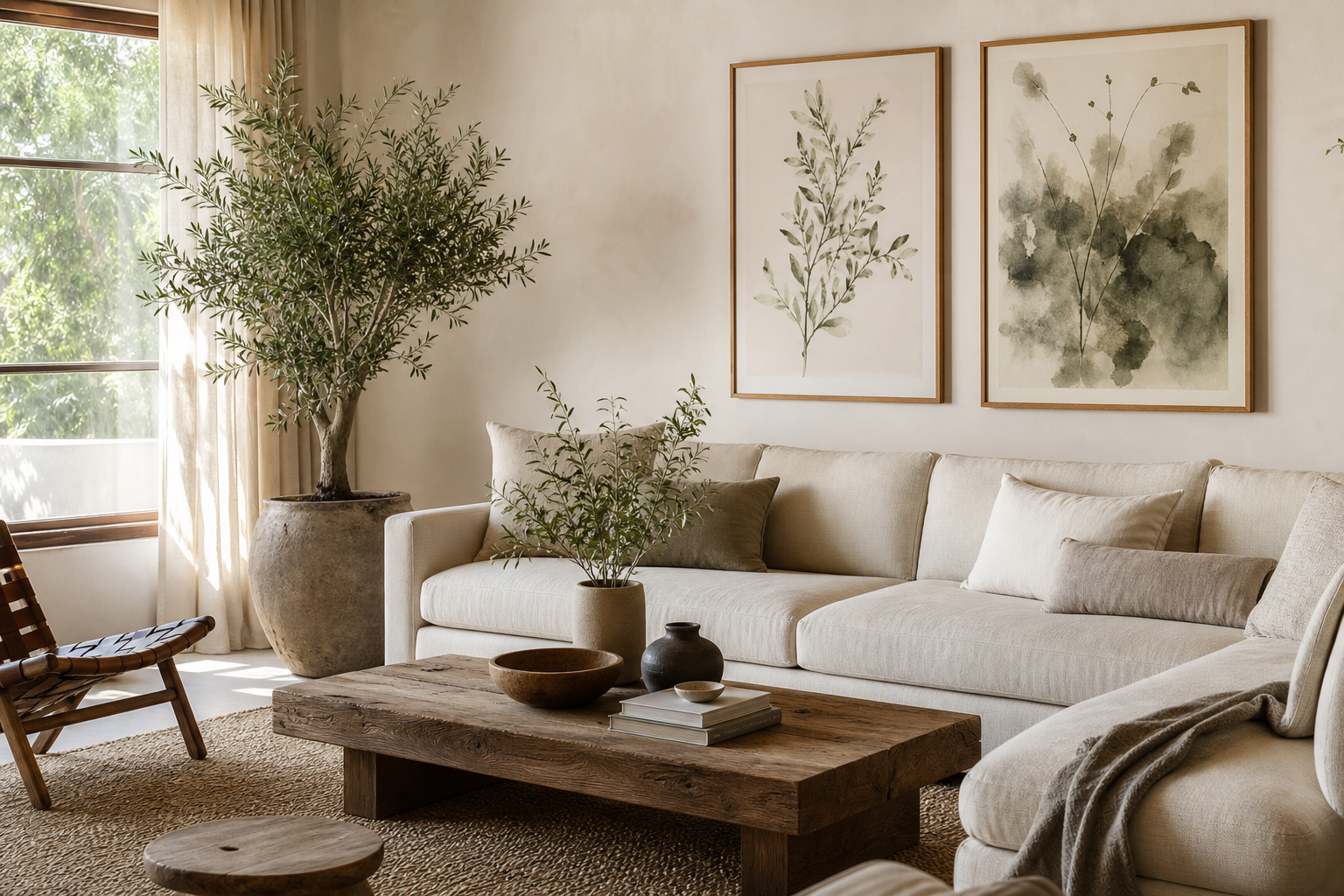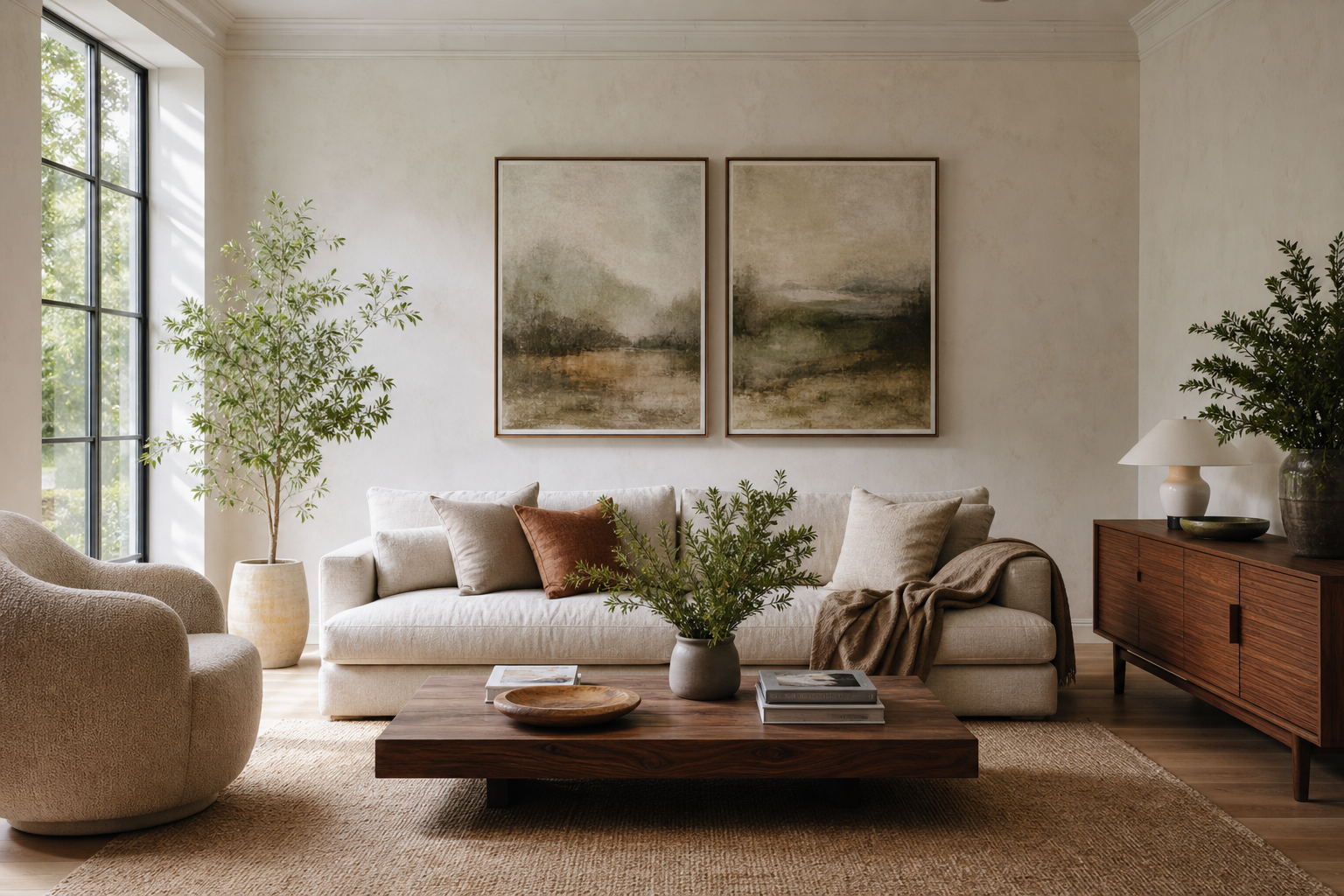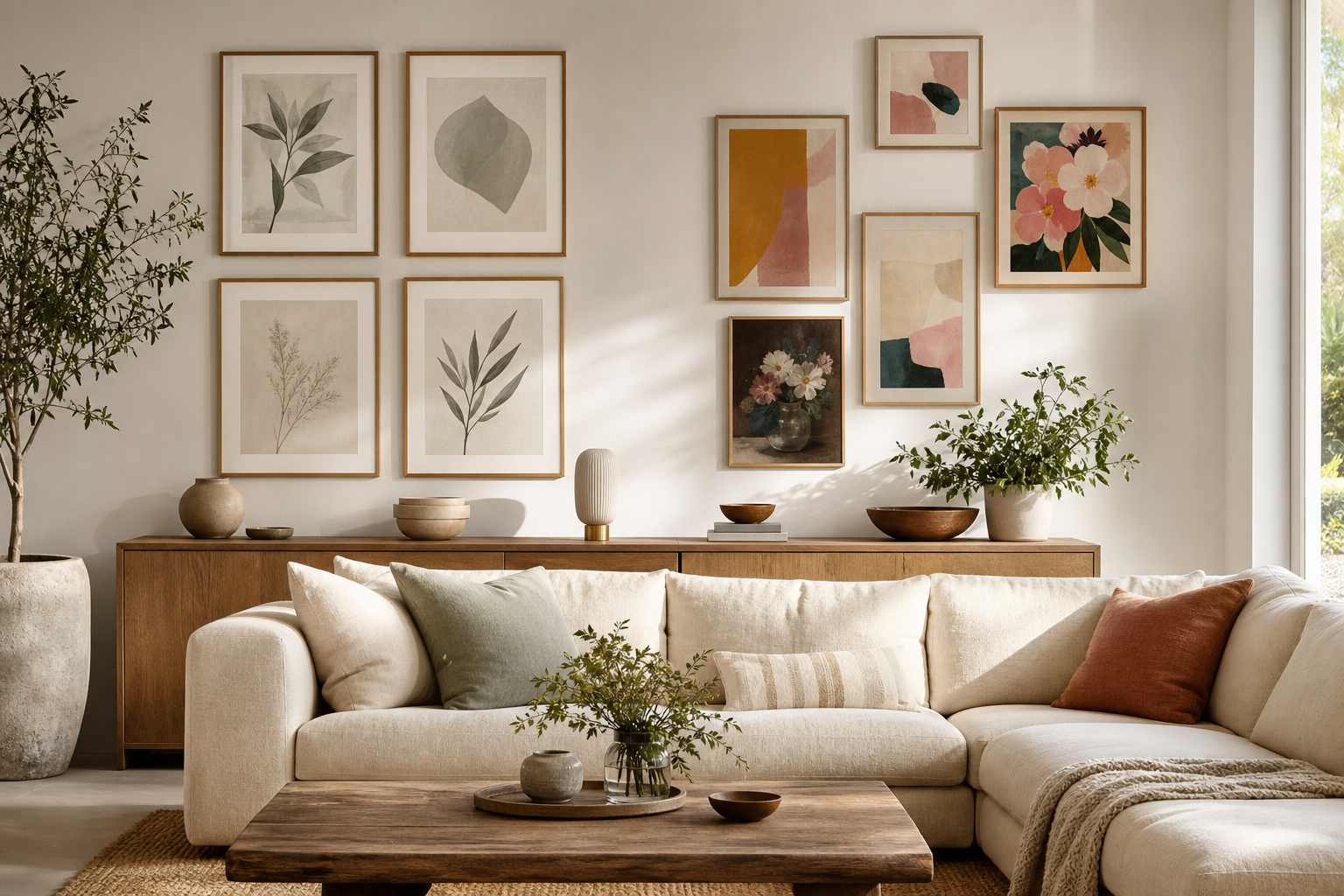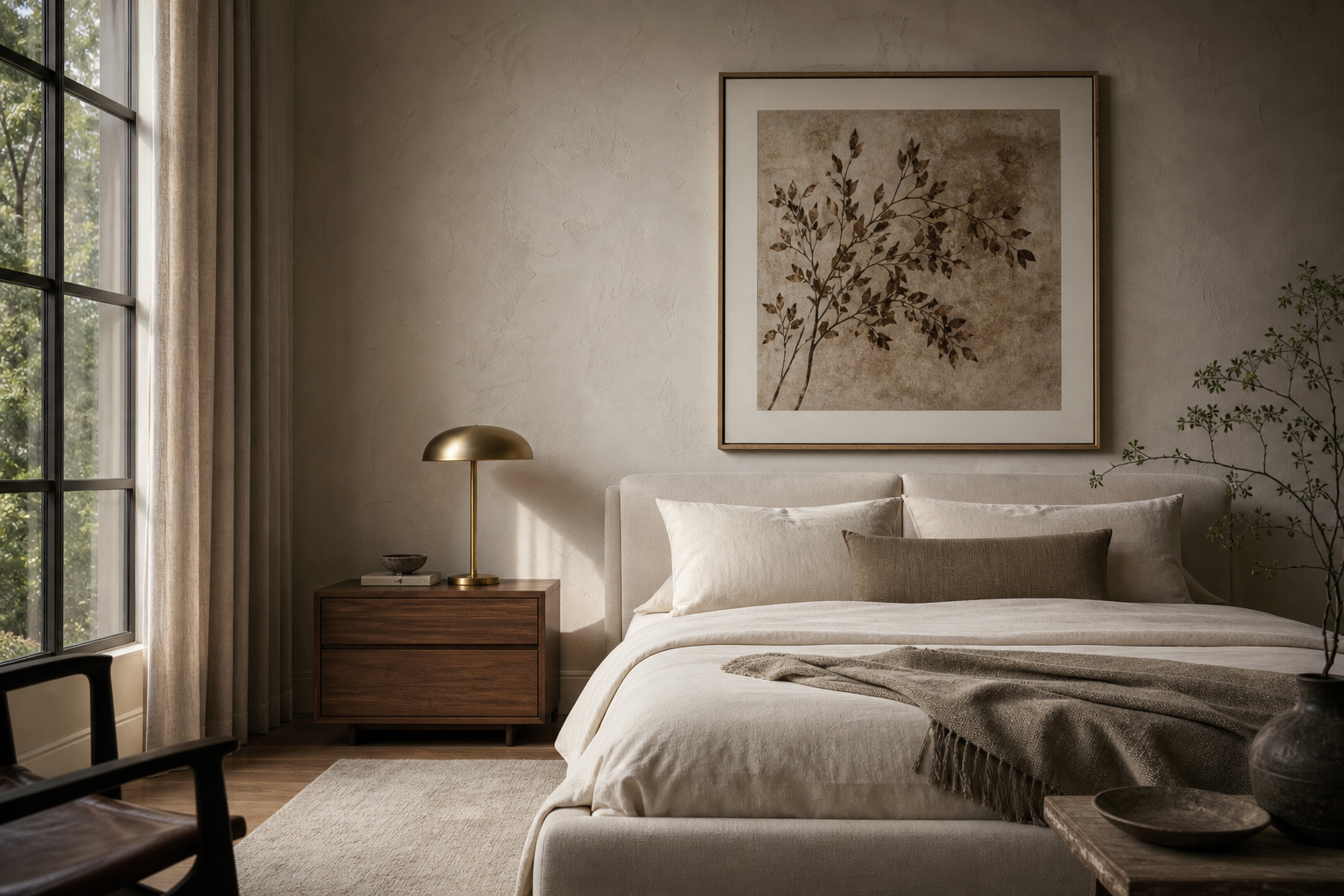
A fine art figure study print brings structure, softness, and a sense of observation to a room. It works because the subject is human, but the presentation feels composed rather than decorative. When styled well, it can sit comfortably beside our Fine Art collection or cleaner pieces from the Minimalist collection, creating a room that feels edited instead of themed.
What Makes a Figure Study Feel Fine Art
A figure study feels elevated when the image relies on composition and line rather than heavy styling tricks. Look for clear contours, restrained movement, negative space, and a palette that stays within 2 to 4 dominant tones. That is why a fine art figure study print often looks strongest in charcoal, sepia, muted blush, cream, or weathered black rather than saturated primary colors.
Paper finish matters almost as much as the artwork itself. A matte surface reads more gallery-like because it reduces glare and keeps the focus on linework and tonal depth. Prints with visible sketch texture, painterly brushwork, or soft shadow transitions also feel more substantial on the wall than glossy, high-contrast images. If you are building a quieter art story, browse figurative works inside Mysterious Figure — Surrealism Print and painterly portraits such as Woman in Yellow Flowers — Fine Art Print for that studied, collected effect.
A good example is a piece that balances body language with open space around it. Too much background detail can make the work feel narrative; a figure study usually feels stronger when the pose is the focus.

Where a Figure Study Print Works Best
Figure studies suit rooms where you want calm attention rather than instant impact. Bedrooms are a natural fit because the subject has intimacy without needing bright color. Hang one centered above a 140 to 180 cm bed, leaving 15 to 25 cm between the headboard and frame. In living rooms, place it above a sofa that is at least two-thirds the width of the artwork grouping for visual balance.
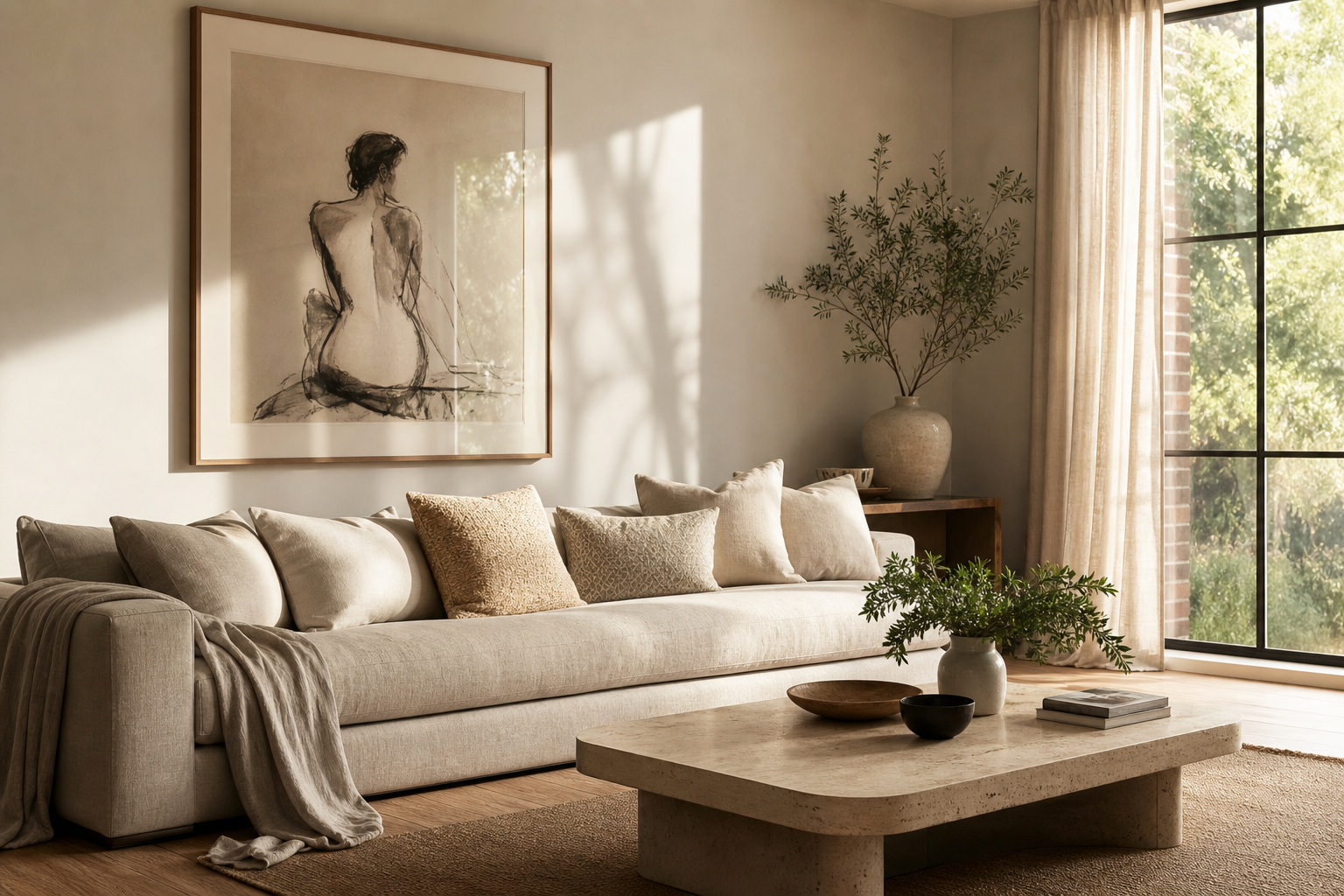
Dressing areas, reading corners, and hallways also work well because a fine art figure study print rewards closer viewing. A 40x50 cm or 50x70 cm frame can add presence to a narrow wall without crowding it. If the room already includes mirrors, stone, and fabric textures, the artwork will feel integrated quickly. For a more fashion-adjacent take, pair figurative art with selective pieces from our Fashion wall art — especially works with elegant poses or sketch-like movement rather than bold editorial color.
Avoid placing figure studies in the busiest visual zone of a room if you want them to feel refined. Near a TV wall, open shelving packed with objects, or a highly patterned wallpaper, the nuance gets lost. They perform better on quieter plaster, painted drywall, limewash, or wood-paneled surfaces where the silhouette stays legible from 2 to 3 meters away.
Choosing the Right Size and Scale
Scale changes the tone immediately. A small figure study — around 30x40 cm — feels intimate and works best on a shelf, beside a dresser, or as part of a layered arrangement. A medium size, such as 50x70 cm, is the most versatile because it reads clearly from across the room and still leaves space for furniture and lighting.
If you want a more gallery-led result, go oversized. A 70x100 cm or 100x140 cm fine art figure study print creates a quieter kind of drama than a bright abstract because the subject is still restrained. Oversized pieces suit high ceilings, wide walls, or minimalist rooms with fewer than five major furniture elements. In a compact bedroom, however, an oversized figurative piece can feel too dominant unless the rest of the palette stays very subdued.
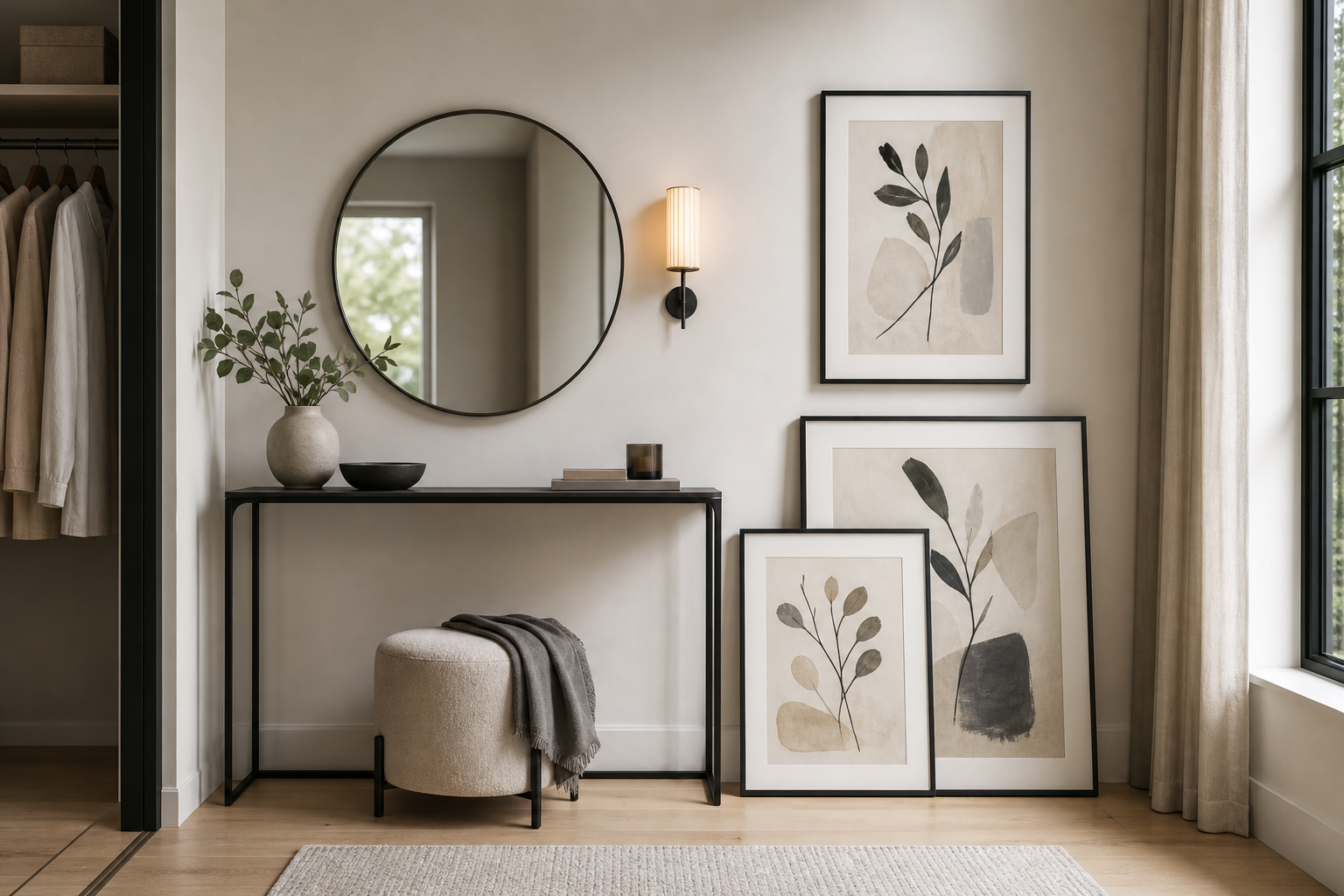
A practical rule is to fill 60 to 75 percent of the wall width above a piece of furniture. Above a 180 cm sofa, your artwork or grouped arrangement should span roughly 108 to 135 cm. Above a 120 cm dresser, aim for 72 to 90 cm total. If you like a study-like cluster, mix one 50x70 cm hero piece with two smaller 30x40 cm works rather than using three equal sizes.



Framing Ideas for a Polished Finish
Thin black frames are the most reliable choice when the artwork has strong linework. A profile of 1 to 1.5 cm keeps the edges crisp and lets the figure remain the focal point. This works especially well with monochrome or sketch-based pieces, including pared-back works like Yoga Practice — Minimalist Print.
Natural oak or ash frames soften the mood and make a figure study feel more domestic. Use them when your room already includes linen, boucle, oak flooring, or warm white walls. For a cleaner finish, add an off-white mount board of 5 to 8 cm around the image. The mount gives the work breathing room and makes even a 30x40 cm print feel more considered.
If your artwork is painterly rather than linear, a darker walnut frame can look richer than black. Keep the frame simple — no ornate moulding, metallic shine, or thick gloss finishes. Figure studies already carry visual complexity through posture and anatomy, so the framing should edit, not compete.

Color Palette and Styling Pairings
The easiest palette starts with chalky neutrals: ivory, taupe, mushroom, sand, camel, and soft black. These tones let the human form stand out while keeping the room calm. Add one warmer accent — rust, oxblood, muted olive, or bronze — in no more than 10 to 15 percent of the room through a cushion, throw, lamp base, or book stack.
Textiles make a difference. Figure studies look stronger near tactile materials such as washed linen, wool bouclé, raw cotton, suede, and wood with visible grain. In contrast, a very glossy room with mirrored furniture and sharp chrome can make the artwork feel disconnected unless the piece itself is highly stylized.
To build a layered wall, combine your figure piece with one abstract, one portrait, and one fashion sketch. That mix keeps the arrangement personal while staying within the same visual language. For example, Fashion Illustration — Vintage Print pairs well with figurative art because both rely on contour and posture. If you want a softer painterly companion, Woman with a Parasol — Impressionist Print adds lightness without pulling the room into bright color.

Creating a Personal Gallery Moment
The best gallery walls with figure studies do not over-explain themselves. Start with one anchor piece, then add 2 to 4 supporting works that share either palette, line quality, or emotional tone. A common mistake is matching only by subject — several human figures together can feel repetitive unless one is abstracted, one is close-cropped, and one is more atmospheric.
Try one of these arrangements: - A vertical pair in a dressing area — two 40x50 cm works stacked with 7 to 10 cm between them. - A salon-style cluster above a console — one 50x70 cm piece plus three smaller works in 30x40 cm or 21x30 cm sizes. - A single oversized statement in a bedroom — one 70x100 cm print centered above the bed with matching bedside lamps for symmetry.
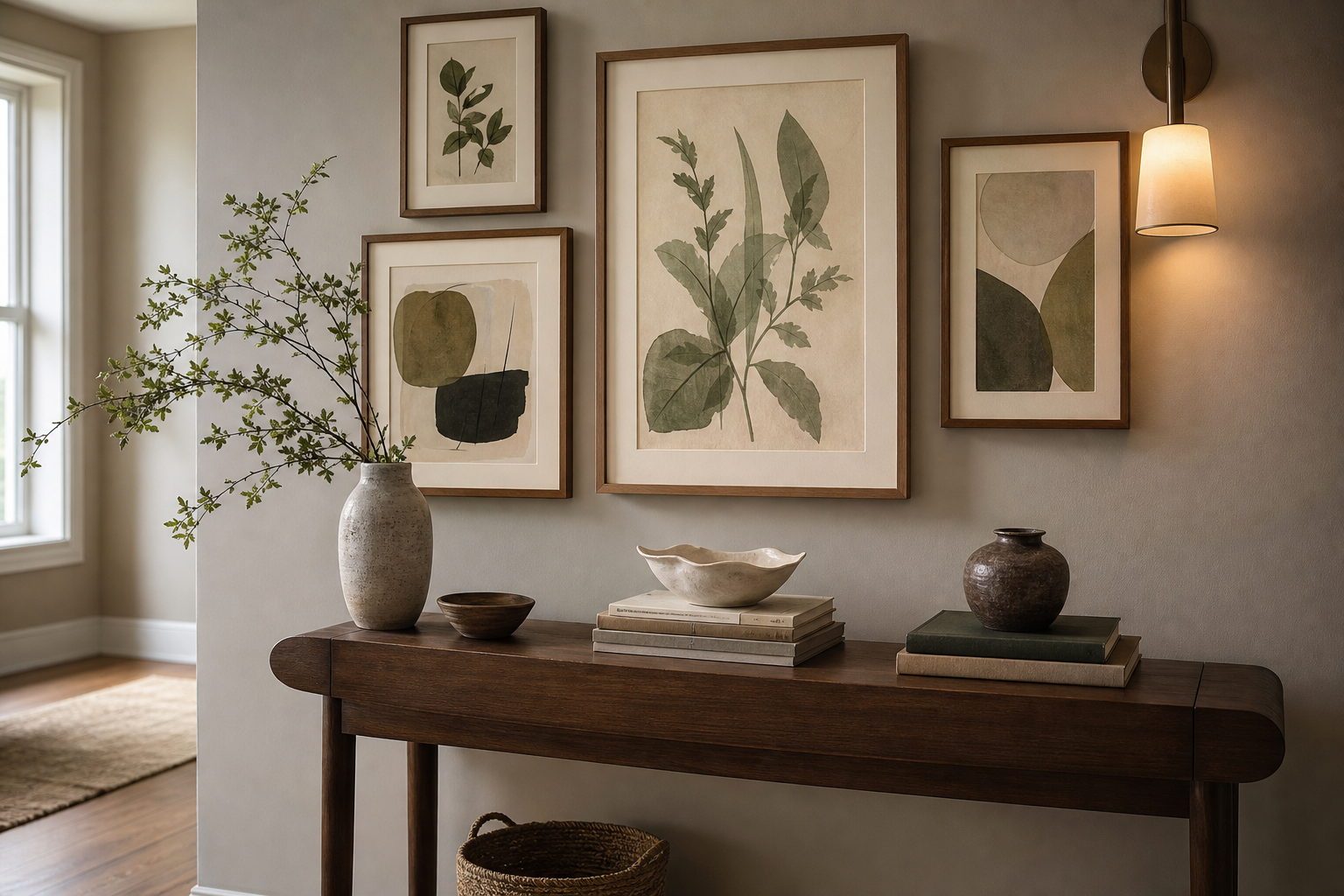
When shopping, focus on the role the piece will play. If it is the room's main focal point, choose stronger contrast and larger scale. If it is part of a layered wall, pick a quieter work with more negative space. A fine art figure study print should not fight the room; it should sharpen it. Pieces from Zeus — Fine Art Print to Vincent van Gogh — Portrait Print show how figurative work can range from classical to expressive while still holding that collected feel.
Final thoughts
A fine art figure study print works best when the styling stays disciplined: the right scale, a restrained frame, matte finish, and a palette with enough softness to let the figure breathe. Keep the surrounding furniture simple, use texture instead of excess color, and give the work enough wall space to hold attention.
If you want a room to feel thoughtful rather than heavily decorated, figurative fine art is one of the most reliable choices. It adds presence, humanity, and form — without needing to dominate the entire scheme.
Frequently Asked Questions
Should I choose glass or acrylic for a figure study frame?
Glass gives the clearest, most premium look, especially on medium sizes like 40x50 cm and 50x70 cm. Acrylic is lighter and safer for large frames or busy households.
What wall color works best behind a figure study print?
Soft white, warm greige, taupe, and muted clay work especially well. Avoid very bright white if the print has antique tones — it can make the artwork look flat by comparison.
Can I hang a figure study print in a rental apartment without drilling?
Yes, if the frame is lightweight. Use high-strength adhesive strips rated above the frame weight and keep the size modest, ideally no larger than 50x70 cm.
What other art styles pair well with figure studies?
Minimal line art, fashion illustration, soft abstract work, and subdued portraiture all pair naturally. Keep at least one common element between pieces — tone, frame color, or paper margin.