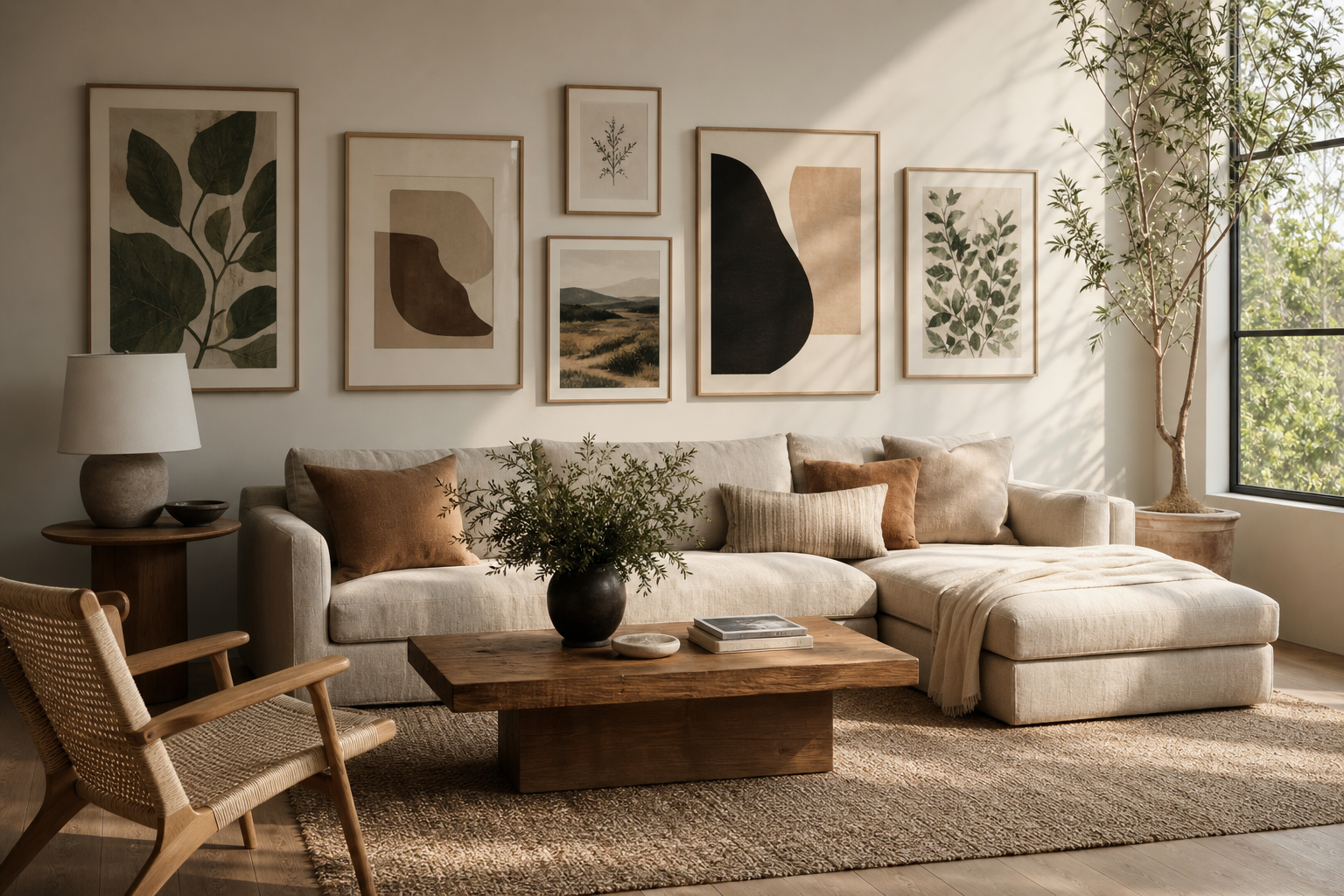
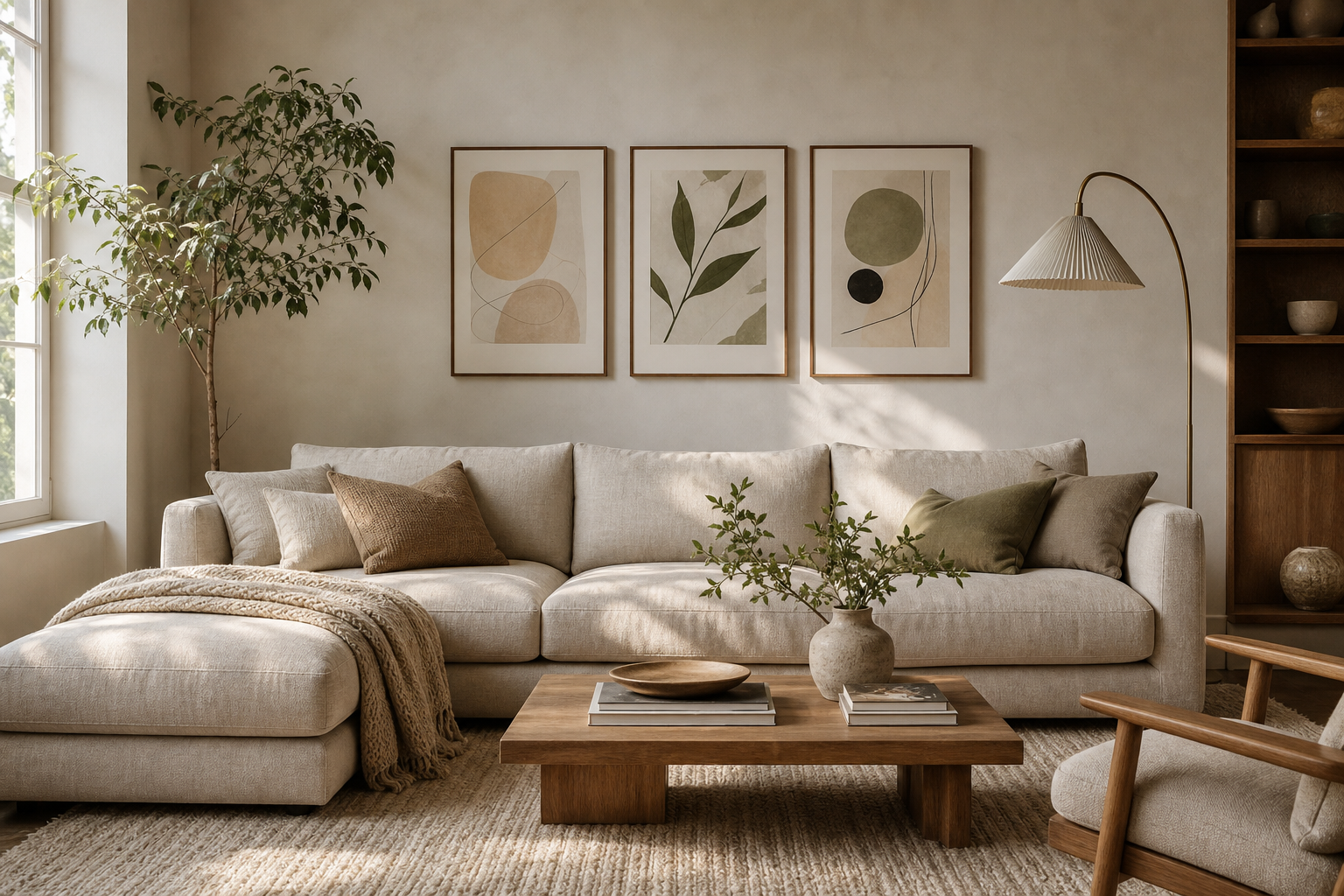
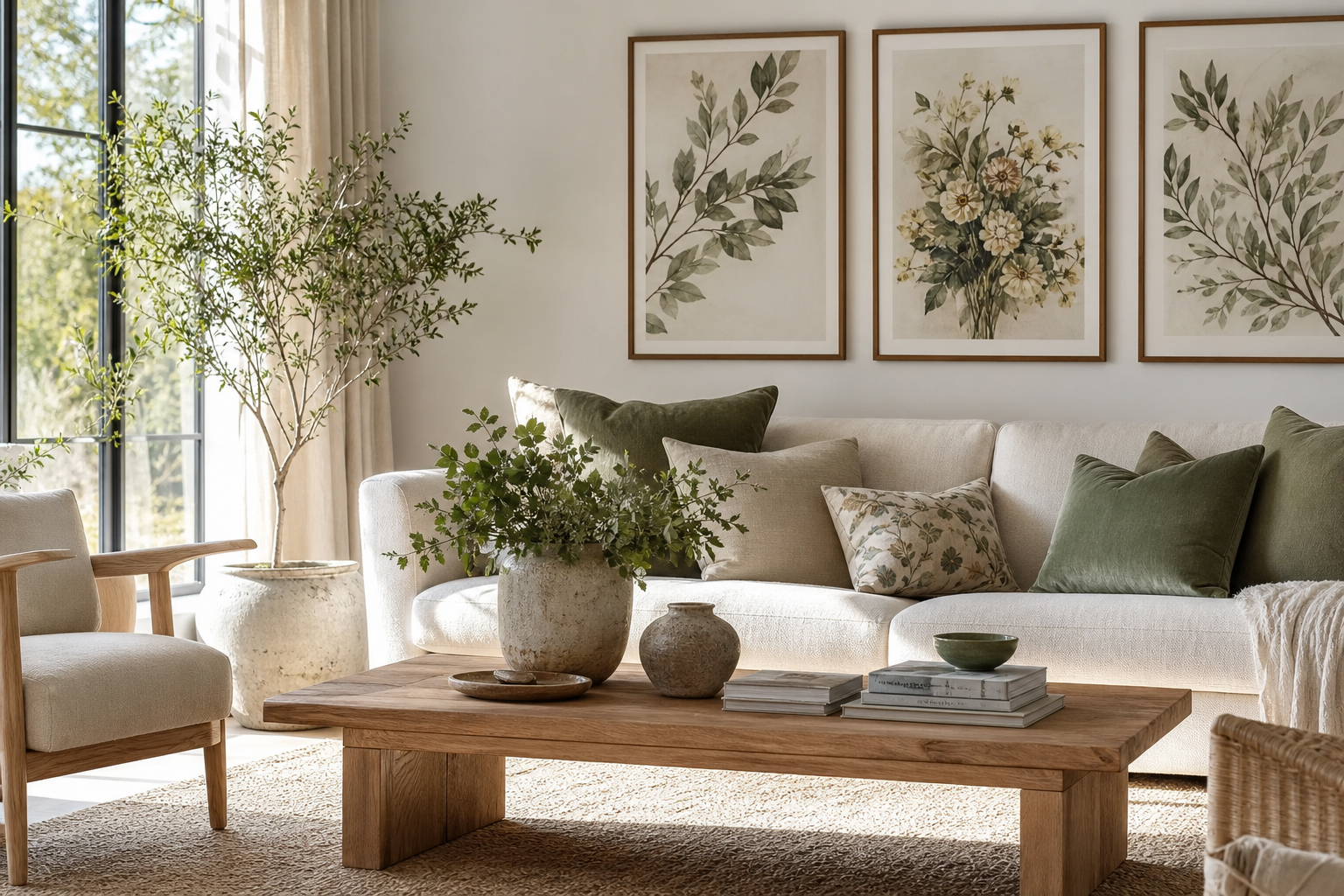
Animal art earns its place in a living room because it adds character without making the room feel busy. A zebra portrait, a bird illustration, or a wildlife photograph introduces movement, texture, and a recognisable subject people connect with immediately. That is why "animals for the living room" works across very different homes — from pared-back Scandinavian interiors to layered eclectic spaces.
The strongest approach is to treat animal art as a mood-setting element, not just decoration. A single large wildlife image can anchor a seating area, while a pair of quieter prints can soften a reading corner or sideboard wall. If you want a starting point, browse our animals collection alongside nature art prints so the room feels coherent rather than themed.
Why Animal Art Works in the Living Room
Animal subjects feel personal because they carry instant associations. Birds read as light and airy, zebras add graphic contrast, whales feel calm and expansive, and forest animals bring a quieter, grounded note. In a room used every day, that kind of visual shorthand matters. It helps the wall say something without needing bright colour or complex styling.
In practical terms, animal wall art also solves the common "blank sofa wall" problem. Living rooms often need one focal point at eye level, usually 145 to 155 cm from the floor to the centre of the composition. Animal imagery works well here because it has a clear silhouette and reads from across the room, even in medium sizes like 50x70 cm or 70x100 cm.

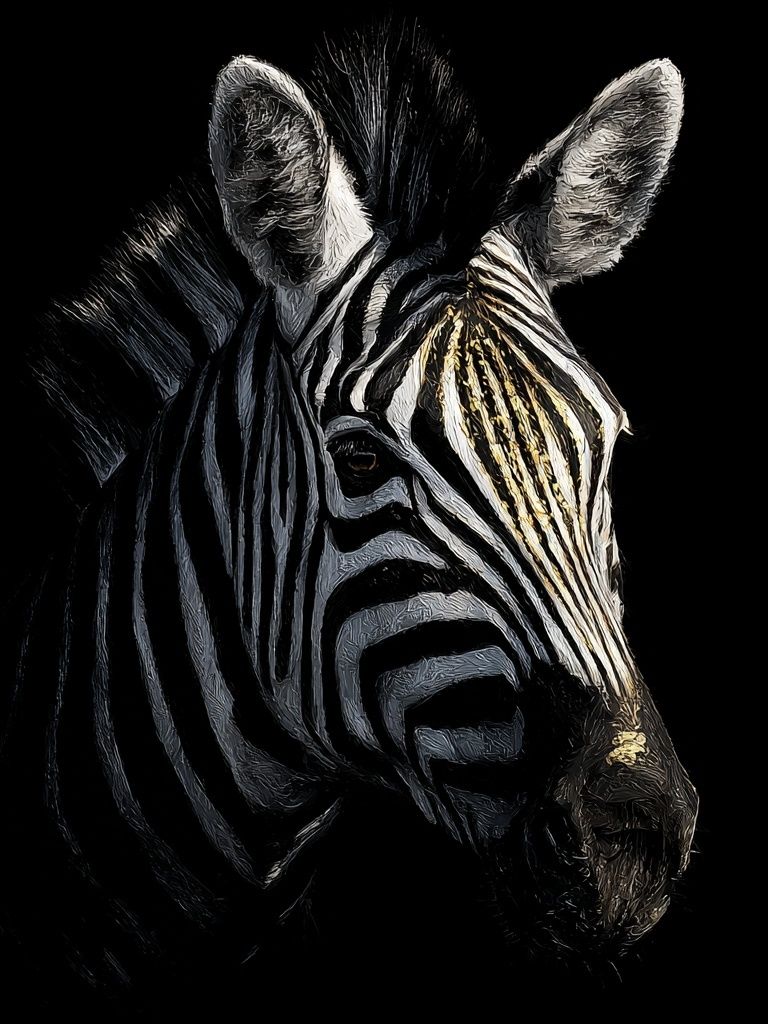
If you prefer a polished look over a playful one, choose subjects with restraint in the composition. A black-and-white zebra image or a vintage wildlife study looks more architectural than whimsical, especially when paired with minimalist wall art or muted fine art prints nearby.
Choose the Right Animal Style for Your Space
Minimalist rooms benefit from animal art with strong outlines and limited colour. Think monochrome zebra portraits, line-led bird studies, or simple marine subjects. These styles keep visual noise low and work especially well with oak, black metal, boucle, and off-white textiles. If your living room already has clean furniture shapes, animal imagery with one dominant subject will look intentional rather than decorative.
Vintage-inspired interiors can handle more detail. Old zoological studies, wildlife paintings, and softly aged illustrations bring depth to rooms with brass, dark wood, patterned rugs, and warmer paint tones. A piece such as the Zebra (1803) painting suits this approach because it feels collected rather than trend-driven.
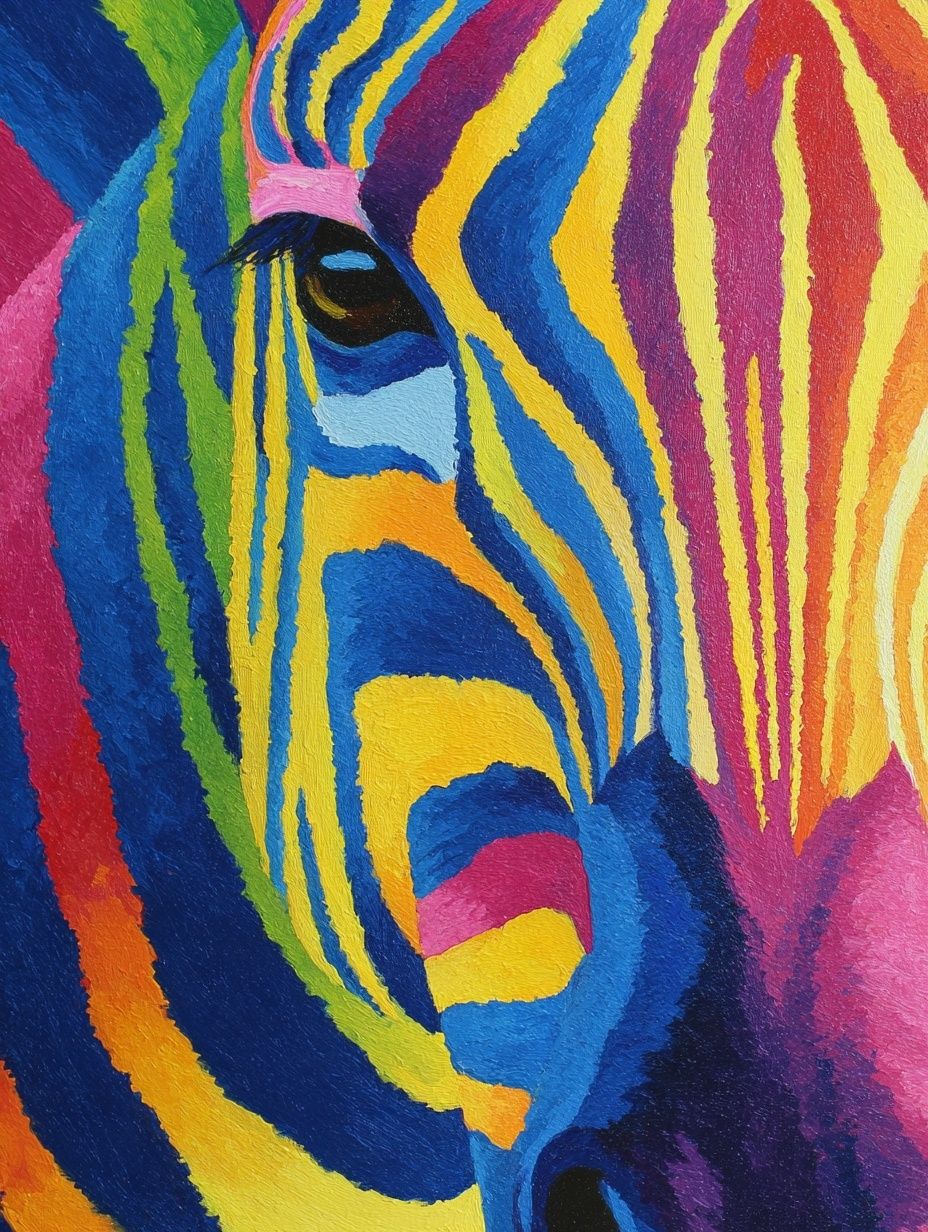
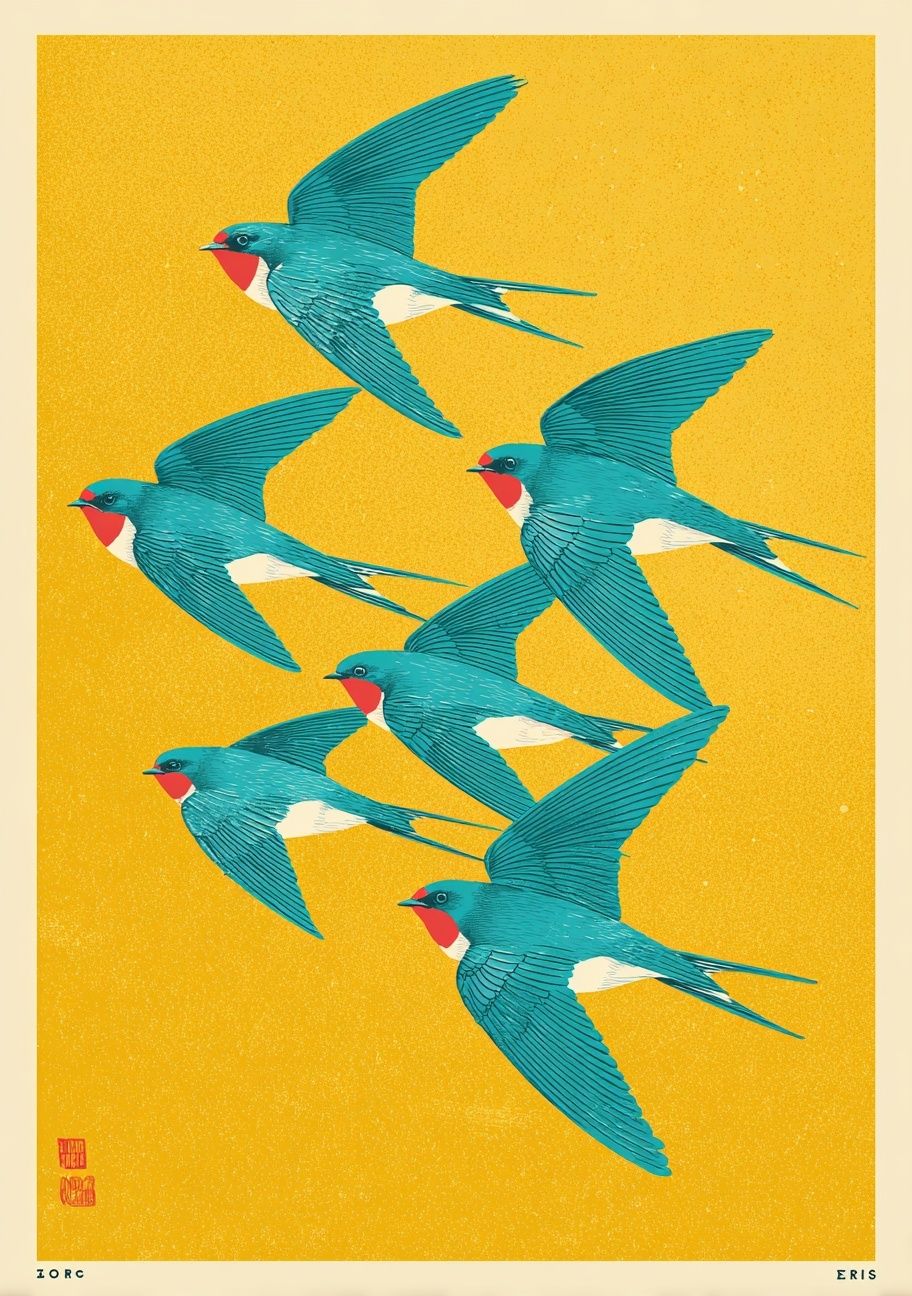
For bolder spaces, illustrated animal prints introduce colour and energy without losing sophistication. Birds in motion, stylised wildlife, and painterly animal forms pair well with illustration prints and even selected bohemian wall art when the room already includes layered textiles and organic shapes. The key is to repeat one or two colours from the artwork elsewhere in the room — a cushion, ceramic vase, or throw is enough.
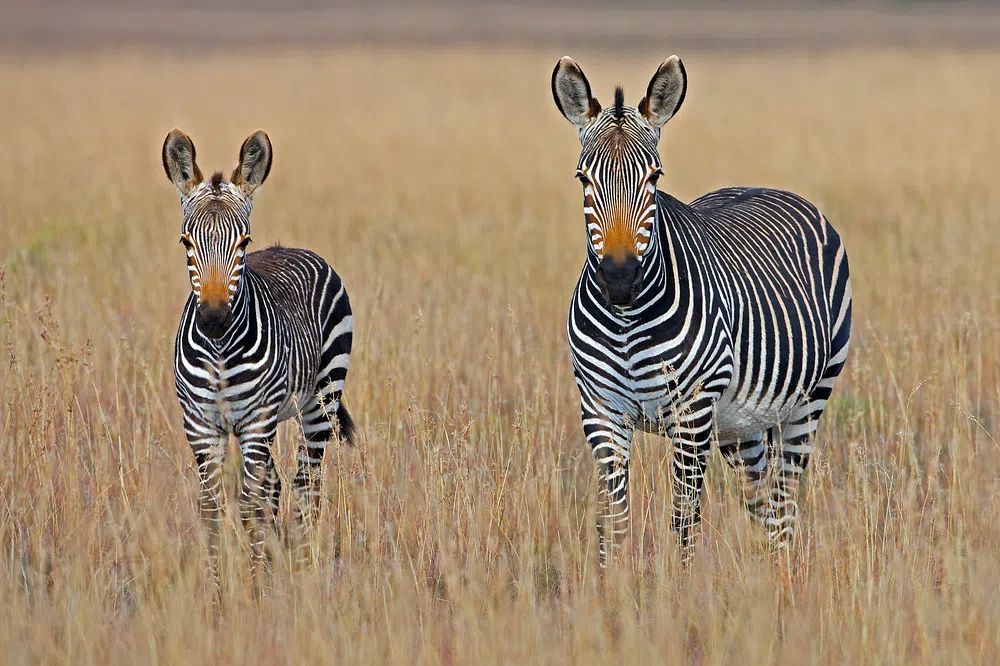

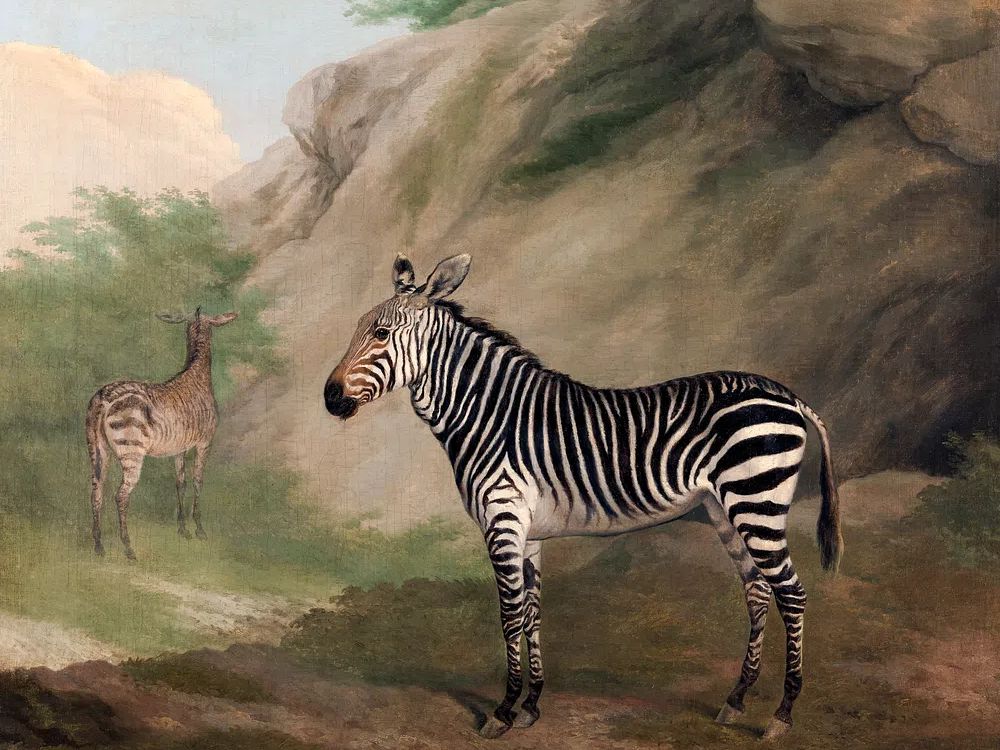
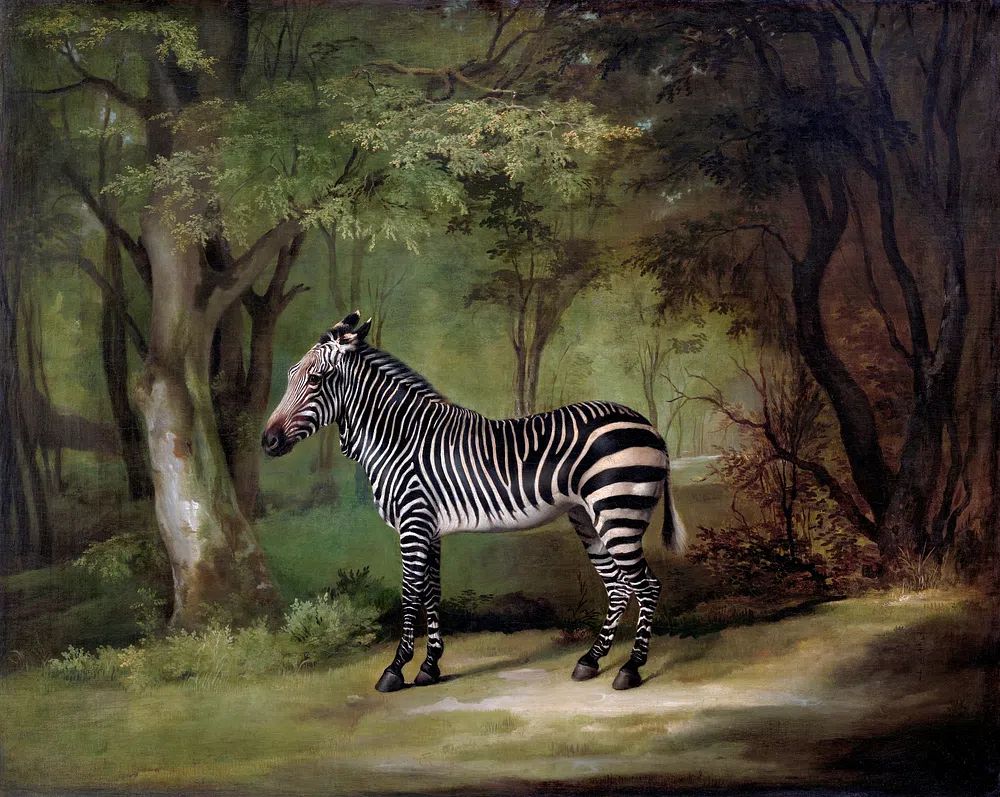
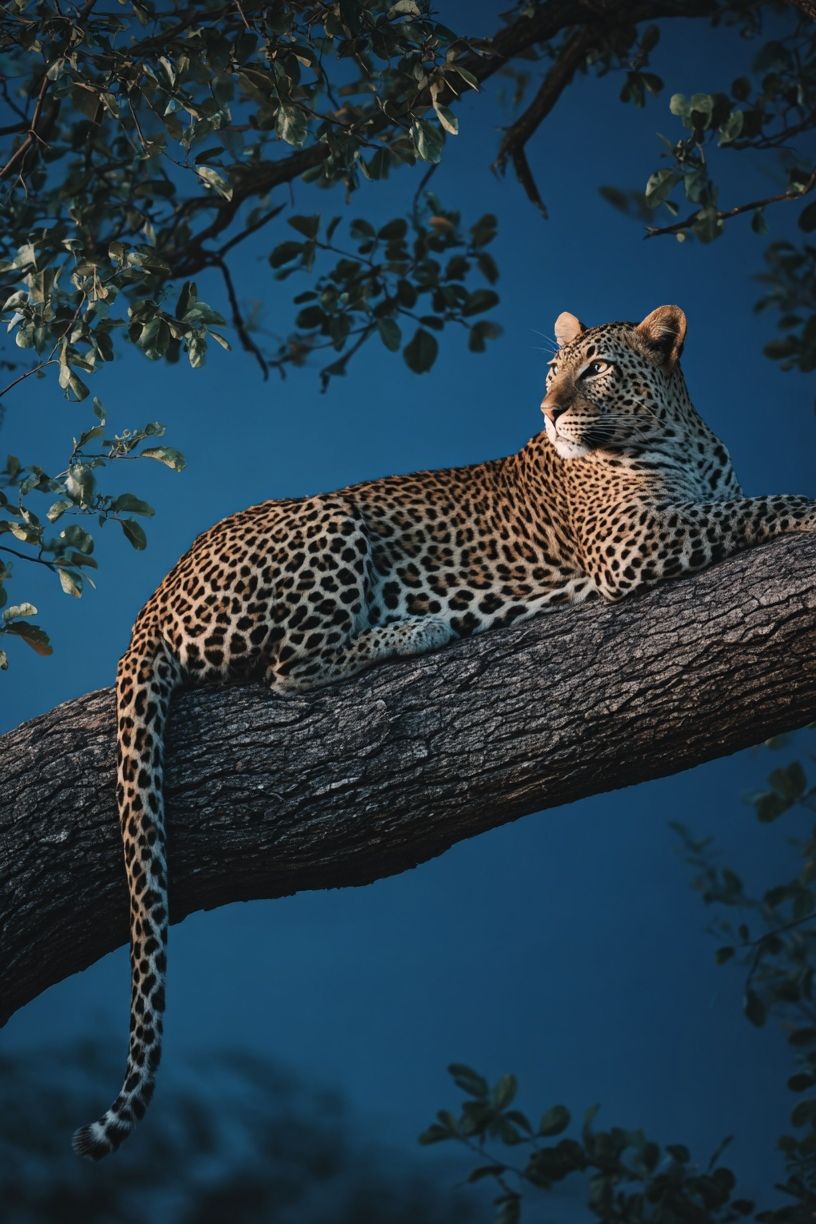
Photographic animal art works best when you want realism and quiet drama. A wildlife photograph can ground a modern room because the detail feels crisp and believable. Use it where you need a stronger statement, such as above a console or opposite the main seating area, and keep surrounding decor simple.
Match the Mood With Colour and Tone
Colour determines whether animal art feels calm, dramatic, or playful. Neutral palettes — black, ivory, sand, taupe, olive — are the easiest route if you want "animals for the living room" to blend into an existing scheme. Zebra prints are especially useful here because they naturally echo black frames, cream upholstery, and natural wood.
Earthy tones suit homes with terracotta, camel, rust, muted green, or brown. Wildlife scenes, whales, and forest subjects all sit comfortably in that range. If your room already includes walnut furniture or woven textures, try art that carries subdued blues, stone tones, or faded greens rather than sharp primary colours.

Moody colour palettes work well in larger living rooms or spaces with strong natural light. Deep charcoal, forest green, and espresso brown can support dramatic wildlife photography or darker animal portraits. In smaller rooms, keep the artwork lighter than the wall colour so it does not visually sink into the background.
If you want brightness, use it selectively. One colourful animal print can lift a neutral room, but several competing vivid pieces often pull a living room toward a children's-space feel. A better balance is one colour-led statement piece paired with quieter supporting works from our photography collection or animal art with softer tones.
Find the Best Place to Hang Them
The wall above the sofa is usually the first choice, and it works well if the arrangement spans roughly 60 to 75 percent of the sofa width. For a 220 cm sofa, aim for a total artwork width of about 132 to 165 cm. That could be one 70x100 cm print, two 50x70 cm prints, or a tighter gallery of three smaller pieces.
Narrow walls need vertical formats or stacked pairs. A tall zebra portrait, a whale image, or a bird illustration can make use of awkward spaces beside shelving, near a doorway, or between two windows. Keep 15 to 25 cm between the furniture edge and the bottom of the frame so the art feels connected to the room rather than floating.

Animal art also works well inside a broader gallery wall. Mix one animal subject with landscapes, abstract work, or botanicals to avoid repetition. A useful ratio is 40 percent subject-led pieces, 40 percent quieter supporting art, and 20 percent negative space created by margins and wall gaps. If you love layered displays, combine Zebra Family in Grassland with softer pieces from the nature collection so the result feels balanced.
Pairing is often more elegant than clustering. Two related prints — such as a bird illustration and a wildlife photograph — can frame a sofa or fireplace beautifully, especially when both share a common tone, frame finish, or mount width.
Sizing, Framing and Layout Tips
Size is the factor most people underestimate. Small art on a large wall looks apologetic. In most living rooms, 50x70 cm is the minimum size for a standalone piece above furniture, while 70x100 cm has enough presence to function as a true focal point. If you are using several smaller works, keep the whole grouping visually united by treating it as one large rectangle.
Frame finish changes the tone more than many people expect. Black frames sharpen animal imagery and suit modern or monochrome rooms. Oak frames soften the look and connect well with Scandinavian, organic, and nature-led interiors. Brass or darker wood finishes work best with vintage wildlife subjects, especially when the room already includes warm metals or antique details.
Spacing should stay tight enough to feel intentional. For a grid or pair, leave 5 to 8 cm between frames. For a looser salon wall, 7 to 10 cm is usually enough. If you add mounts, keep them consistent — for example, 4 to 6 cm on every piece — so different animal subjects still read as one collection.
Material matters too. Matte paper and non-reflective glazing suit bright living rooms because they reduce glare from windows and floor lamps. In dimmer rooms, standard glass can add useful crispness and depth, but place it carefully so reflections do not cut across the image.
Shop the Look and Build a Cohesive Display
The easiest way to build a cohesive display is to choose one dominant thread and repeat it. That thread might be colour, frame finish, subject type, or mood. You could mix a zebra portrait with a coastal whale image and still get a polished result if both prints share the same restrained palette and frame style. Consistency beats matching.
For a living room that feels collected, combine animal art with one adjacent category rather than many. Animal plus minimalist is clean and contemporary. Animal plus fine art feels softer and more layered. Animal plus nature creates an organic scheme that suits wood, linen, stone, and indoor plants. If you want a dramatic pairing, try Leopard in Tree with moody neutrals and a single landscape nearby rather than filling every frame with wildlife.
When in doubt, start with one anchor piece and build around it slowly. A strong hero print above the sofa, one secondary piece near a reading chair, and a related print over a console is often enough for a complete room. Living rooms rarely need more than three to five framed works before the walls start competing with the furniture.
Final thoughts
Well-chosen animals for the living room can make the space feel warmer, sharper, or calmer depending on the subject, palette, and scale. The best results come from treating the artwork as part of the room's architecture — sized properly, framed consistently, and placed with purpose.
Start with the wall that needs the most structure, choose an animal subject that matches the room's mood, and keep the supporting pieces quieter. That is how animal art moves from decorative detail to a finished interior decision.
Frequently Asked Questions
What frame colour works best for animal art in a neutral living room?
Black and oak are the safest choices. Black gives stronger contrast, while oak feels softer and warmer against beige, cream, and greige walls.
Can I mix animal art with abstract prints?
Yes — one animal piece paired with one or two abstract works often looks more refined than an all-animal wall. Keep a shared colour palette or matching frame style to tie them together.
Should I use glass or acrylic for large frames?
Acrylic is lighter and easier to hang for larger sizes such as 70x100 cm and above. Glass can look sharper, but it is heavier and more reflective.
How high should art hang above a sofa?
Leave around 15 to 25 cm between the top of the sofa and the bottom of the frame. That gap keeps the artwork visually connected to the furniture.
What pairs well with zebra artwork?
Botanical prints, minimalist line work, and soft landscape photography all pair well with zebra subjects. They balance the graphic stripes without competing for attention.