What Makes Blaster Sci-Fi So Compelling
Blaster sci fi works because it turns technology into drama. A blaster is never just a prop in the frame — it signals speed, danger, power, and a future shaped by conflict or exploration. In wall art, that means one image can carry far more tension than a static spaceship or distant planet. The angled grip, glowing barrel, and charged beam instantly create a story your eye can read in under 2 seconds.
That visual shorthand also gives blaster sci fi a rare range. It can lean pulp and playful, with chunky retro ray-gun forms and saturated reds, or it can go sleek and tactical with matte black surfaces, sharp blue highlights, and minimalist silhouettes. If you already like our Space collection, Gaming wall art, or sci-fi prints from the Movies category, blaster imagery sits neatly between all three.
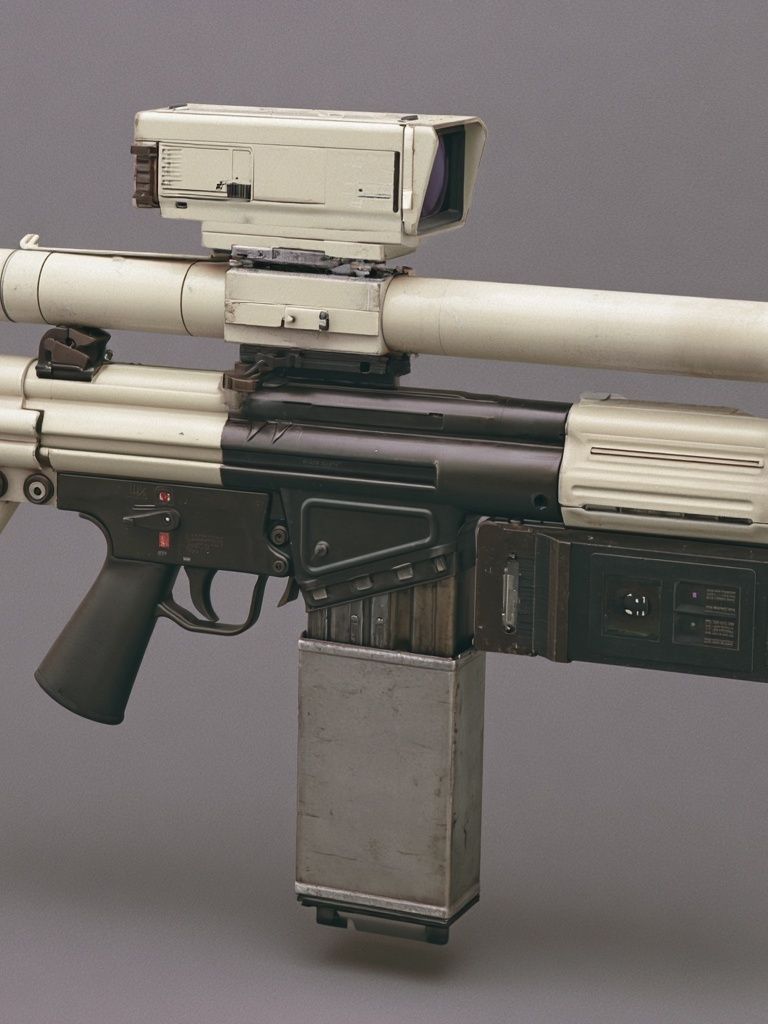
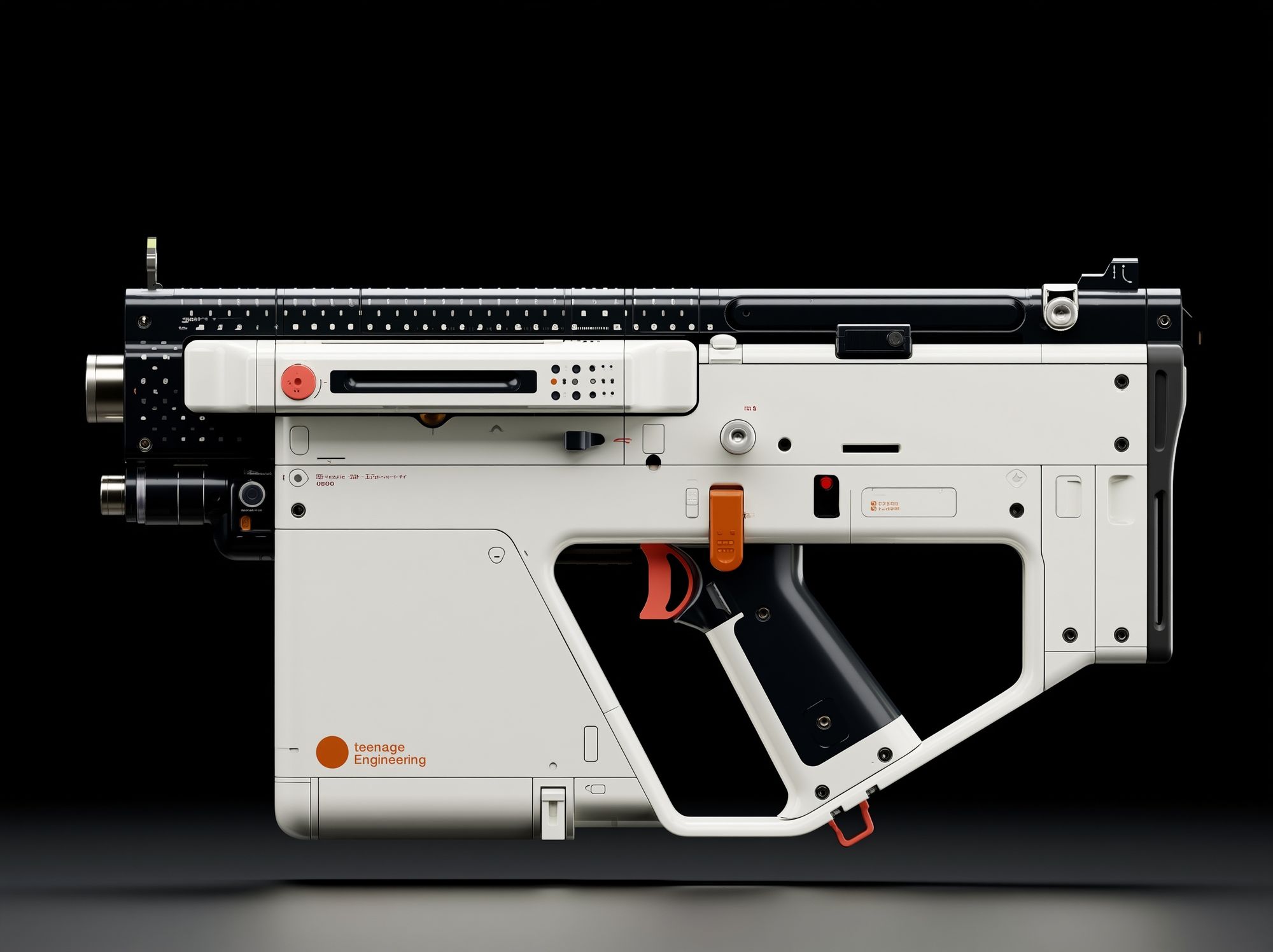
A good example is artwork that isolates the weapon as the hero of the composition rather than burying it inside a busy action scene. That gives you a cleaner focal point from 2 to 4 meters away, which matters in real rooms where furniture, lighting, and viewing angles compete for attention.
From Retro Ray Guns to Modern Laser Blasters
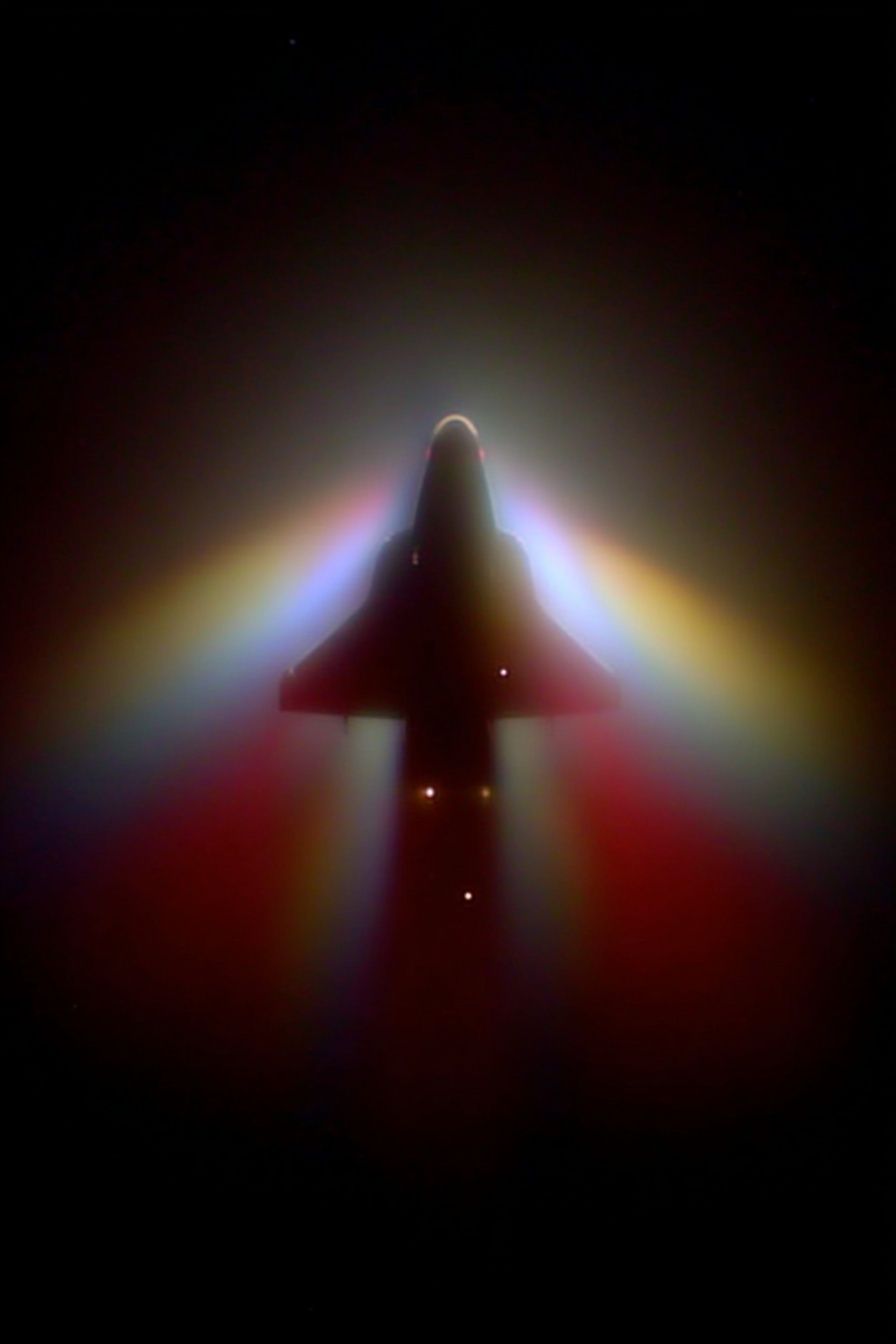
The earliest blaster-inspired visuals borrowed from mid-century industrial design. Rounded muzzles, chrome details, circular gauges, and bright enamel colors made futuristic weapons feel optimistic rather than threatening. That retro space-age language still works especially well with Retro Space Shuttle artwork because both share the same visual roots — clean curves, bold contrast, and a sense of discovery.
By the 1980s and 1990s, sci-fi weapons became heavier and more mechanical. Artists began adding vents, layered casings, exposed wiring, and harsher shadow lines. That shift made blasters feel more believable on screen and on the wall. You can see a related mood in darker action pieces like Futuristic Warrior — Sci-Fi Print, where the technology looks battle-worn rather than pristine.
Today, the style has split into two strong directions. One is cinematic realism — metallic finishes, controlled glow, precise detailing. The other is graphic illustration — flatter color fields, neon accents, and exaggerated silhouettes influenced by games, anime, and comic art. If your room already includes cyberpunk references, Cyberpunk Duo wall art or Neon Samurai Silhouette can pair naturally with blaster-led compositions because they use the same language of edge lighting and urban futurism.




The Visual Language of Blaster Posters
Blaster artwork depends on direction. A weapon pointed diagonally upward feels heroic; angled across the frame, it feels unstable and tense; aimed toward the viewer, it feels confrontational. That is why the best pieces rarely center everything symmetrically. They use 30- to 45-degree diagonals, cropped edges, and off-center subjects to keep the image moving.
Glow effects do most of the emotional work. Blue and cyan suggest precision and high-tech control. Red and orange read hotter, louder, and more destructive. Purple often pushes the image into comic-book or cyberpunk territory. In practical decor terms, cool-toned blaster prints fit black, grey, silver, and navy interiors; warm-toned prints stand out better against off-white, concrete, or dark green walls.
Texture matters too. Smooth gradients can make a piece feel sleek and digital, while scratched metal and smoke layers add weight. If you want that tougher visual finish, look at character-heavy sci-fi art such as Cybernetic Warrior — Sci-Fi Print or urban combat scenes like Futuristic Soldiers in Urban Warfare. Even when the subject is broader than a single weapon, the same cues — reflected light, armor sheen, weapon glow — drive the image.

Choosing a Blaster Sci-Fi Print for Your Space
Start with scale. For a desk wall, 30x40 cm or 40x50 cm is usually enough. Above a bed, sofa, or media console, 50x70 cm gives the image enough authority without crowding the room. If you are building a feature wall, combine one larger central piece with two supporting prints, keeping 5 to 8 cm between frames for a clean rhythm.
Color should match the room's existing contrast level. In a dark setup with black shelving, monitors, and LED strips, choose art with brighter glow so it does not disappear into the wall. In a lighter room — white walls, oak furniture, neutral textiles — a darker blaster print creates the needed anchor. Pieces from our Illustration collection are especially useful here because they often have cleaner backgrounds and stronger silhouette control than busier narrative scenes.
Frame choice changes the mood more than most buyers expect. A black frame sharpens the tactical, cinematic look. A silver or gunmetal frame can amplify the futuristic feel, especially if you already have metal desk legs, chrome lamps, or speaker stands. White frames work best only when the artwork has enough deep contrast to avoid looking washed out.
One practical route is to use a single weapon-led image as the main focal point, then support it with broader sci-fi environment prints such as Futuristic Spaceship — Sci-Fi Print or Orbital Space Station Sci-Fi artwork. That prevents the wall from feeling repetitive.
Best Rooms for Futuristic Action Artwork
Gaming rooms are the most natural fit because blaster imagery already belongs to that visual universe. A 50x70 cm print above a monitor setup or console station creates a strong center line, especially when paired with dimmable bias lighting at 4000K to 6500K. Cooler lighting helps the glow colors in the artwork read cleaner.
Home offices benefit from blaster sci fi when the room needs energy rather than calm. One well-placed print behind the desk can make a compact workspace feel intentional. The key is restraint: keep the rest of the room structured with closed storage, one metal accent, and a limited palette of two or three main colors. Otherwise, the room can slip into visual clutter quickly.
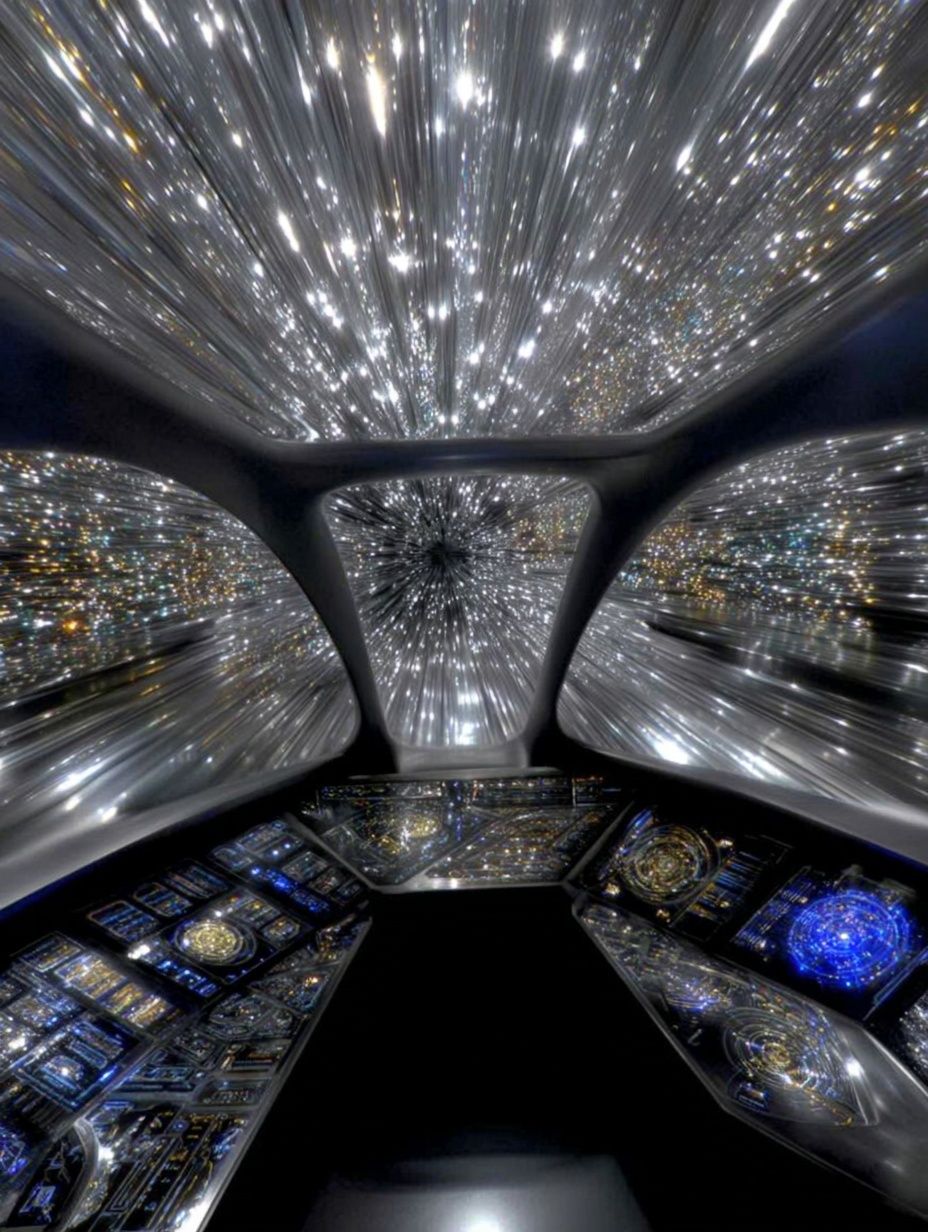
Studios and media rooms can handle more intensity. This is where you can combine weapon imagery with ships, cockpits, and planetary scenes from Space Shuttle Silhouette or Futuristic Starship Cockpit Print. That broader sci-fi context makes the wall feel curated rather than one-note.

Styling Tips for a Cinematic Sci-Fi Wall
Use one dominant image and three supporting elements. A reliable formula is 1 large print at 50x70 cm, 2 medium prints at 30x40 cm, and 1 physical object — a shelf, lamp, or sculptural speaker — to break the grid. That keeps the wall from becoming flat while preserving a cinematic composition.
Keep the palette disciplined. The strongest sci-fi walls usually stay within black, graphite, silver, and one accent color such as electric blue, crimson, or violet. If your chosen blaster artwork already glows blue, echo that with a small LED strip or desk light rather than adding a second unrelated accent color.
Mix subject types. A blaster print looks stronger beside environmental art, cockpit imagery, or futuristic character studies than beside three more nearly identical weapon images. This is where pairing with Futuristic Spaceships — Sci-Fi Print or Alien Invasion wall art can widen the story of the room.
For a more graphic setup, lean into anime and illustration rather than realism. Cyberpunk Girl — Anime Print brings saturated color and a human focal point, while blaster-led illustration gives you the sharp mechanical contrast. That mix works particularly well in bedrooms or creative studios where the decor is expressive rather than strictly minimalist.

Wrap-Up: Finding the Right Poster for Your Inner Space Explorer
The best blaster sci fi art does two jobs at once: it delivers immediate action, and it gives your room a clear visual identity. Choose the piece that matches your version of sci-fi — retro, tactical, neon, or cinematic — then build around it with one or two supporting prints instead of filling every inch of wall.
If you want the easiest route, start with a strong focal print from Futuristic Sci-Fi Blaster Print or Sci-Fi Blaster Illustration Poster, then add one environmental piece from the Space collection or Movies category. That gives you a wall that feels collected, sharp, and built for repeat viewing.
Frequently Asked Questions
What frame color works best for blaster sci-fi art?
Black is the safest choice for contrast and a cinematic finish. Gunmetal or silver works well if your room already includes metal fixtures or cool-toned lighting.
Can blaster-themed prints work in a small room?
Yes — choose one medium print around 30x40 cm or 40x50 cm instead of a full gallery wall. Keeping the surrounding decor simple helps the image read clearly.
Should I use glossy or matte finishes for sci-fi artwork?
Matte is usually better because it reduces glare from screens, lamps, and windows. It also makes dark backgrounds and glow effects look cleaner from different angles.
What wall color suits futuristic action artwork best?
Deep navy, charcoal, soft grey, and clean white all work well. Dark walls make glow effects pop; light walls give heavier sci-fi images more breathing room.
How high should I hang a blaster sci-fi print above a desk or console?
Leave roughly 15 to 25 cm between the furniture top and the bottom of the frame. That keeps the artwork visually connected to the setup instead of floating too high.