Animal posters add movement, character, and a clear focal point faster than almost any other wall-art theme. A close wildlife portrait can make a plain room feel dramatic, while a soft illustration of birds or woodland animals can calm a bedroom or nursery in seconds. The strength of animal posters is range — they can read elegant, playful, earthy, vintage, or graphic depending on subject, scale, and colour.
If you want artwork that feels personal but still easy to style over time, start with subjects from our Animals collection and then refine the mood with pieces from Nature prints or Illustration wall art. That mix keeps the room from feeling themed in a heavy-handed way.
Why Animal Posters Never Go Out of Style
Animal imagery has a built-in connection to nature, and that gives it lasting appeal. Even in modern interiors with clean lines and minimal furniture, a zebra, whale, wolf, or bird introduces organic shape and visual rhythm. Stripes, fur patterns, wings, and silhouettes break up flat surfaces and make walls feel more layered.
Another reason animal posters last is emotional versatility. A wolf portrait feels quiet and strong. A zebra close-up feels graphic and contemporary. A playful illustrated elephant feels warm and welcoming. You are not just choosing a subject — you are choosing the energy a room gives off.
For more classic interiors, older illustration styles and heritage-inspired prints work especially well. They pair naturally with wood, brass, and off-white walls, and they sit comfortably beside pieces from our Vintage collection or Fine Art prints. If you prefer a cleaner look, wildlife photography from Photography wall art gives the same natural subject matter with sharper contrast and a more contemporary finish.
Choosing the Right Animal for Your Space
Different animals create different moods, so it helps to match the subject to the room rather than choosing only by colour. Large wildlife — zebra, tiger, wolf, leopard — tends to feel bold and architectural. These subjects suit living rooms, dining spaces, and entryways where you want the art to carry visual weight.
Sea life is usually calmer. Whales and whale sharks bring fluid shapes and open negative space, which works well in bedrooms, bathrooms, and home offices. If the room already has a soft palette of blue-grey, sand, or white, ocean-inspired pieces feel especially natural. A product like Whale Tail in Ocean is a good example of art that adds presence without visual noise.

Pets, woodland creatures, and softer illustrated animals feel more intimate. They fit bedrooms, nurseries, and reading corners where the goal is comfort rather than drama. For children's spaces, avoid overly busy compositions and choose one or two clear focal animals so the room stays calm. Pieces from our Kids collection are designed for that gentler balance.
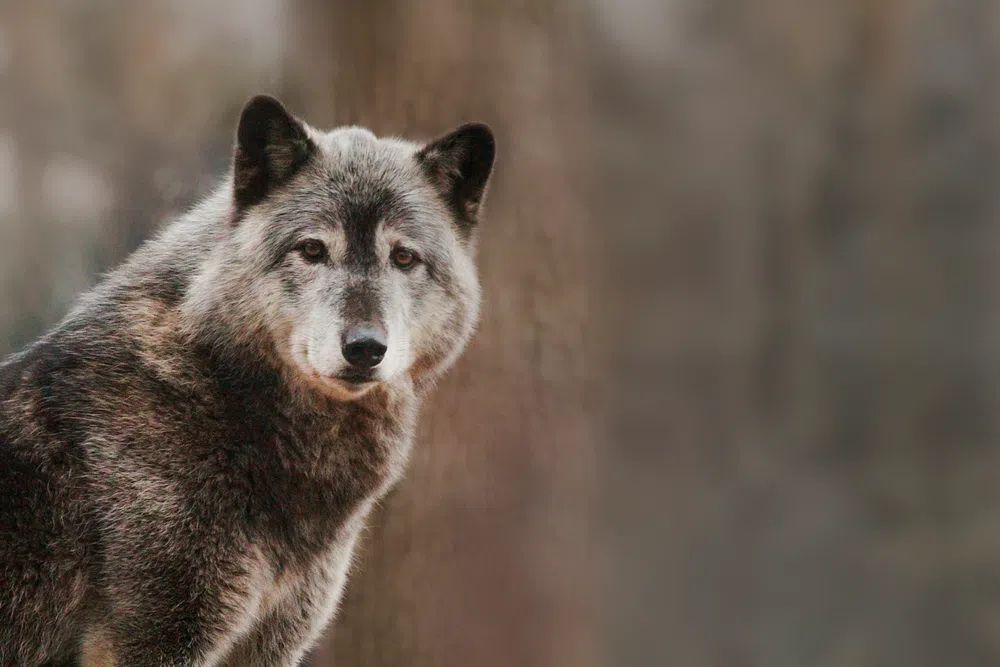
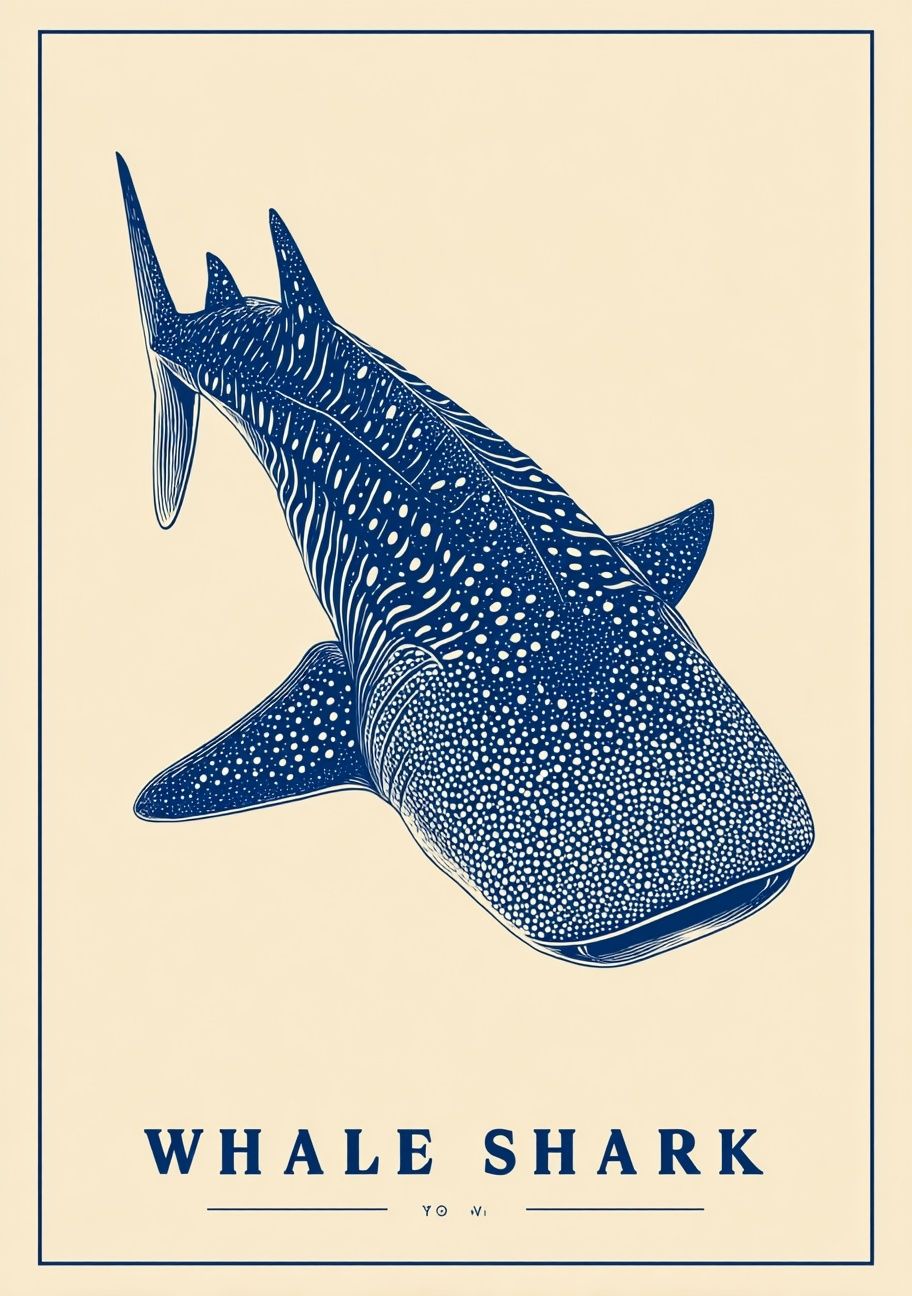
If you want a room to feel more collected than thematic, combine one realistic wildlife piece with one illustration and one abstracted animal pattern. For example, a photographic wolf, a whale illustration, and a zebra-stripe print create variety while staying within the same broad nature story.
Best Colour Palettes for Animal Wall Art
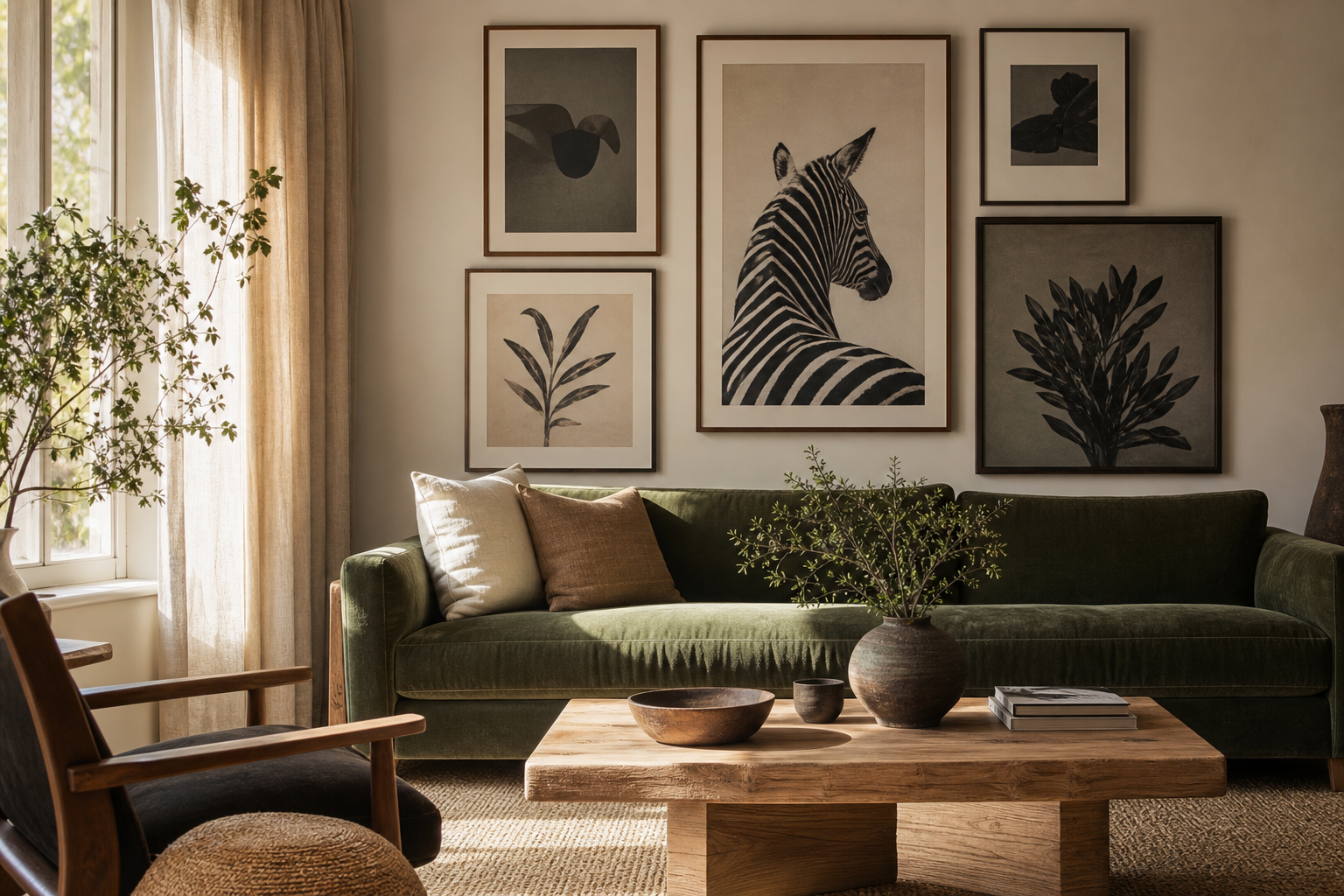
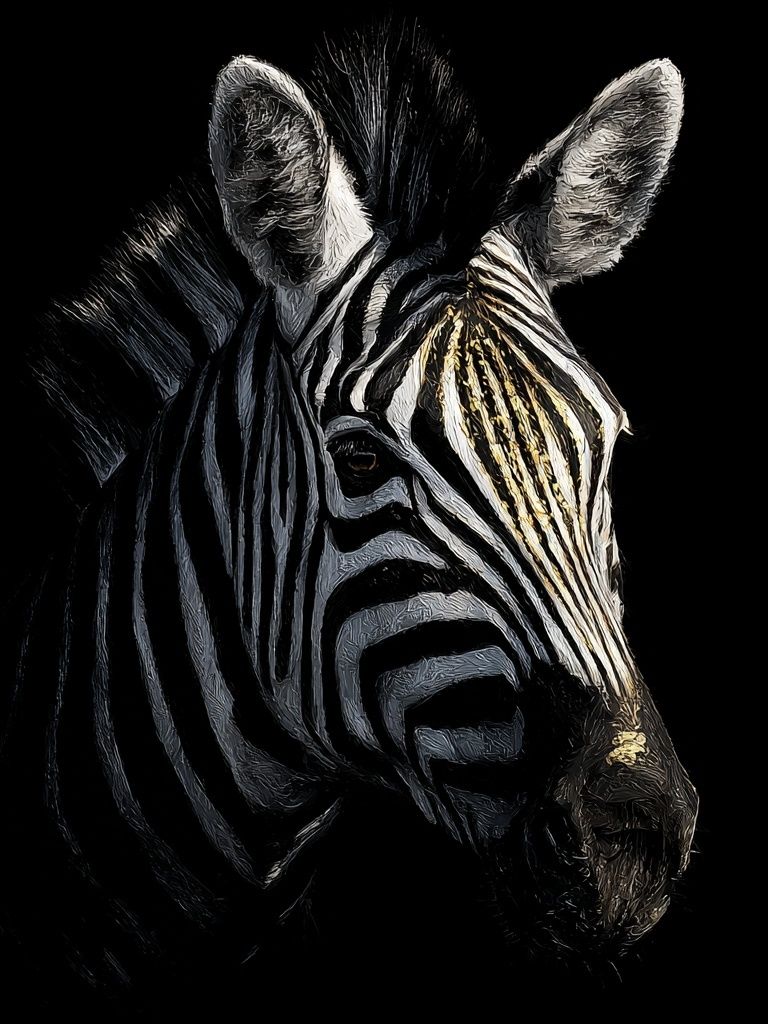
Colour determines whether animal posters feel subtle or statement-making. Black-and-white or near-monochrome animal art is the easiest choice for modern interiors. Zebra, wolf, and leopard subjects often work well in grayscale because their forms are already strong. In rooms with black accents, smoked oak, or stone surfaces, monochrome art keeps the palette disciplined.
Earthy neutrals are the most flexible option for everyday homes. Sand, camel, olive, rust, bark brown, and soft ivory echo natural habitats, so the wall art feels connected to the room. This palette works especially well with linen upholstery, jute rugs, walnut furniture, and matte ceramic decor.
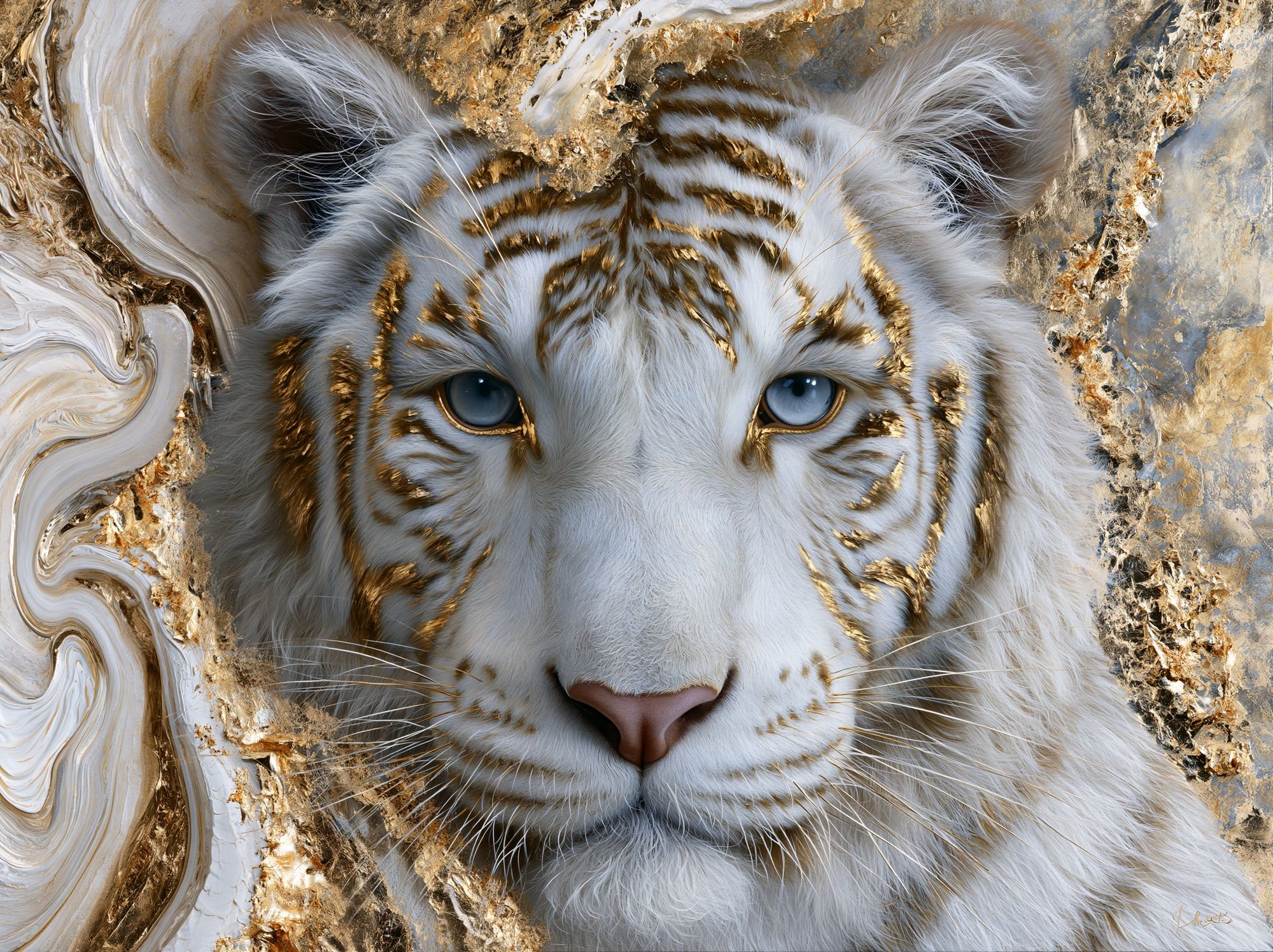
For a more expressive look, choose one vivid piece and keep the rest of the room quieter. A zebra portrait with saturated colour can lift a neutral room without forcing a full redesign. If your sofa and curtains stay within two or three restrained tones, one high-colour print is usually enough for a wall up to 240 cm wide.
A good rule is 70/20/10: let 70% of the room stay neutral, 20% carry supporting mid-tones, and 10% deliver contrast through art and accessories. That ratio helps Colorful Zebra Portrait feel intentional rather than random. If you prefer softer colour stories, older natural-history pieces like the Zebra 1803 painting or Vintage animal illustrations blend easily into cream, sage, dusty blue, and muted pink interiors.
Where to Hang Animal Posters at Home
In the living room, use one large print or a pair above the sofa. A width of 100 to 140 cm for the full arrangement suits most 3-seat sofas. Keep the centre of the composition around 145 cm from the floor, and leave 15 to 25 cm between the sofa back and the bottom frame edge so the art feels connected to the furniture.
Bedrooms benefit from quieter animal imagery. Sea life, birds, deer, or softer wolf photography work well above the bed because they create atmosphere without feeling visually aggressive. If your headboard is 160 cm wide, aim for art around 96 to 120 cm total width — roughly 60 to 75% of the bed width.

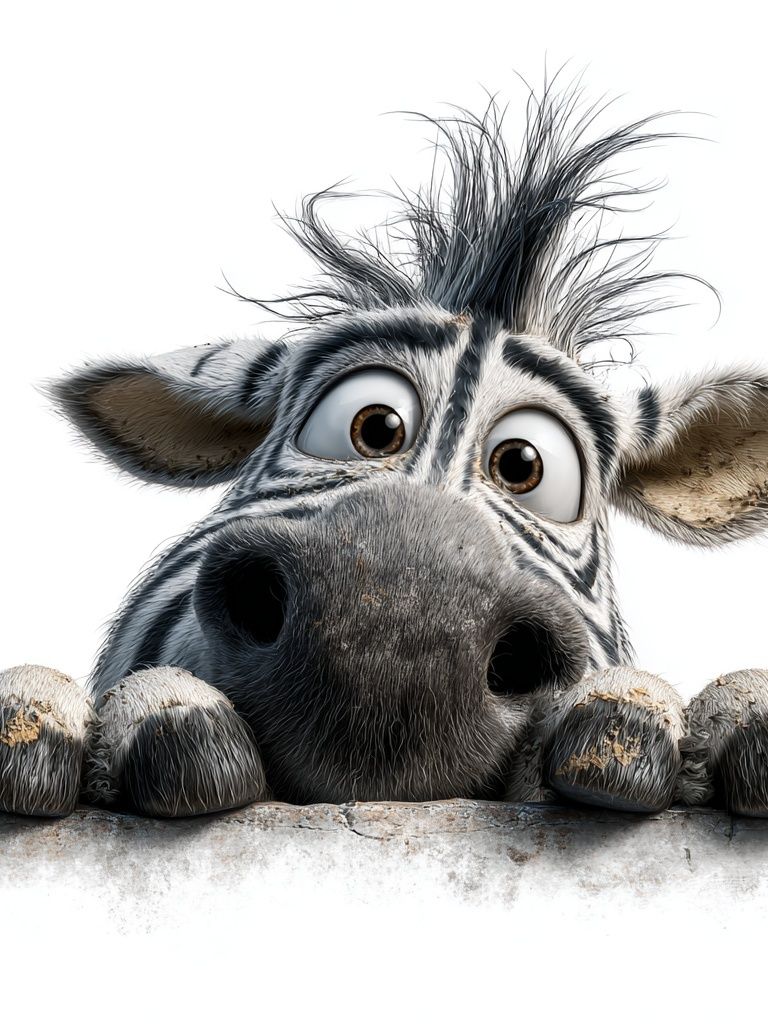
Nurseries and children's rooms suit simpler compositions and lower hanging height. Keep the centre of the artwork closer to the child's eye level when possible, especially over a shelf or reading nook rather than directly over a crib. Gentle pieces like Little Girl and Elephant or Curious Zebra feel playful without overstimulating the room.
Hallways and home offices are good places for narrower vertical formats or single portraits. A strong animal face can hold attention in a compact wall area where landscapes would lose impact. In a workspace, one focused image such as Leopard in Tree or a crisp wolf portrait can make a small wall feel purposeful.
Sizing, Framing, and Gallery Wall Ideas
The quickest styling mistake is choosing art that is too small. For a blank wall above a sideboard, start around 50x70 cm. For a major focal point above a sofa or bed, 70x100 cm or 100x140 cm works better, either as a single piece or as two coordinated frames. If you are building a gallery wall, use a spacing gap of 5 to 8 cm between frames for a tighter, more editorial look.
Frame finish changes the mood as much as the print itself. Black frames sharpen wildlife photography and graphic zebra patterns. Oak frames warm up vintage animal illustrations and softer kids' art. White frames are useful when you want colourful subjects to feel lighter, especially in smaller rooms with limited natural light.

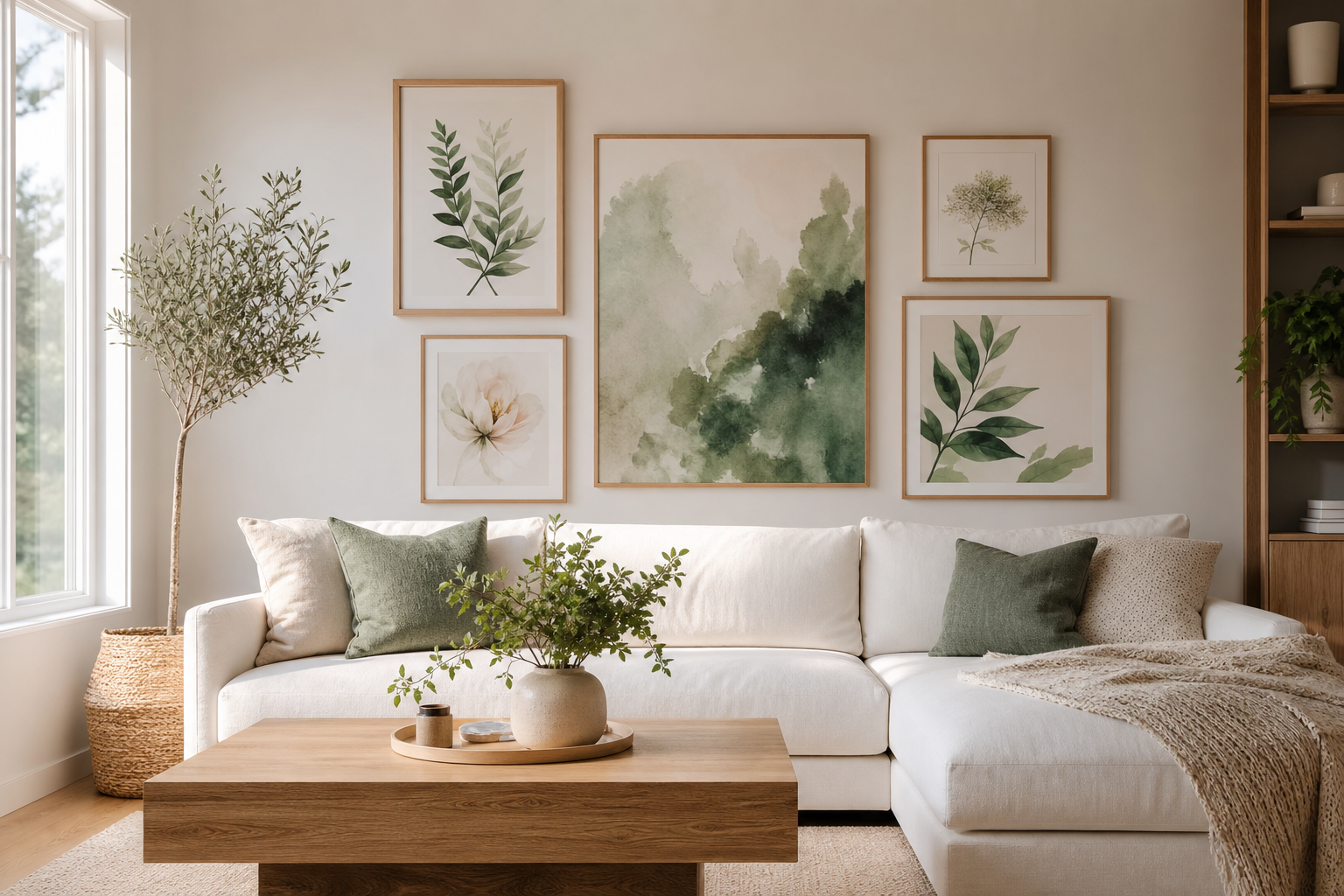
A strong gallery wall usually needs one anchor image, one supporting close-up, one lighter piece with open space, and one contrasting style. This combination avoids a flat, repetitive arrangement.
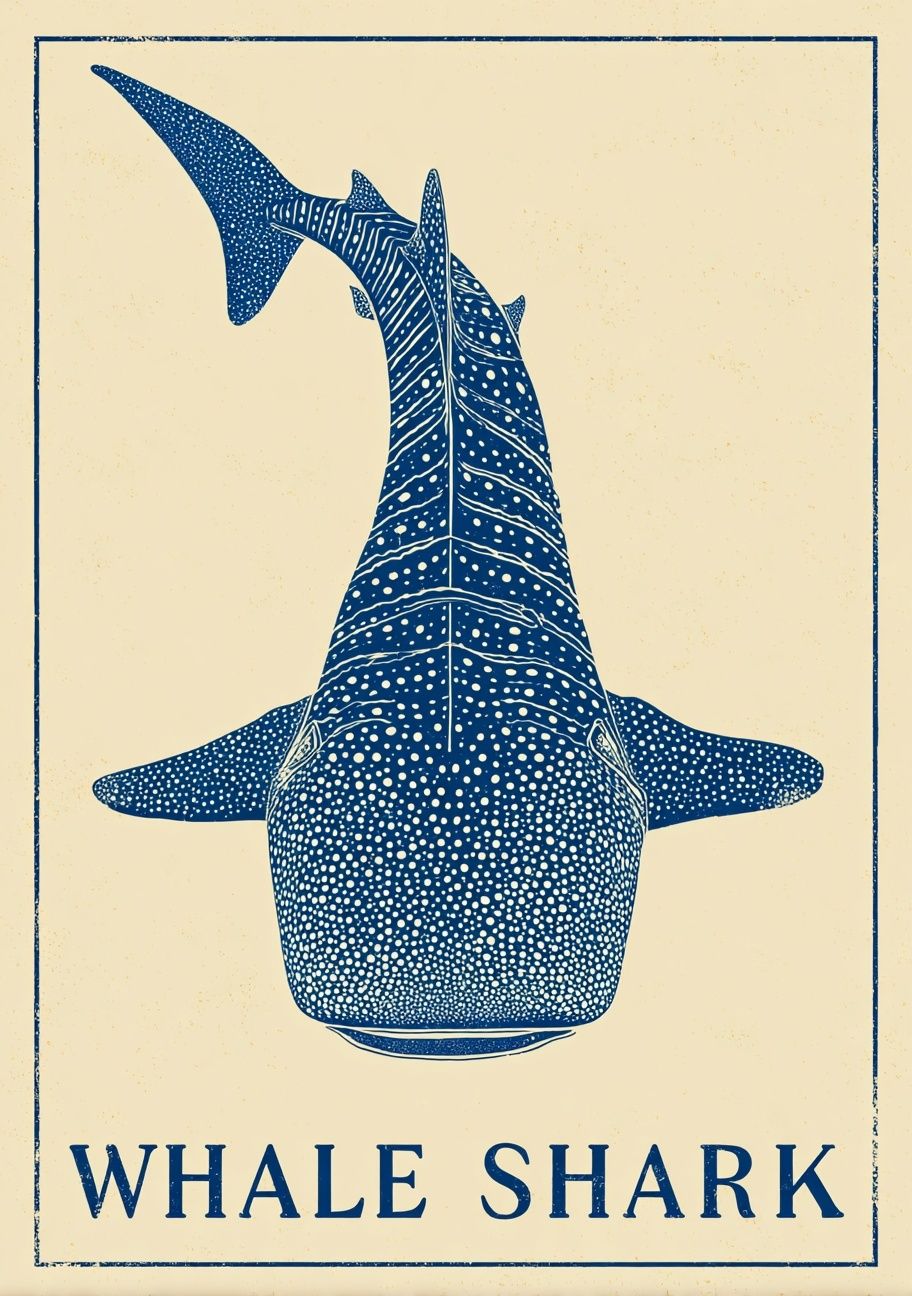
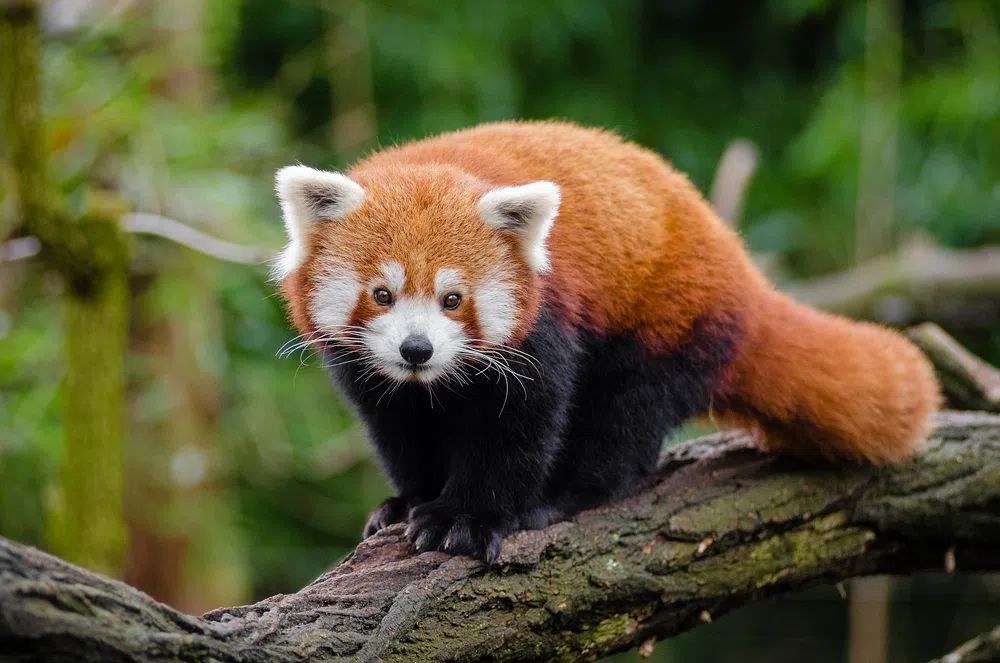
For example, you can pair a graphic zebra, a vintage sea-life print, a wildlife photograph, and a softer illustration. That is why combinations across Zebra Stripes Abstract Print, Red Panda on Tree Branch, and vintage pieces often work better than four nearly identical portraits.
How to Style Animal Posters for a Finished Look
The easiest way to make animal art feel intentional is to repeat one or two cues from the print elsewhere in the room. If the artwork includes warm browns, add walnut, tan leather, or clay ceramics. If it features black-and-white contrast, echo that with a lamp base, stripe cushion, or dark frame. This creates continuity without making the room feel overly matched.
Texture matters just as much as colour. Animal subjects naturally suggest tactile interiors, so combine the wall art with linen, bouclé, wool, cane, unfinished wood, or stone. Even one textured throw and one natural-fibre rug can make the whole composition feel more grounded.

Lighting is the finishing step most people skip. If you have one statement piece, position it where it catches indirect daylight, or add a picture light or wall lamp 15 to 25 cm above the frame. The goal is not brightness alone — it is controlled emphasis. Animal posters with rich detail, especially fur, water, or vintage line work, look stronger when the surface is lit evenly.
Final Thoughts: Choosing Animal Posters You’ll Love Long Term
The best animal posters are not only beautiful on day one — they still make sense when your furniture, paint colour, or styling details change. Choose a subject that suits the room's mood first, then refine with colour and frame finish. That order leads to artwork that feels anchored rather than trend-driven.
If you want flexibility, start with one timeless wildlife piece and build around it slowly. A zebra, whale, or wolf in a strong composition can carry a room for years, while smaller companion prints let you refresh the look with very little effort.
Frequently Asked Questions
What frame colour works best for animal art?
Black suits high-contrast photography and graphic prints, oak adds warmth to vintage and neutral pieces, and white keeps colourful art feeling light. Match the frame to the room's finishes, not only the print.
Can I mix animal posters with botanical or landscape art?
Yes — this usually makes the arrangement feel more collected. Keep one shared element, such as a muted palette, black frames, or a common subject connection to nature.
How do I hang art safely in a rental home?
For smaller frames, use removable picture strips rated for the frame weight. For larger pieces above 50x70 cm, use proper wall hooks or anchors if your lease allows it.
Are animal prints suitable for small rooms?
Yes, but choose one strong piece instead of several tiny ones. A single 50x70 cm or 70x100 cm print often makes a small room feel more finished than a scattered arrangement.
What pairs well with animal posters in a nursery?
Soft stripes, simple wooden shelves, neutral textiles, and one or two gentle accent colours work best. Keep the palette restrained so the artwork remains the focal point.