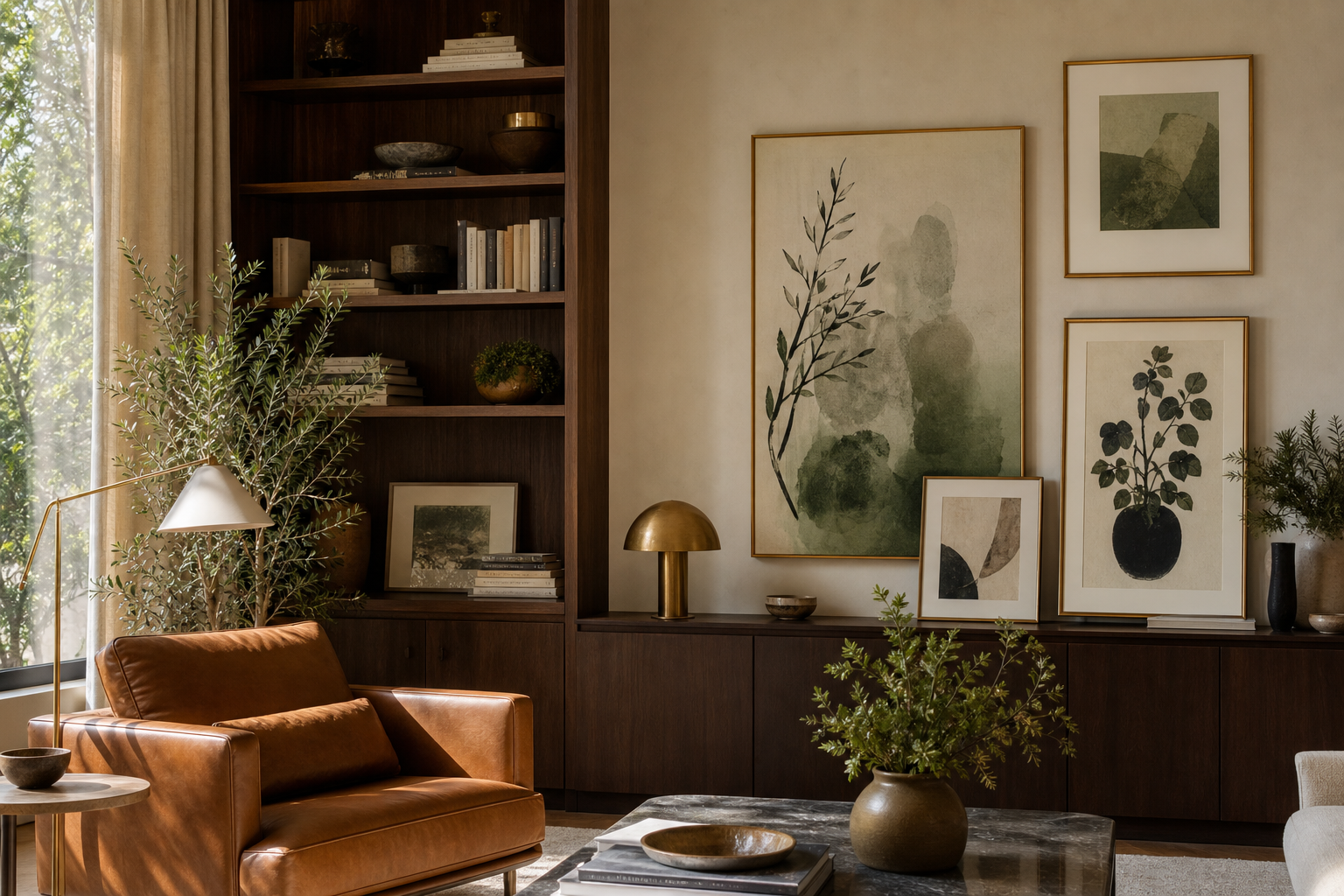
Vintage poster collecting sits at the intersection of design, history, and instinct. A strong piece can carry the graphic sharpness of a great logo, the cultural weight of an artifact, and the decorative power of serious wall art. That mix is why collectors often start with one print and end up reshaping an entire room around it. If you are drawn to our vintage collection, you are already responding to that layered appeal.
Why Vintage Posters Captivate Collectors
The best vintage prints are visually efficient. They were often designed to catch the eye from 3 to 10 meters away, so the composition had to work fast: bold lettering, restrained palettes, and one dominant image. That clarity is exactly why older graphic work still feels fresh in contemporary interiors. A 1930s travel image or a 1950s advertisement can look surprisingly clean next to minimalist art prints or Mid Century Modern pieces.
Collectors also respond to scarcity. A print made for a temporary campaign, event, or seasonal promotion was never intended to survive for 50 or 100 years. Paper was pinned, folded, pasted, rolled, and discarded. That means every surviving example carries a little attrition built into its story. In vintage poster collecting, rarity is often emotional before it is financial — the thrill comes from knowing you may not see the same image again for months.
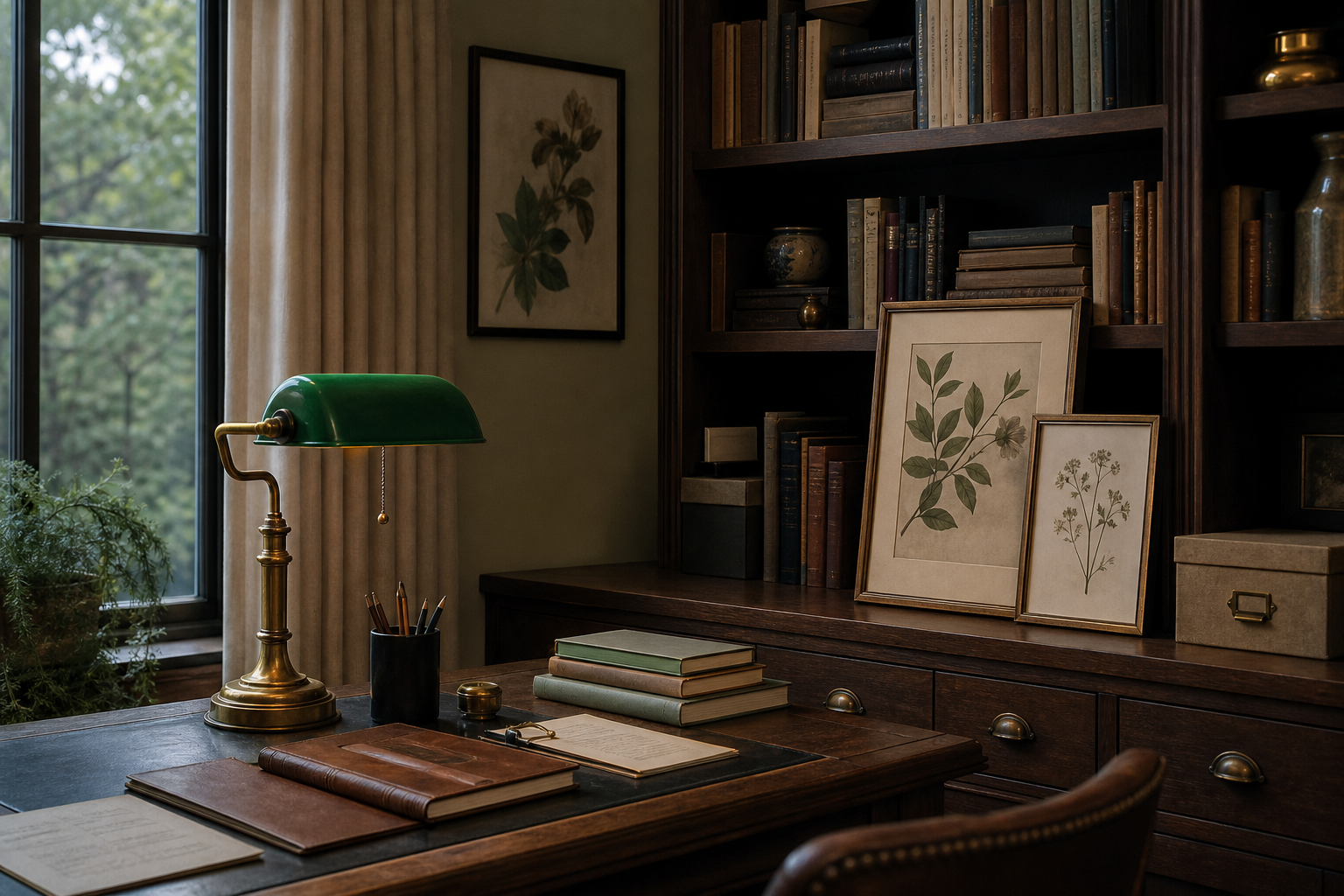
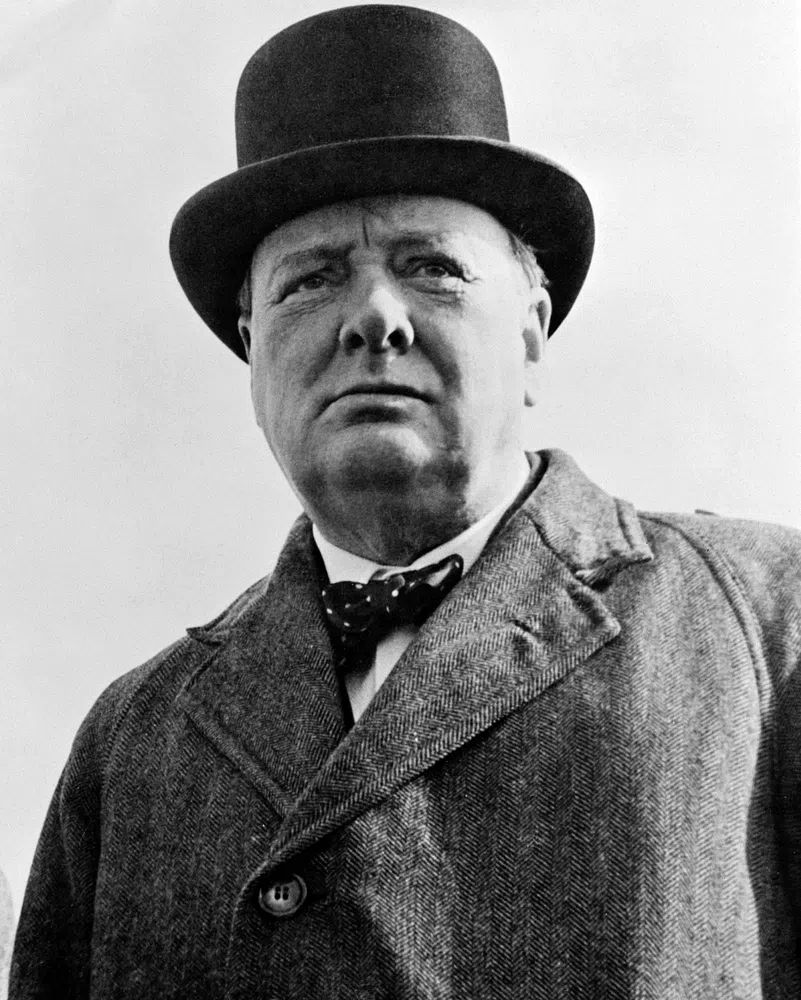
There is also the historical pull. Posters document what people once wanted to buy, watch, fear, admire, or aspire to become. A piece like the Winston Churchill portrait print speaks differently than a playful image such as the vintage woman with banana phone print. One feels political and commemorative; the other feels witty and surreal. Both give a room a point of view.
What Makes a Poster Valuable
Value usually comes down to seven factors: artist, era, rarity, condition, printing method, provenance, and original purpose. Artist matters because named designers and illustrators create demand beyond the subject itself. Era matters because certain decades — especially the 1920s through the 1970s — are heavily collected across travel, advertising, and portrait formats.
Condition changes price faster than almost any other variable. Two examples of the same print can differ in value by 30% to 70% based on fading, trimming, tears, foxing, restoration, or linen backing. Minor fold wear is often acceptable in older pieces because many originals were distributed folded. Heavy over-cleaning or aggressive touch-up, however, can reduce collector interest.

Printing method is another clue. Older lithographic work often shows richer layering, slight variation in ink density, and a tactile surface that digital reproductions cannot convincingly mimic. Provenance helps when a seller can trace where the print came from — auction house, private archive, estate, or gallery inventory. Even a simple receipt trail adds confidence.
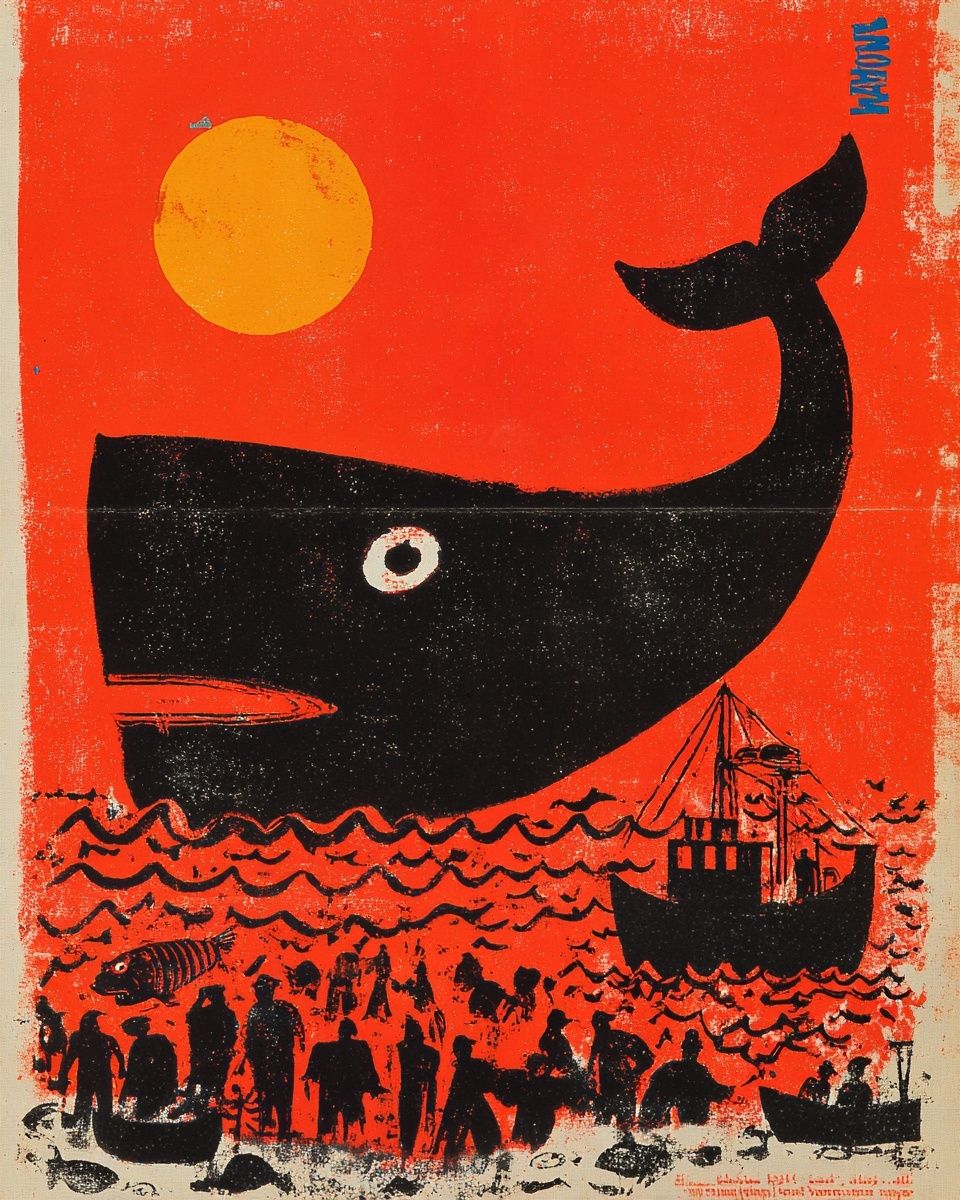
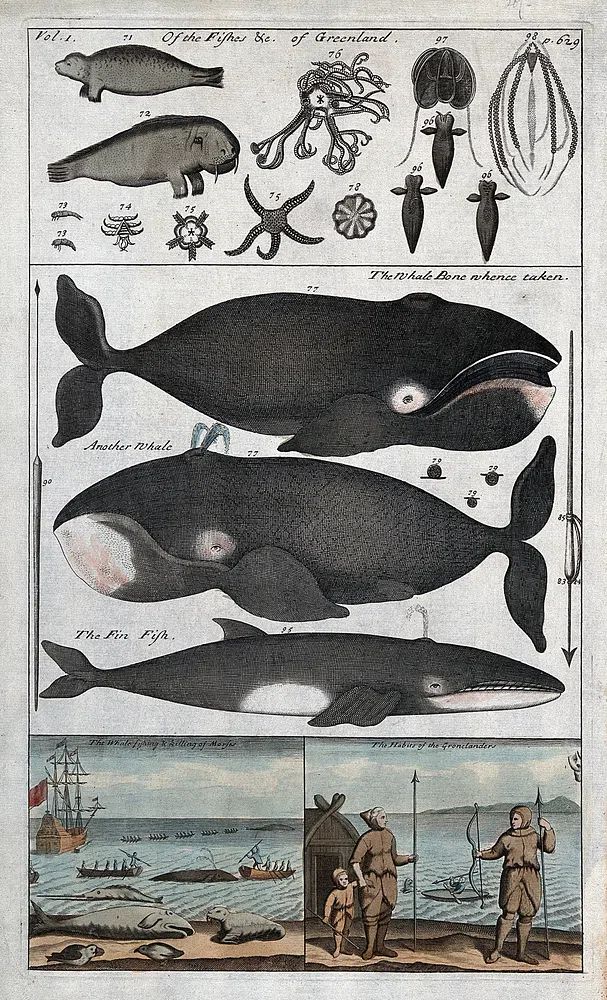
Original purpose shapes value too. A transport promotion, wartime notice, retail advertisement, or exhibition sheet all behave differently in the market. Subjects with cross-category appeal usually perform best because they attract both decorators and collectors. That is why aviation, fashion, political portraiture, and natural history remain strong. You can see that range in Aeronautics Vintage Print and Whale Anatomy and Hunting — both vintage in feeling, but collected for very different reasons.
How to Spot an Authentic Vintage Print
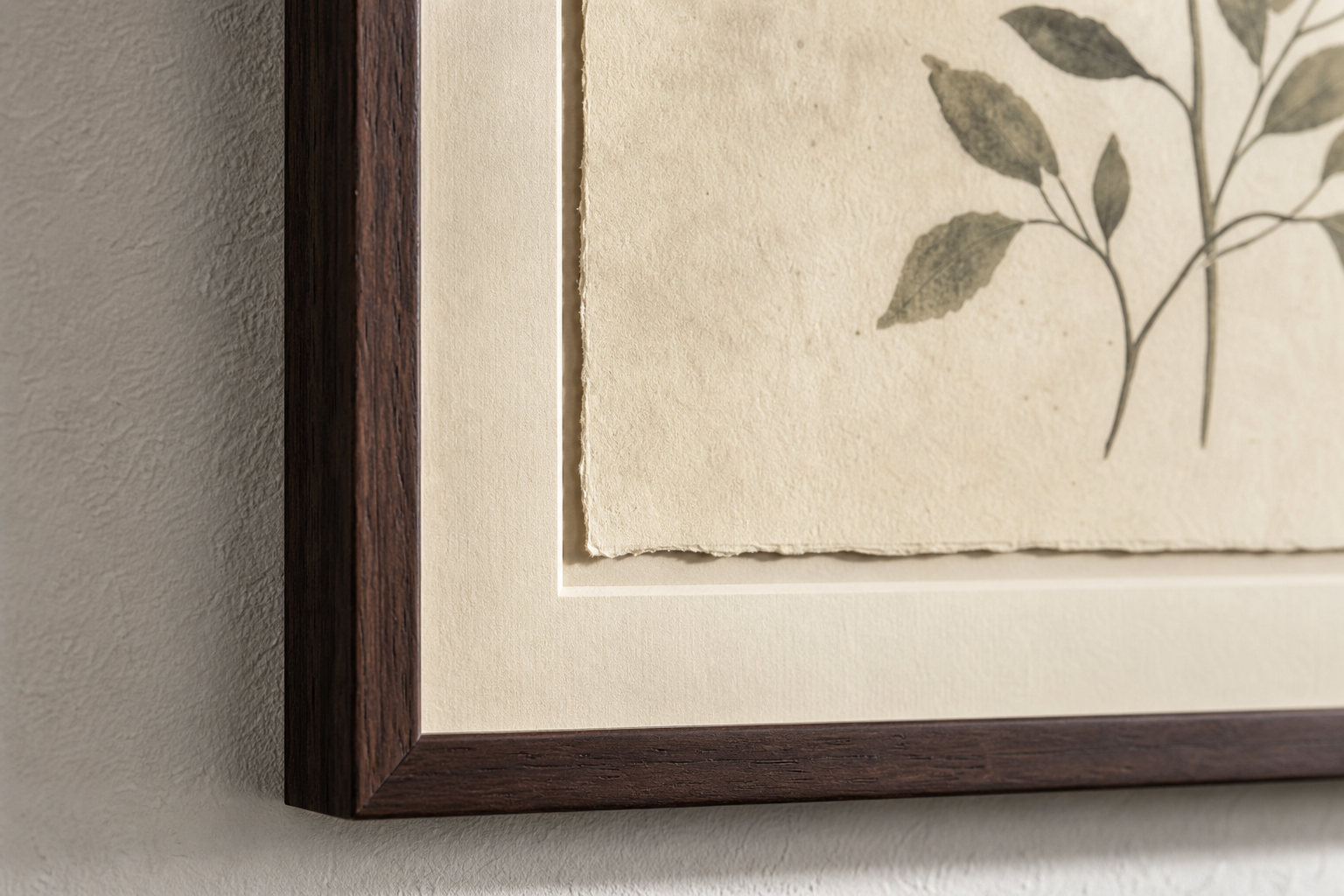
Authenticity starts with paper. Older paper usually shows age in subtle, uneven ways: softened edges, slight toning on the reverse, and a texture that feels more fibrous than slick. Bright white stock is usually a warning sign unless the piece has been professionally conserved or is a later edition. In vintage poster collecting, the back of the print often tells you as much as the front.
Look closely at the print surface. Under magnification, offset reprints can show regular dot patterns, while older lithographic printing tends to look more organic, with less mechanical uniformity. Fold lines can be a positive sign if they make sense for the era and distribution method. So can old stamp marks, printer lines, gallery labels, or handwritten inventory numbers on the back.
Red flags are usually consistency problems. If the paper looks artificially distressed but the edges are perfectly machine-clean, be careful. If the image claims to be mid-century but uses modern digital gradients or pixel-sharp type, be careful. If the seller cannot provide exact dimensions, printing details, or photos of the reverse, be careful. A genuine seller should be able to tell you whether a piece is an original, later edition, or reproduction within one or two sentences.
Building a Collection With Intention
A strong collection needs a filter. Most collectors do best when they choose one lane first: travel, portraiture, advertising, political history, natural science, or typography. That gives the collection shape and prevents impulse buys that do not speak to each other on the wall. Vintage poster collecting becomes far more satisfying when each new acquisition either deepens a theme or adds contrast deliberately.
If you like structured, scholarly imagery, natural-history pieces create immediate cohesion. If you prefer social atmosphere, portrait and lifestyle images work better. If you want a room to feel witty and conversational, advertising and text-based works are often strongest. Browse across retro typography prints and fine art prints as well — they can complement a vintage arrangement without making it feel like a costume set.
One useful rule is the 70/20/10 approach. Let 70% of your collection follow one core theme, 20% introduce a secondary mood, and 10% act as the surprise piece. For example, a collector centered on scientific and maritime imagery might add one eccentric portrait to stop the arrangement from feeling too academic.
That kind of contrast is what makes a wall memorable. A room anchored by structured diagrammatic work can benefit from something softer or stranger, such as the Ethereal Woman with Pot print or the Elegant Woman Portrait print.
Framing, Preserving, and Displaying Your Finds
Good framing protects value. Use acid-free backing, acid-free hinges or archival corners, and UV-protective glazing whenever possible. Standard glass is fine for budget work, but museum or conservation glass blocks a much higher percentage of UV light and reduces long-term fading. If a print matters to you, frame it once and frame it properly.
Avoid hanging valuable paper in direct south-facing sunlight or in rooms with humidity swings above roughly 55% to 60%. Kitchens and poorly ventilated bathrooms are risky. The safest range for paper storage and display is moderate and stable — around 18 to 24°C with relative humidity near 40% to 50%. Even beautiful prints can cockle, fade, or fox if the environment constantly shifts.
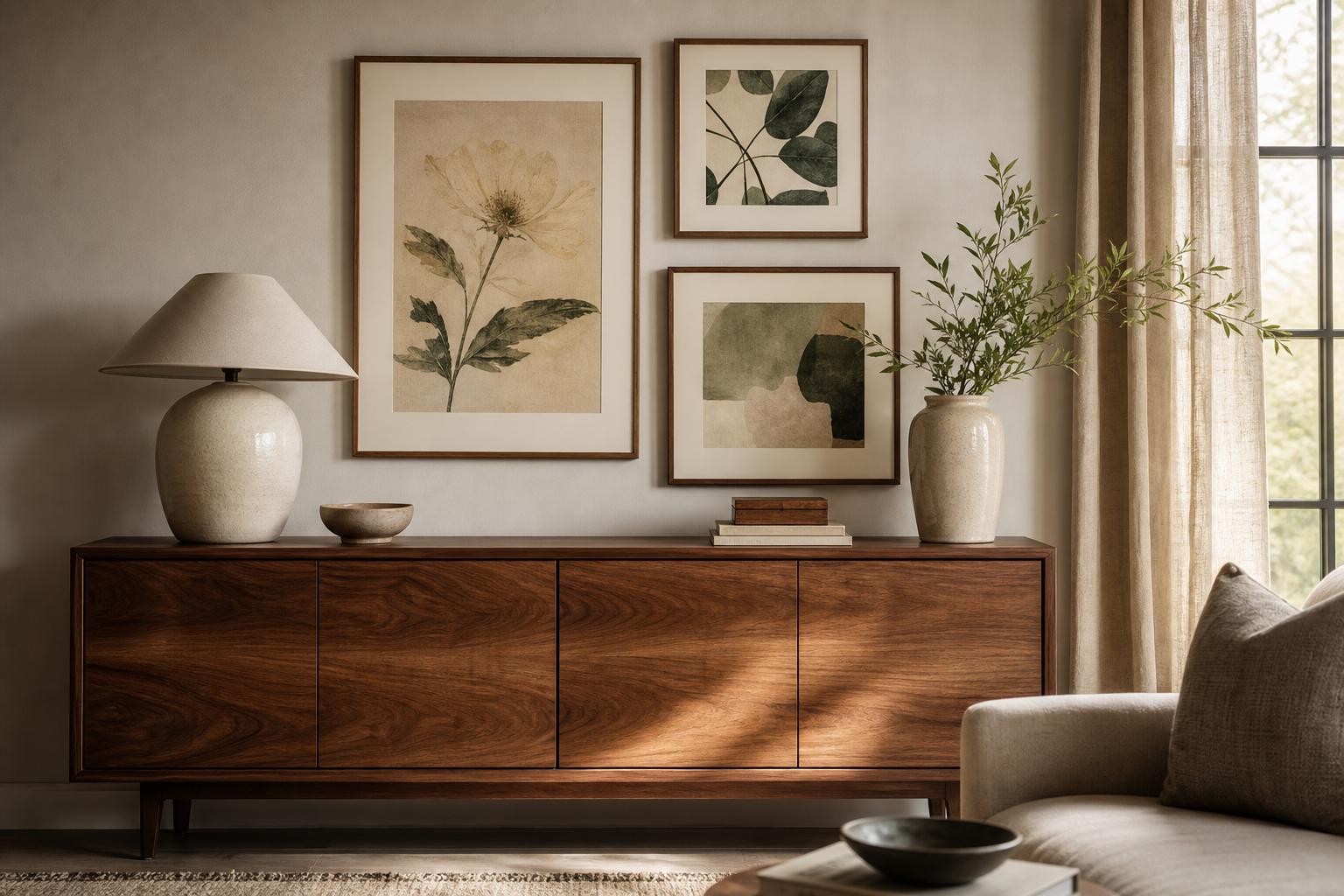
Display style matters too. Larger pieces — around 50x70 cm or 24x36 inches — can stand alone above a console or bed. Smaller works, such as 30x40 cm or 40x50 cm, look stronger in groups of three or four with 5 to 8 cm spacing between frames. If you are mixing eras, keep frame finishes consistent: black wood, walnut, or muted brass are usually the safest options.

When styling a room, pair expressive vintage imagery with quieter furnishings. A busy gallery wall works better against solid upholstery, plain rugs, and simple ceramics. If you want to mix old-world character with modern calm, pieces from Elegant Woman with Cocktail can sit comfortably beside restrained works from Vintage Bicycle in Nature.
Shop Smarter and Enjoy the Hunt
The best sources are specialist dealers, reputable online vintage sellers, estate sales, flea markets, design fairs, and auction platforms with detailed condition reports. Ask for front and back photographs, exact measurements, close-ups of corners, and any available provenance before buying. A seller who hesitates on basic information is not saving you time.
Set a budget by tier. For example, you might allocate 60% to one anchor piece, 30% to supporting works, and 10% to framing or conservation. That structure keeps you from spending everything on impulse finds that do not fit your long-term direction. In vintage poster collecting, patience usually improves both quality and coherence.
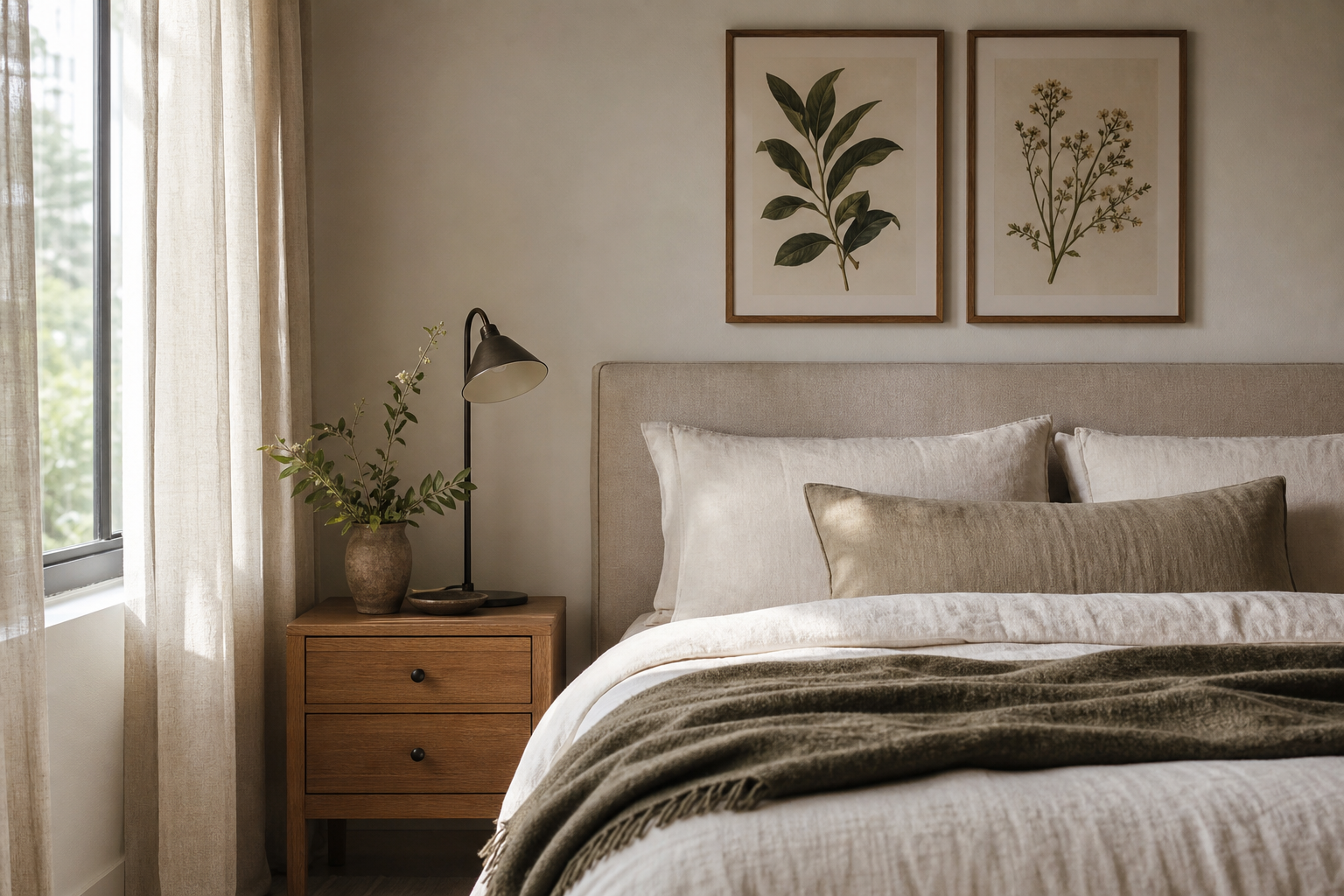
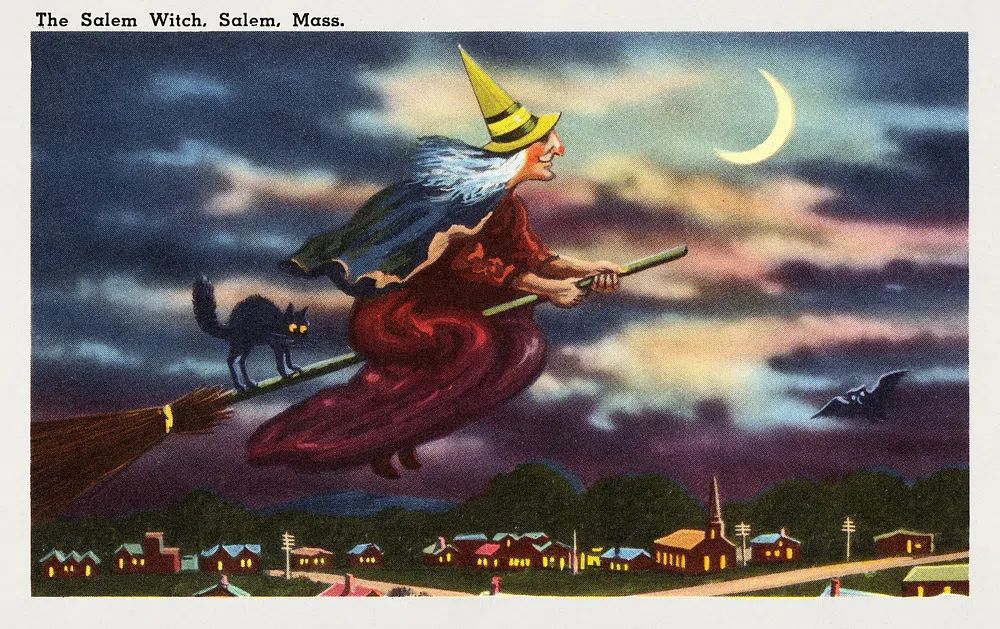
It also helps to buy with your walls in mind. Before purchasing, note whether the print needs 2 meters of viewing distance, whether it will sit at eye level, and whether its palette supports the room. A dramatic historical portrait can anchor a study, while lighter decorative pieces often suit bedrooms or hallways better. Explore The Salem Witch print if you want something moodier, or Radiant Woman for a softer decorative note.
Final thoughts
Vintage poster collecting rewards attention. The more closely you look at paper, print quality, subject matter, and condition, the more confidently you will buy — and the better your collection will feel over time.
Start with a focus, frame with care, and leave room for the unexpected piece that changes the whole wall. The hunt is part of the value, but the real payoff is living with art that carries history into the room.