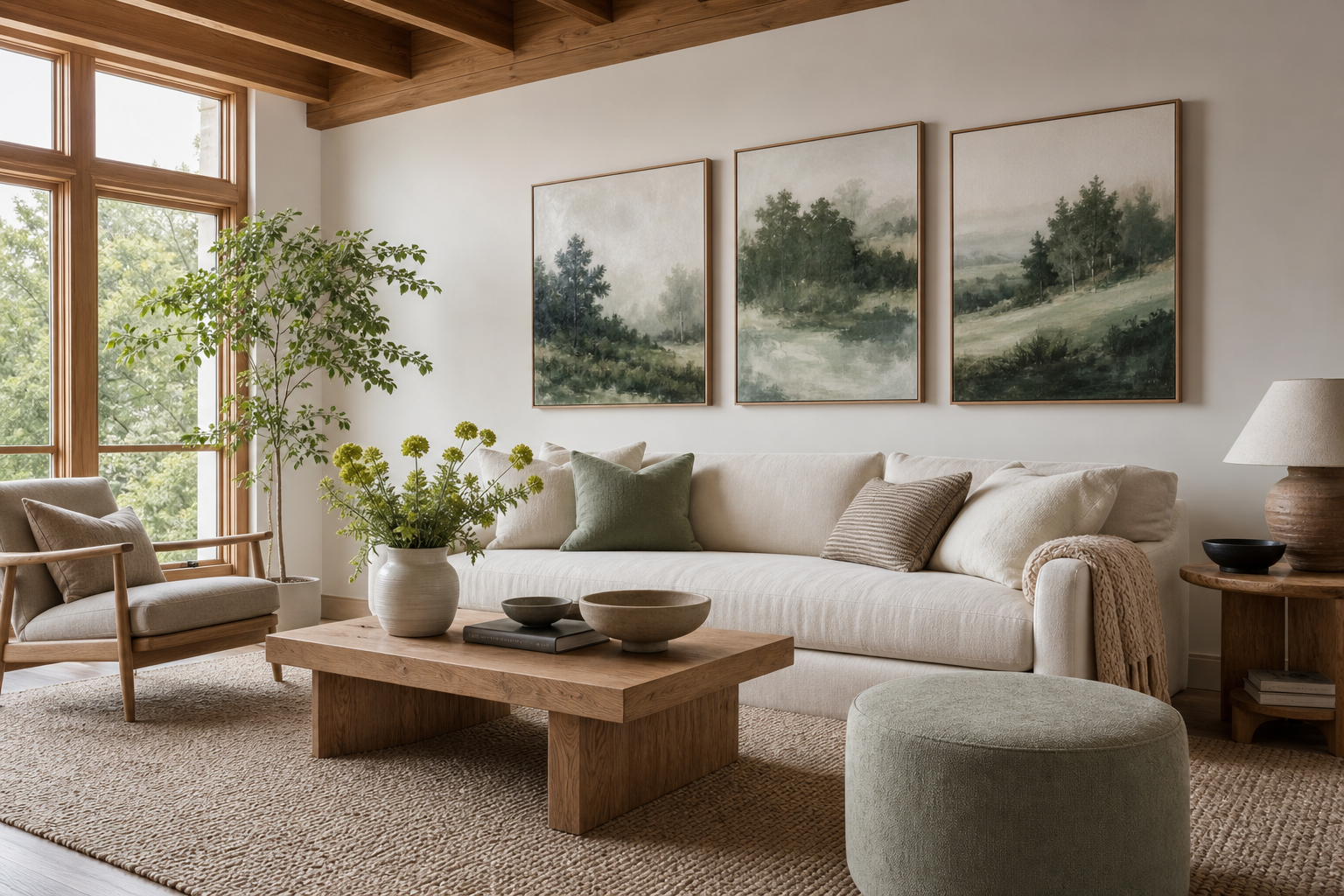
Nature wall art works because it adds visual softness without making a room feel busy. Images of forests, coastlines, leaves, mountains, and water tend to use familiar forms and lower-contrast palettes, which the eye reads quickly. In practical terms, that means a wall can feel finished and layered without the tension that comes from harsher geometric patterns or heavy graphic blocks.
Why Nature Wall Art Feels So Restful
One reason nature-focused pieces feel calming is color distribution. Greens, stone neutrals, foggy blues, and warm earth shades usually sit in the mid-to-low intensity range, so they support a room instead of dominating it. If your furniture already includes beige, walnut, ivory, olive, or charcoal, pieces from our Nature collection or Botanical collection will often blend in with very little adjustment.
Natural imagery also brings movement that is gentle rather than sharp. Tree branches, water ripples, cloud cover, and meadow lines create organic variation. That matters in modern homes where straight edges are everywhere — kitchen cabinets, media units, desks, windows, and shelving. A single landscape or floral study can offset those hard lines and make the whole room feel less rigid. That is why strong nature wall art ideas often start with contrast in shape, not just color.
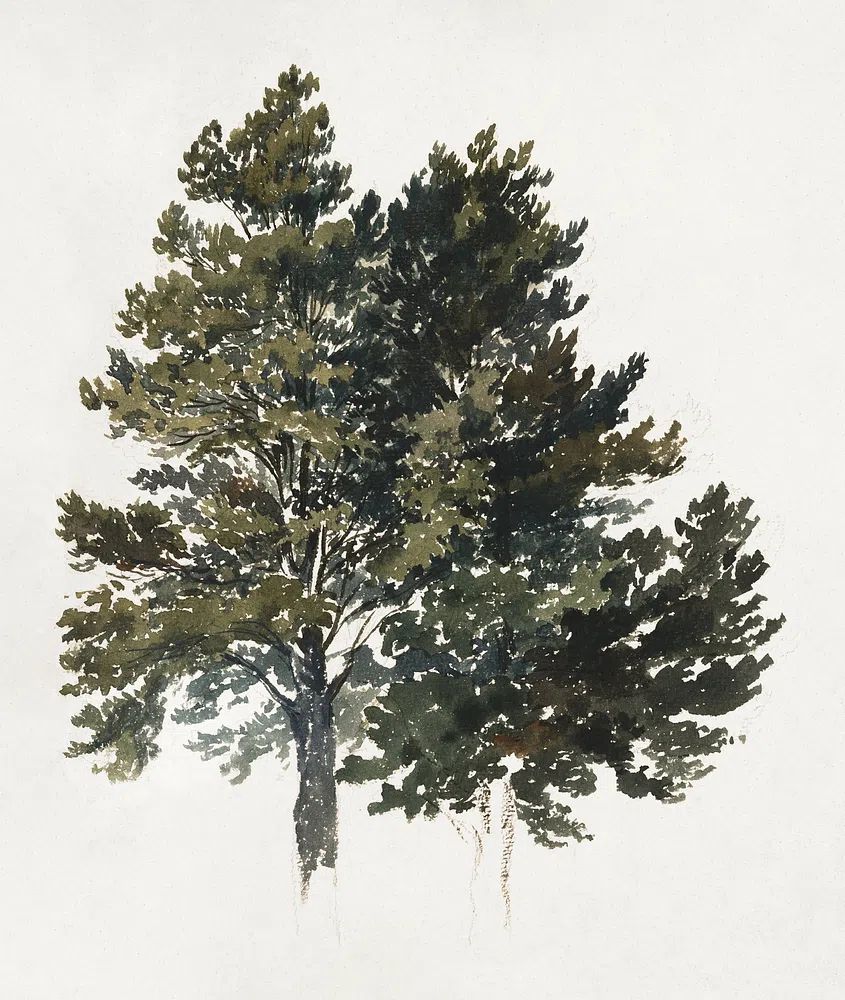
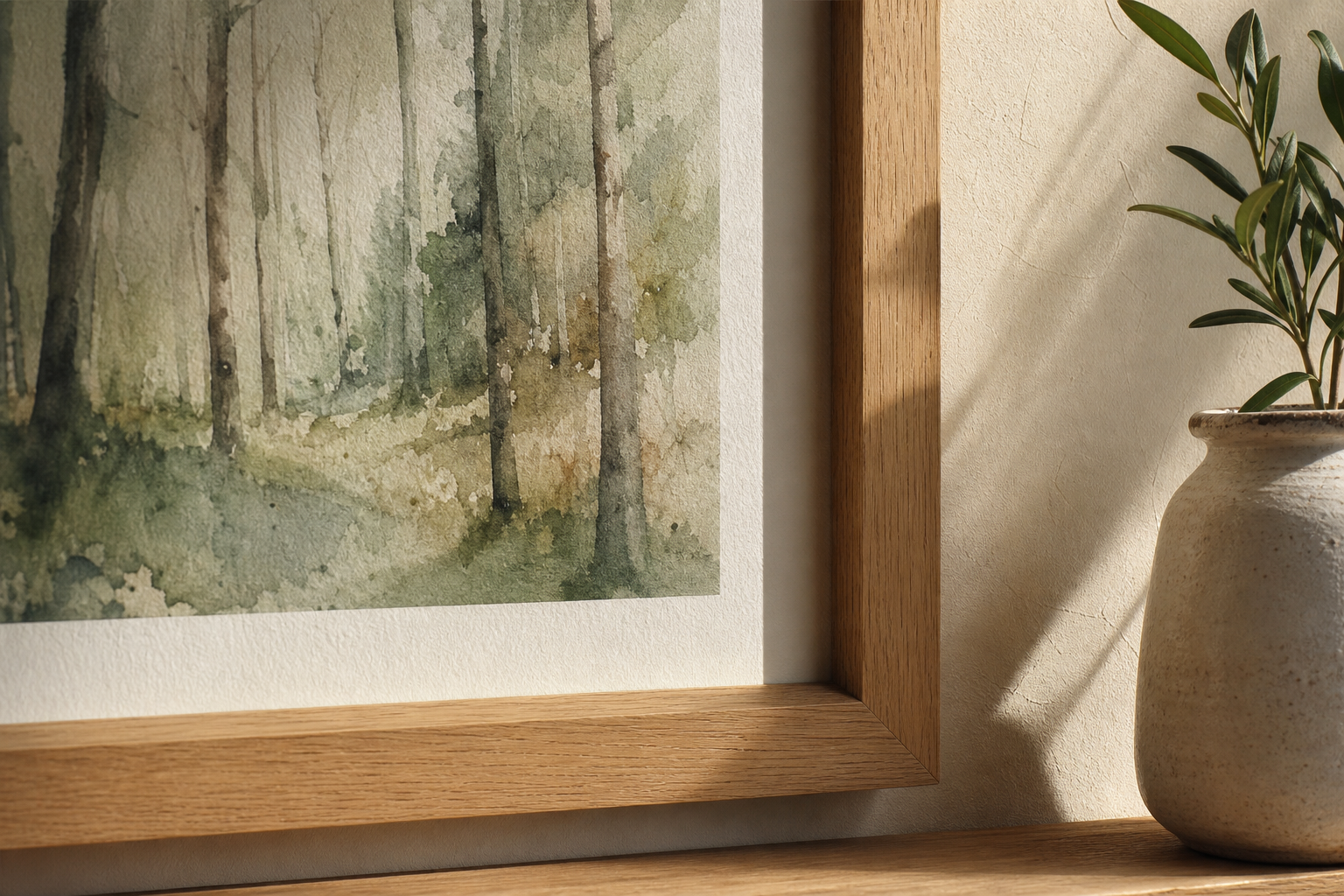
Watercolor and photography are especially effective if you want a quieter look. Watercolor edges dissolve into the wall more easily than bold graphic prints, while nature photography can add realism and depth. A piece like Majestic Trees — Watercolor Print suits homes that need softness, while scenic images from our nature photography wall art selection bring more detail and atmosphere.
Choosing a Nature Style That Matches Your Space
Botanical art is the easiest entry point if your room already has a clean, styled look. Leaves, stems, florals, and plant studies work well in spaces with lighter palettes, curved furniture, and natural fibers such as linen, jute, and cotton. In a Scandinavian or pared-back room, botanical pieces can replace decorative clutter — one 50x70 cm print above a console often does more than six smaller accessories.
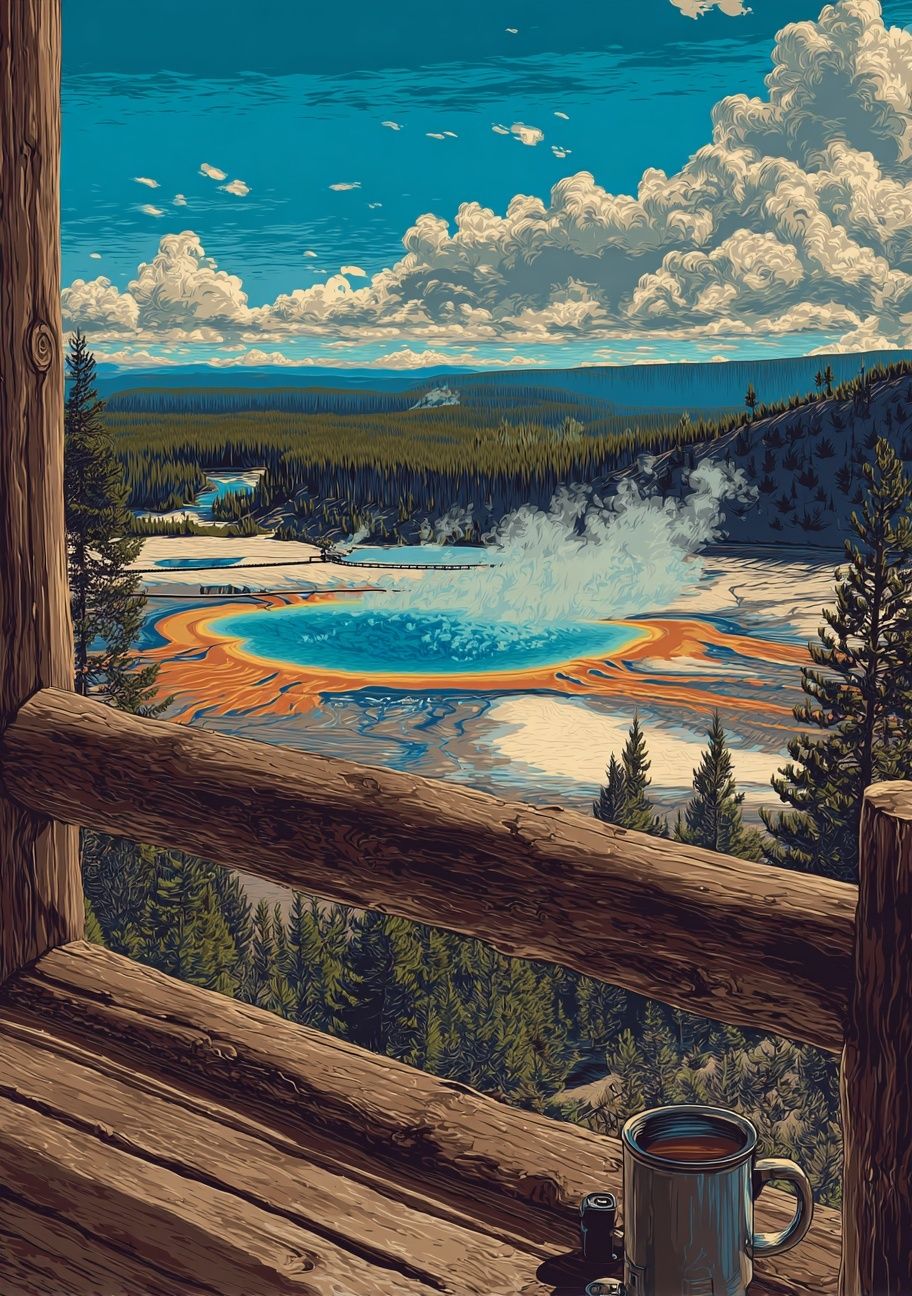
Landscape art suits rooms that need depth. Mountain scenes, lakes, forest paths, or open fields create a visual horizon, which can make narrower rooms feel wider. If you are styling a living room with one main wall, landscape compositions from our landscape-inspired nature prints tend to anchor the seating area well, especially in 70x100 cm or 61x91 cm formats.
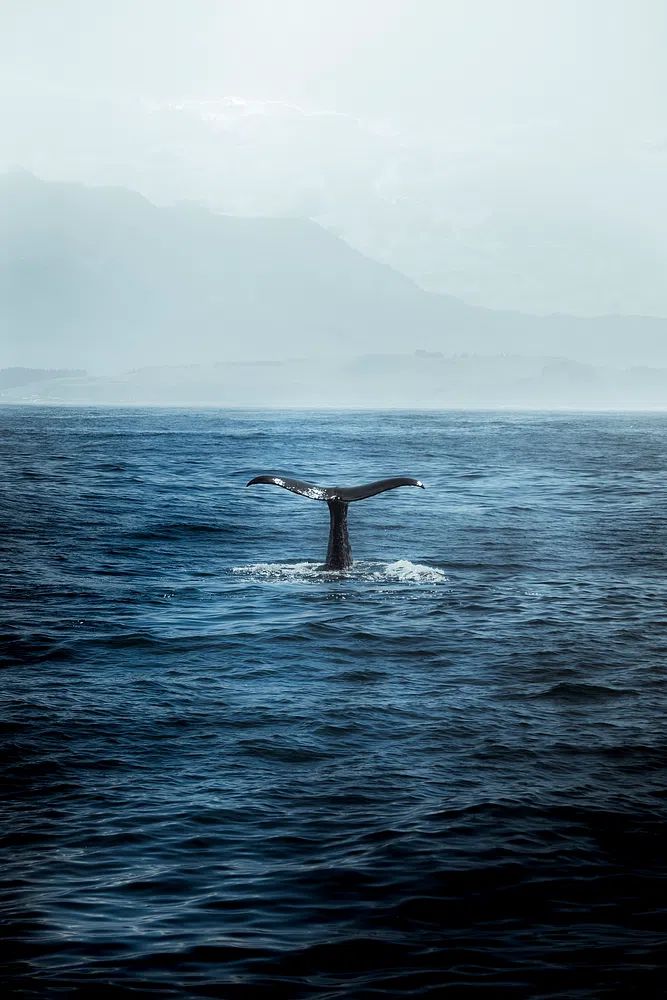
Wildlife art needs a little more intention. It adds character quickly, so it is best when the subject matches the room mood. Whales and birds feel expansive and airy; wolves and woodland animals feel moodier and more dramatic. If you want a focal point in a darker office or a masculine hallway, Wolf in the Forest is a stronger choice than a delicate floral.
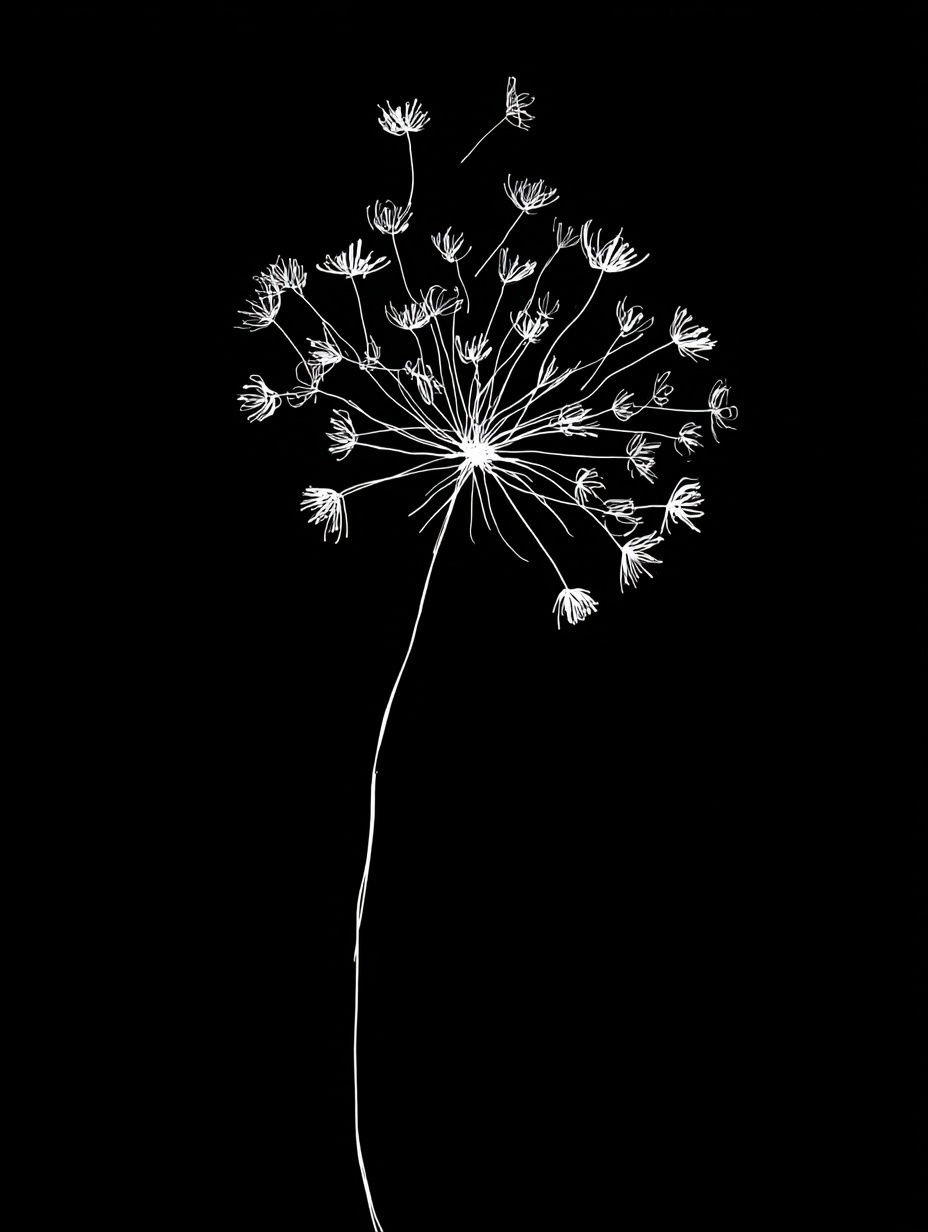
Minimal nature art is ideal when your room already has texture. Think limewashed walls, boucle upholstery, oak furniture, or travertine surfaces. In those interiors, simplified pieces from our Minimalist art prints keep the palette calm. A clean silhouette like White Flower Silhouette works particularly well in bedrooms and home offices where visual noise should stay low.
Colours, Texture, and Mood
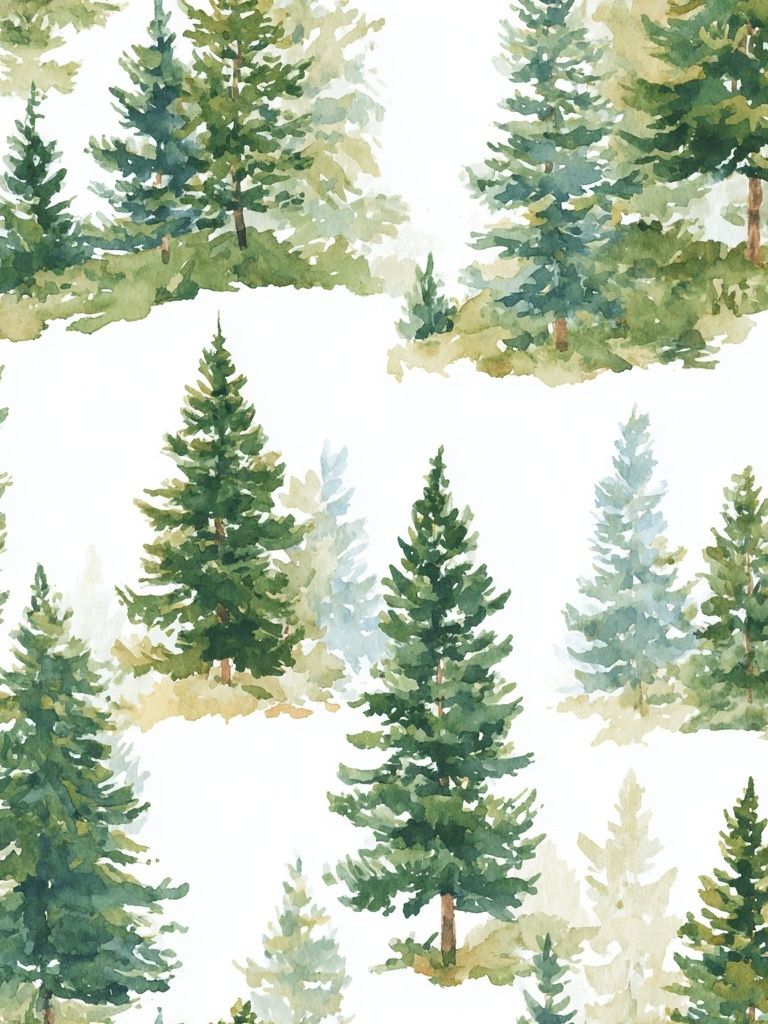
The most reliable palette for nature wall art ideas is a 60-30-10 balance. Use about 60% neutral base tones in the room, 30% supporting natural shades like sage, sand, moss, clay, or faded blue, and 10% darker contrast through black frames, bronze accents, or deeper green details. This keeps the room grounded while still letting the art read clearly from across the space.
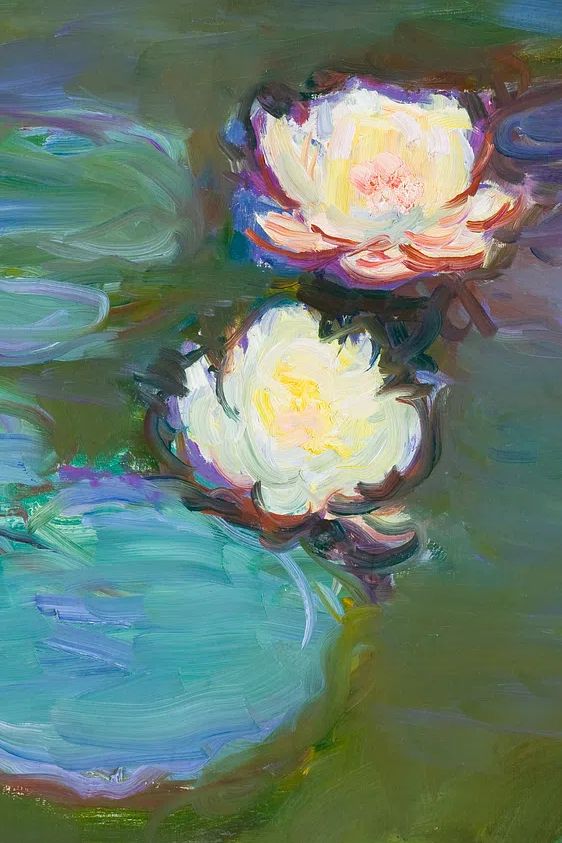
Muted green is the easiest colour to work with because it pairs with both warm and cool materials. Sage works with oak and cream; forest green suits walnut and black; eucalyptus shades tie in nicely with brushed nickel, concrete, and soft grey textiles. If you want more light reflection, choose water-based scenes or sky-led compositions with pale blue and off-white. Our Water Lilies — Fine Art Print is a strong example of nature imagery that adds colour without becoming loud.
Frame choice changes the mood more than many people expect. Oak or ash frames make nature pieces feel warm and relaxed. Black frames increase contrast and make pale landscapes look more contemporary. White frames can work in bright rooms, but they need enough wall contrast to avoid disappearing. If your walls are white or light greige, a natural wood frame usually gives better definition than white. Matte paper or a soft non-glare finish also helps preserve that calm effect — glossy surfaces reflect windows and lamps, which can make detailed landscapes harder to read.
How to Style Nature Prints Room by Room
In the living room, hang art so the center point sits around 145 cm from the floor, or 15 to 25 cm above the sofa back if you are placing it over seating. Wide horizontal landscapes are especially useful here because they visually echo the shape of a sofa. If the sofa is 200 cm wide, aim for art or a grouped arrangement that spans roughly 120 to 160 cm.
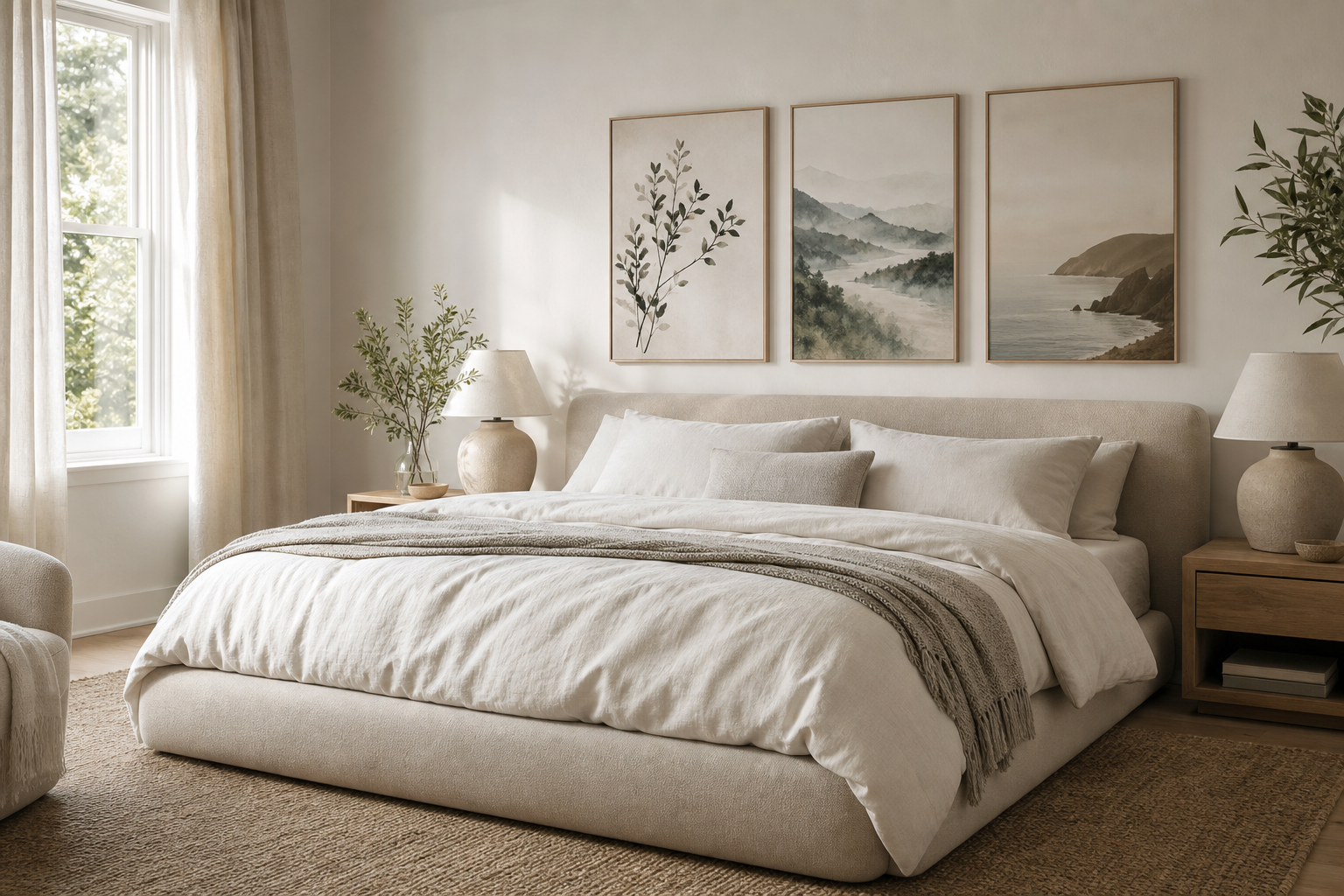
Bedrooms benefit from quieter subjects and softer contrast. Forest mist, botanical silhouettes, still water, and impressionistic florals all support a more restful feel above the bed. A good rule is to keep the total width of the art between 50% and 75% of the bed width. For a 160 cm bed, that means about 80 to 120 cm total. Nature wall art ideas for bedrooms should avoid overly busy wildlife scenes or intense saturation unless the room is otherwise very minimal.
Kitchens and dining areas are good places for brighter countryside or floral scenes because these spaces can handle a little more energy. Tulip fields, open landscapes, and sunlit botanical art work well near breakfast nooks, sideboards, or floating shelves. Hallways, meanwhile, benefit from vertical pieces that pull the eye forward. A sequence of two or three 30x40 cm prints can create rhythm without making a narrow wall feel crowded.
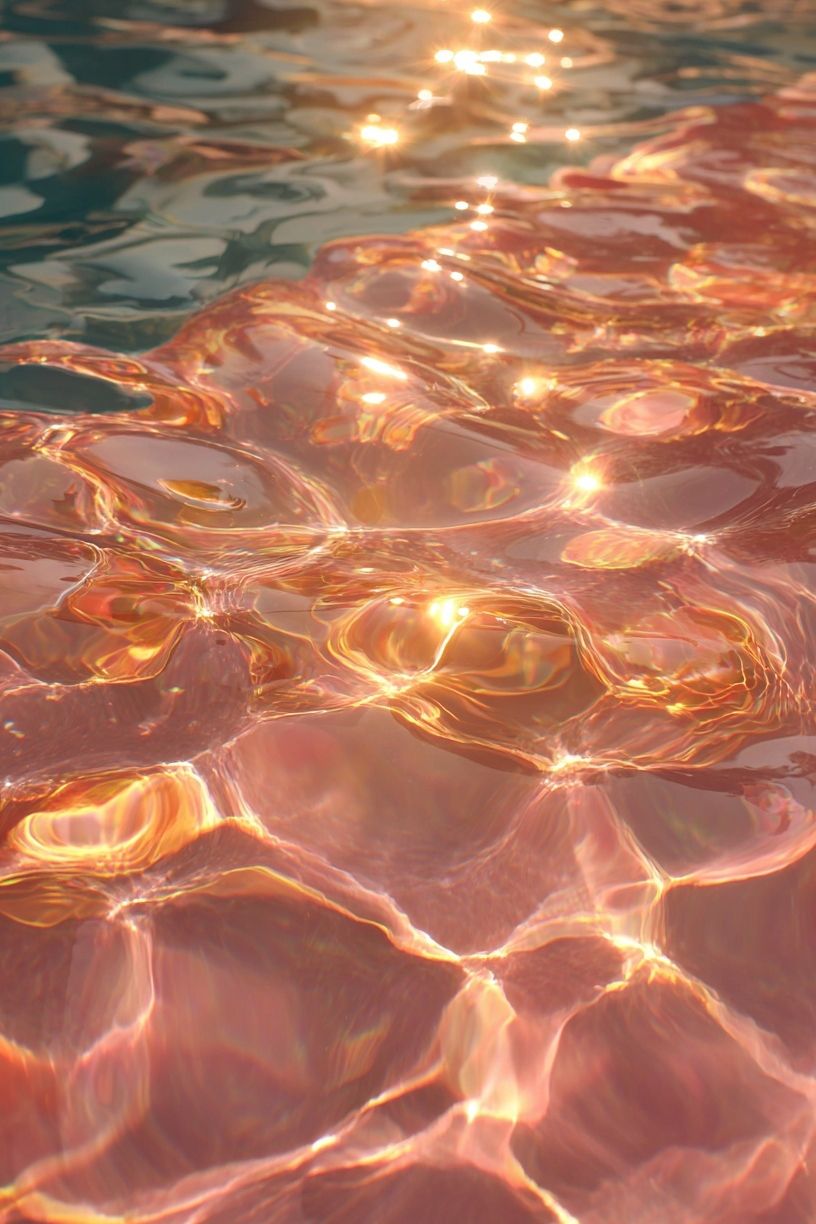
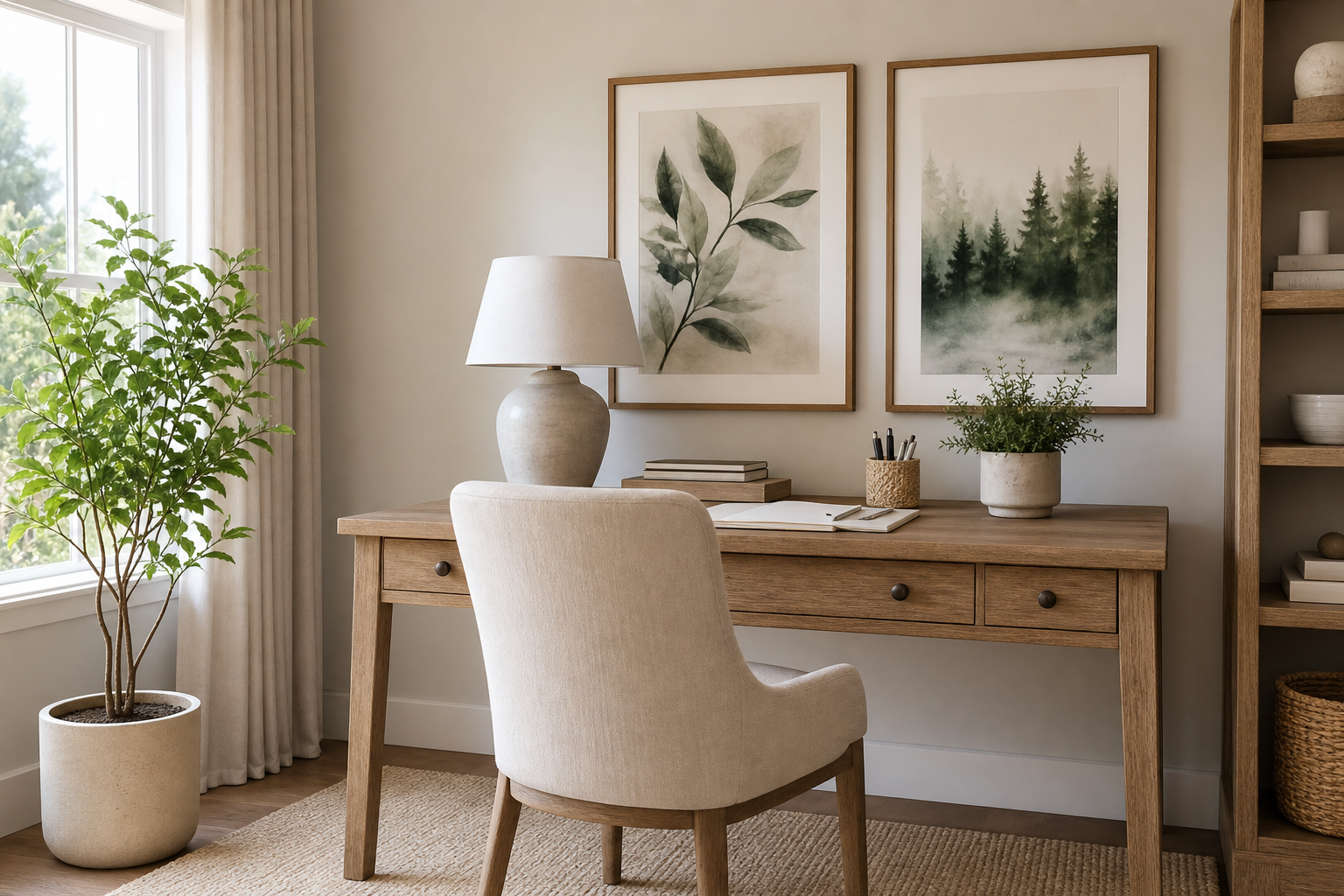
Home offices need nature art that reduces visual fatigue. Water, horizon lines, and airy landscapes are particularly useful behind a desk or on the wall opposite a screen. Pieces like Sunlit Water Surface or Serene Landscape — Watercolor Print can make a work zone feel less clinical and more balanced.
Sizing, Framing, and Gallery Wall Tips
If you want one statement piece, go larger than you think. Small art on a big wall looks accidental. For most living rooms, 70x100 cm or 61x91 cm works well as a single focal point. In bedrooms, a pair of 50x70 cm prints above a queen bed often feels more balanced than one undersized frame. In hallways or stair runs, a vertical sequence in 30x40 cm or 40x50 cm sizes is easier to align and update over time.
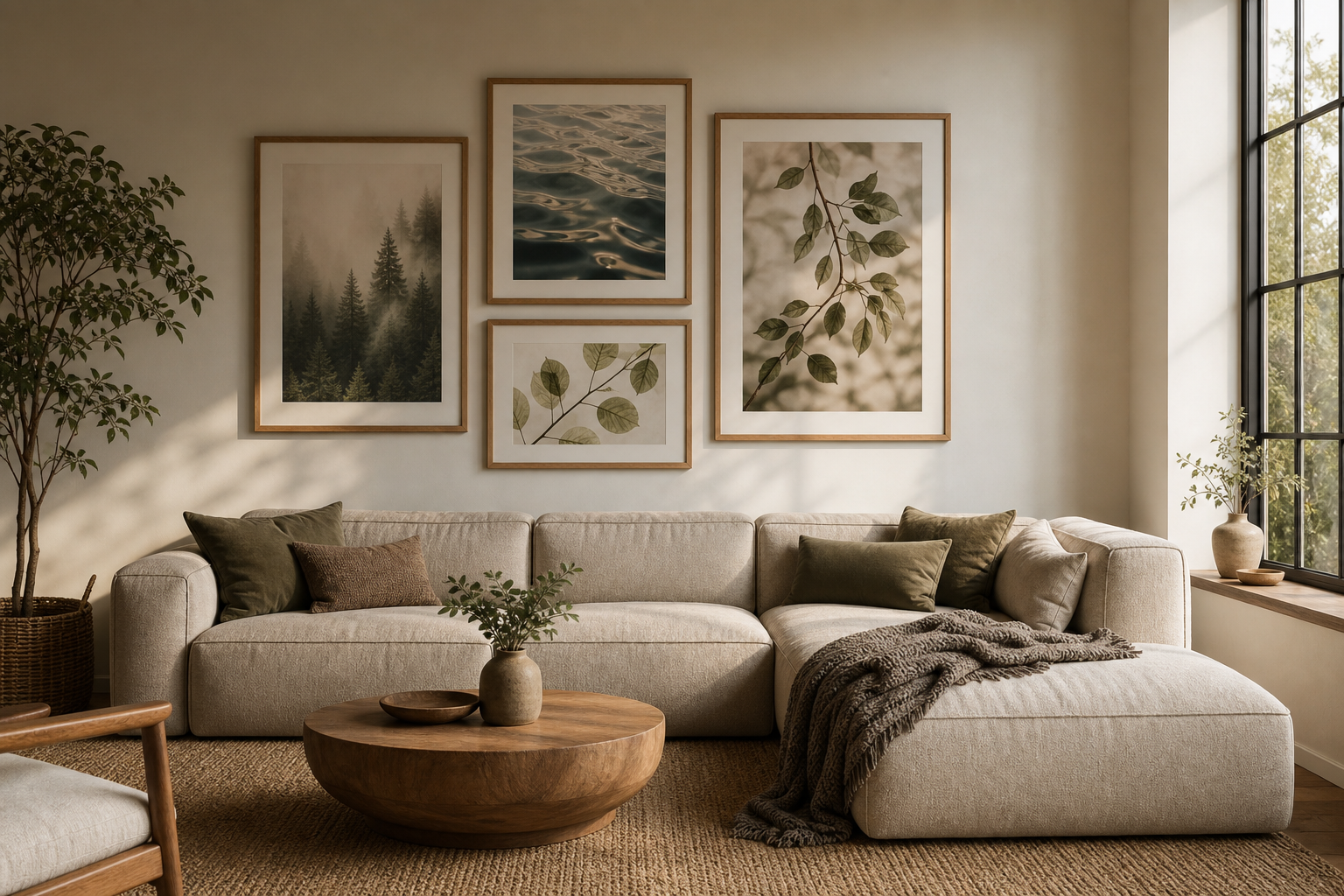
For gallery walls, keep spacing tight and consistent — usually 5 to 8 cm between frames. Wider gaps make a collection feel disconnected. The easiest mix is one visual theme with variation in scale: for example, two landscapes, one botanical, and one minimalist nature print, all sharing either a similar palette or matching frame finish. If you want a collected but not chaotic result, limit yourself to two frame colours maximum.
A practical formula is to start with the anchor piece first. Place the largest frame slightly off-center, then build around it with supporting works. Landscape plus botanical is usually safer than wildlife plus abstract plus floral plus architecture. Cohesion matters more than symmetry. Many of the best nature wall art ideas rely on repeating one or two tones — sage, sand, mist blue, bark brown — across every frame.
Nature Wall Art Ideas for a Calmer Home
The most timeless approach is to choose nature art that echoes your materials first, then your accent colours second. If your room already includes wood, stone, linen, cane, or woven textures, start with landscapes, botanicals, or water-based pieces that repeat those natural cues. If you want a more curated look, combine one realistic photograph, one watercolor landscape, and one simplified botanical print from collections like our Nature range and Fine Art nature-inspired pieces.
Good nature wall art ideas do not need to be complicated. Pick a subject that feels familiar, size it properly for the wall, and use framing that matches the room's warmth level. When the palette is restrained and the scale is right, nature-inspired art makes a space feel calmer, softer, and more finished without losing personality.