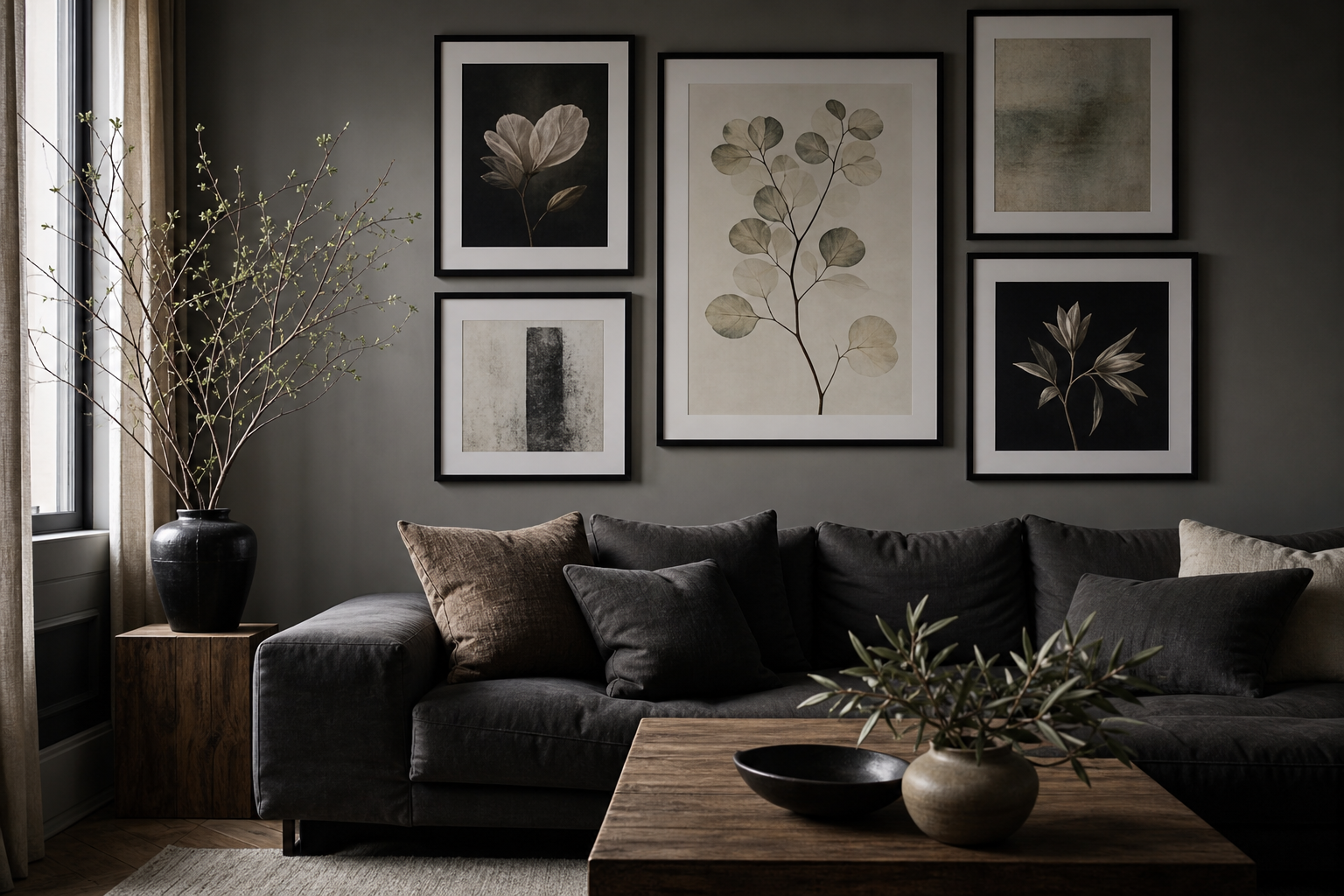
A strong movie poster collection starts with editing, not buying. The best walls usually follow one clear idea: a single genre, a decade, a director, a visual mood, or a color family. Horror fans often do well with a tight run of black, red, and bone tones; classic adventure works better when you mix sepia, faded blue, and cream. If you choose a lane early, every new piece has an obvious test: does it strengthen the story of the room, or just add noise?
Start with a theme that reflects your taste
Genre is the easiest entry point because it gives you visual consistency straight away. A horror-focused wall can combine pieces from our Movies collection with older-style designs from the Vintage collection for a layered, collector feel. That mix keeps the display from looking like a retail rack — newer compositions bring punch, while older graphics add texture and age.
If your taste is broader, build the collection around an era or atmosphere instead. A 1930s to 1950s wall feels elegant when the imagery shares restrained typography, painterly illustration, and worn paper tones. A modern sci-fi wall looks sharper when silhouettes, deep shadows, and electric accents repeat across frames. Even a movie poster collection with mixed subjects can feel unified if 70% of the pieces stay within the same palette.
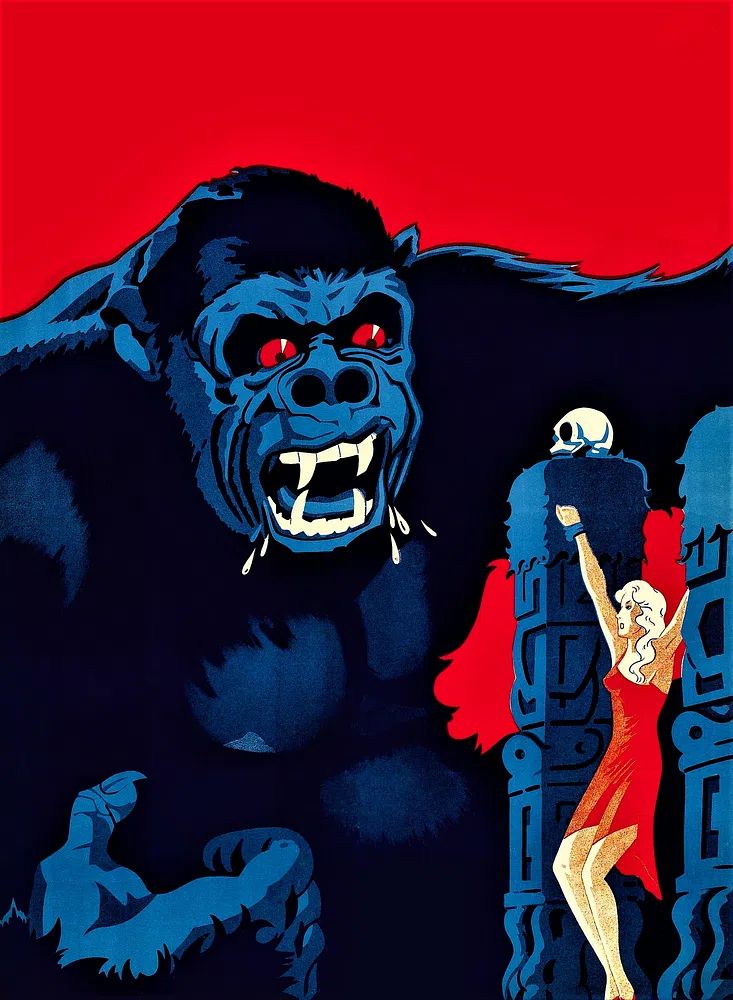
A signature piece helps define the direction. Danish movie poster King Kong is a good example of a collection anchor because it brings vintage cinema energy, strong contrast, and immediate recognition without overwhelming every other frame around it. If you want something darker and more contemporary, the Mysterious Figure in Dark Alley — Sci-Fi Print route gives you a noir edge that can steer the rest of the wall.
Choose posters that feel iconic, not crowded
The fastest way to make a display look cluttered is to choose only the loudest compositions. A better ratio is 1 statement piece for every 2 or 3 quieter works. On a three-frame wall, use one highly recognizable design in the center and flank it with two pieces that carry simpler shapes or darker negative space. On a six- to eight-frame gallery wall, keep no more than 30% of the arrangement in high-intensity reds, yellows, or busy action scenes.
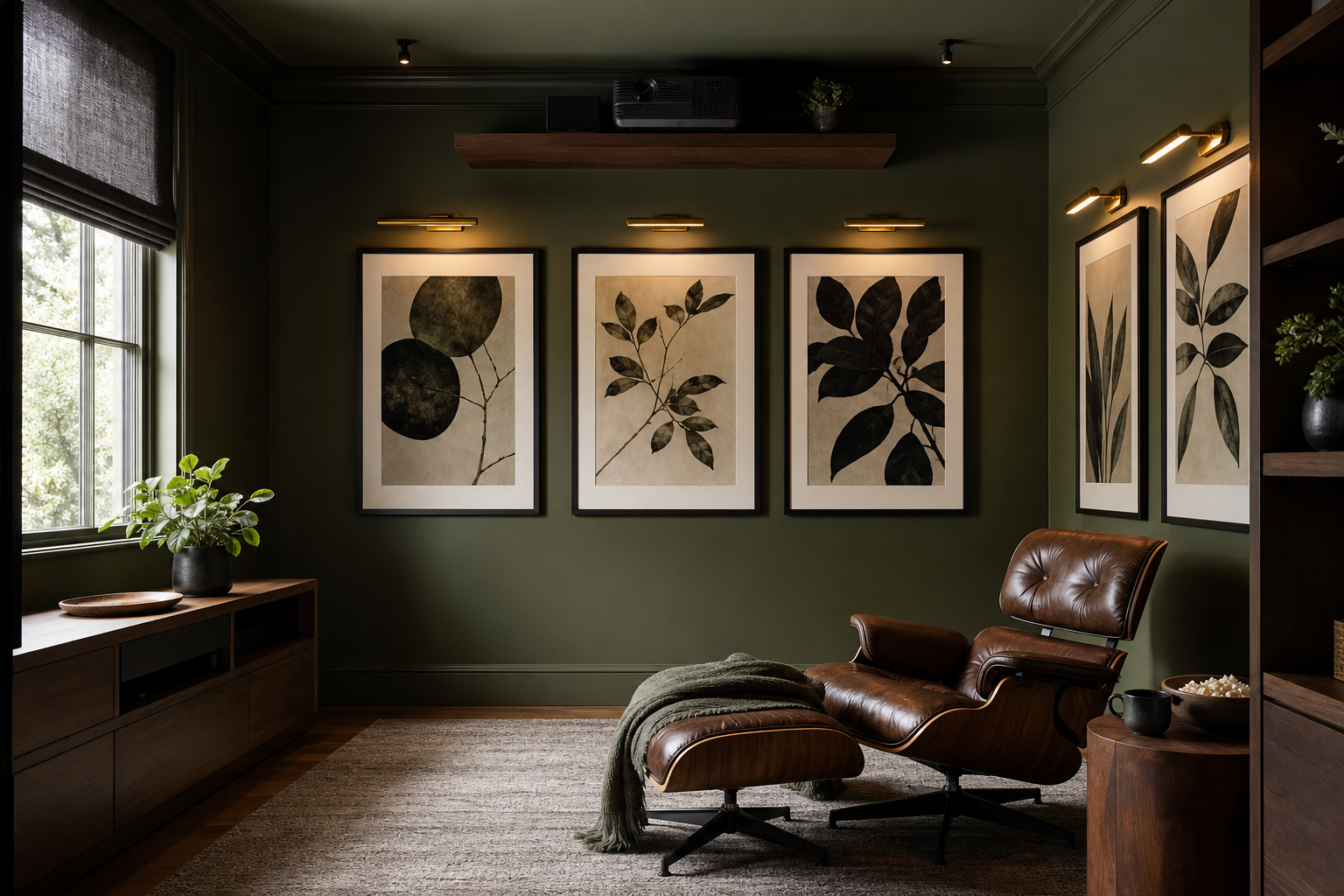
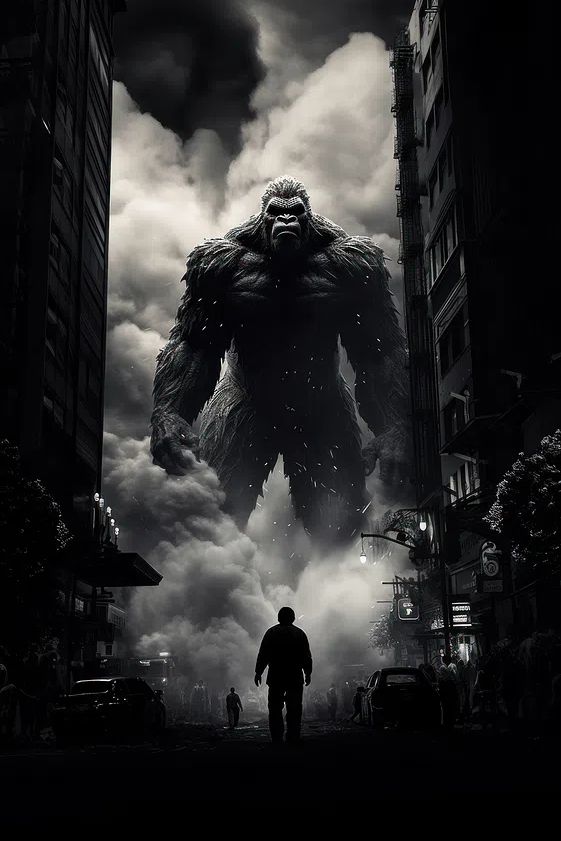
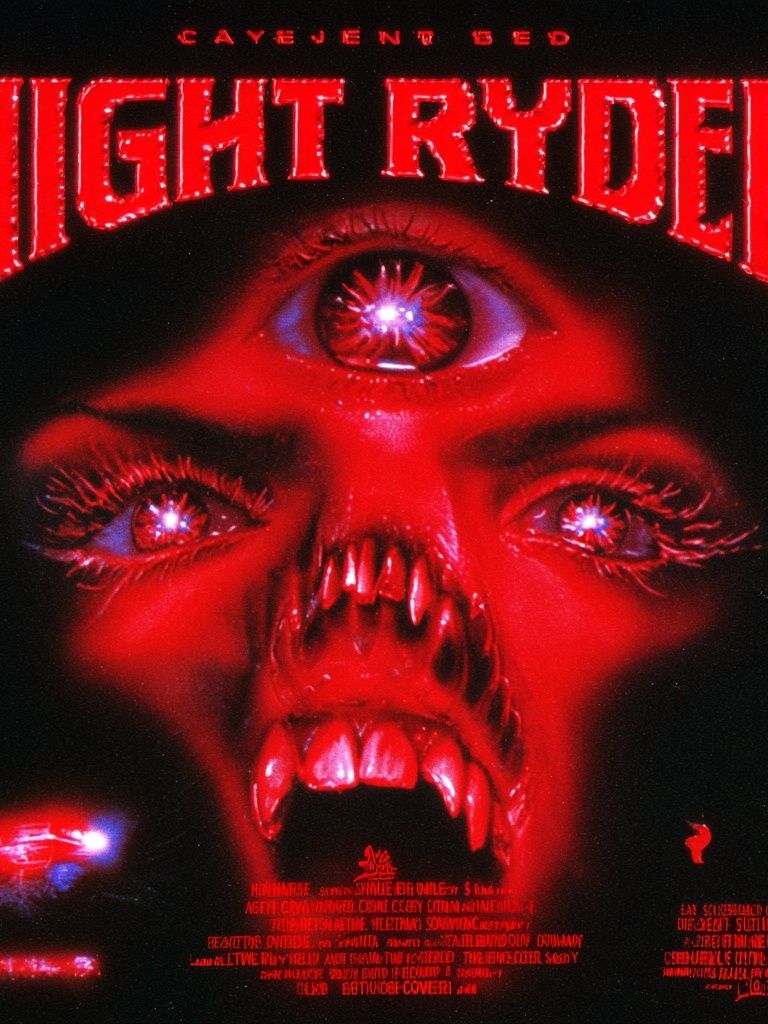
This is where alternate moods matter. Pairing creature features, thriller silhouettes, and one or two vintage-inspired designs creates rhythm. Our Giant Gorilla in Cityscape — Movie Poster has the scale and drama needed for a focal point, while Night Ryder Horror Movie Poster or King Kong — Vintage Movie Poster can support it without competing for the exact same visual territory.
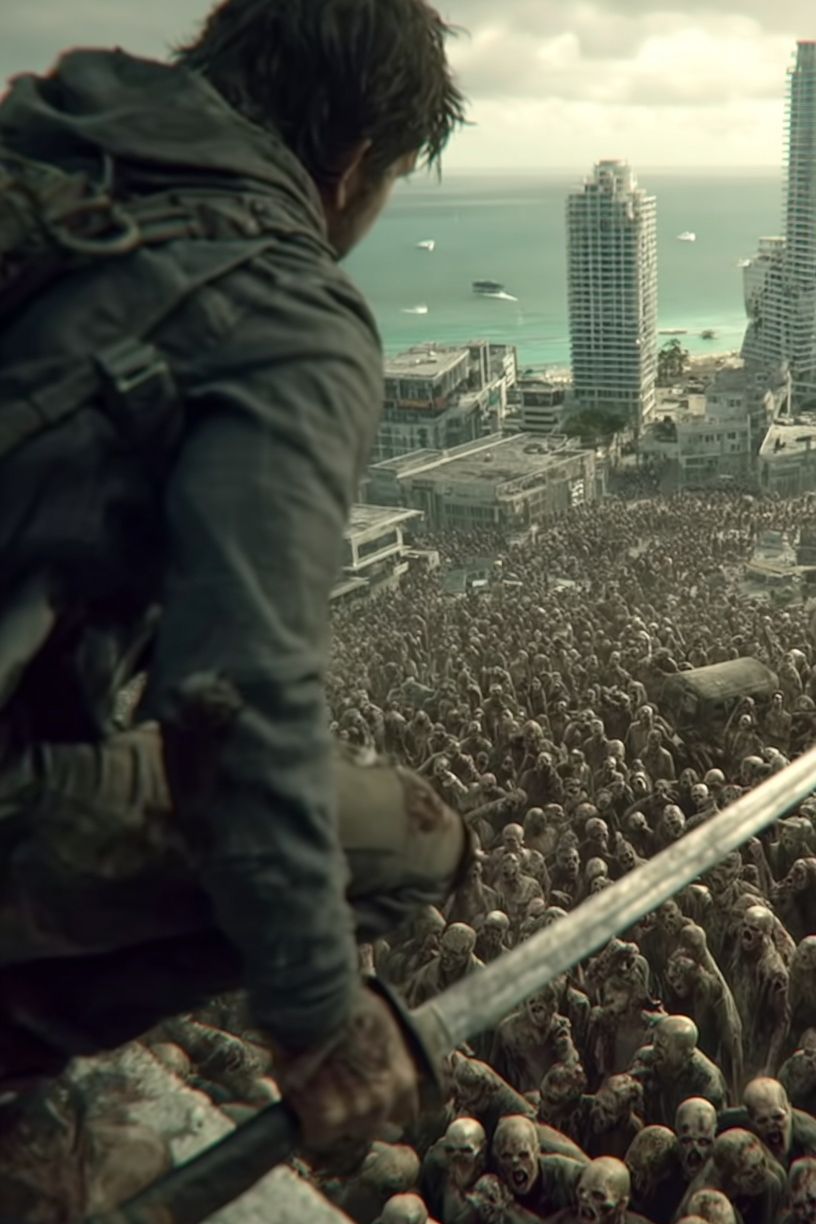


A practical test helps: stand 2.5 to 3 meters away and squint. If every frame shouts at once, remove one. Good collections have contrast in energy as well as color. You want the eye to move across the wall, pause, then return — not get stuck in one overloaded corner.
Think about size, scale, and wall placement
Most movie art looks best when the total arrangement fills 60% to 75% of the furniture width below it. Over a 200 cm sofa, aim for a framed grouping around 120 to 150 cm wide. Above a console table that is 140 cm wide, a single large print around 70 x 100 cm works well, or a trio of 40 x 50 cm frames with 5 to 7 cm spacing between them.
Large walls need fewer pieces than most people think. One oversized work can do more than a grid of twelve small frames, especially in narrow rooms or spaces with low ceilings. If you are starting your movie poster collection in a living room, make one wall the lead wall and leave adjacent walls quieter. That single decision keeps the space feeling curated instead of themed from floor to ceiling.
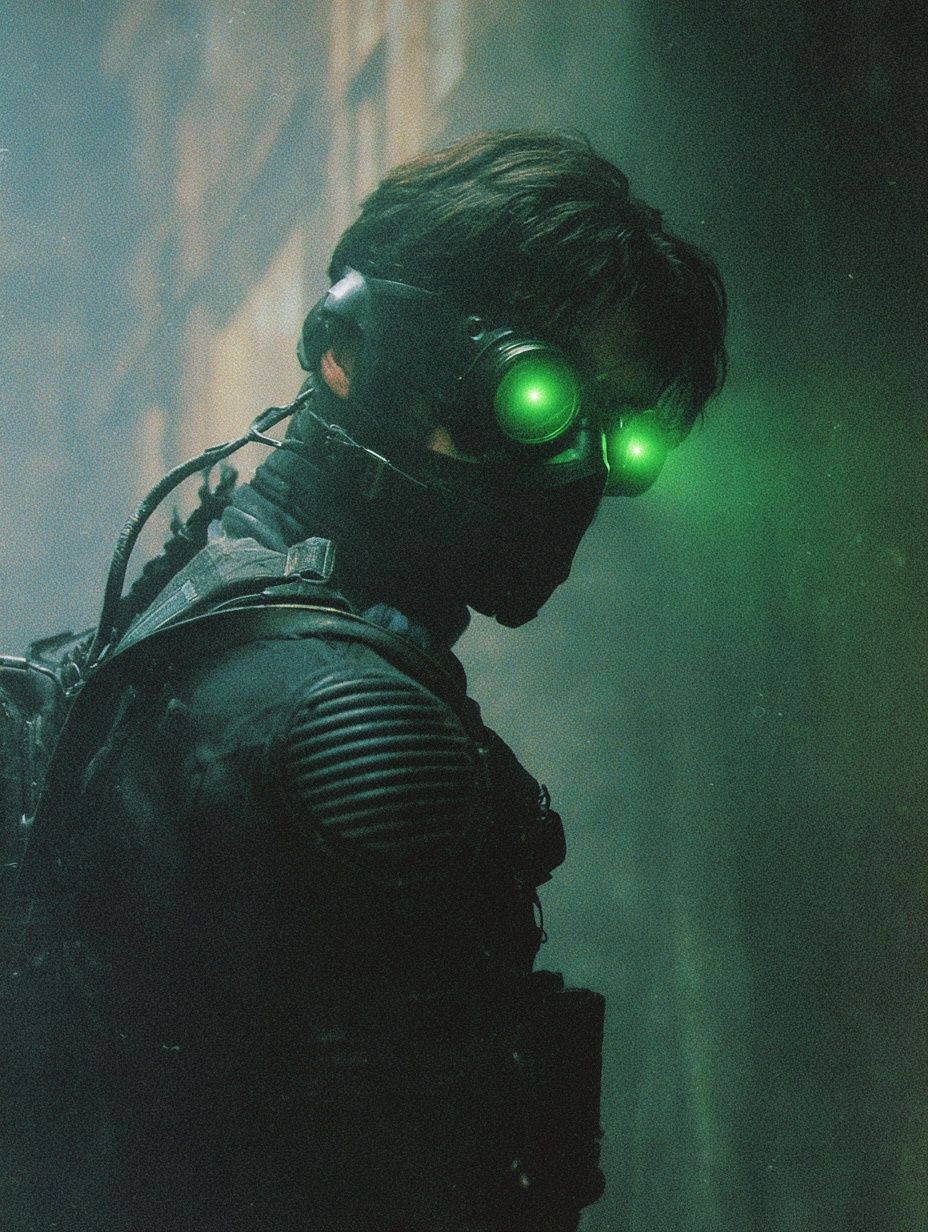
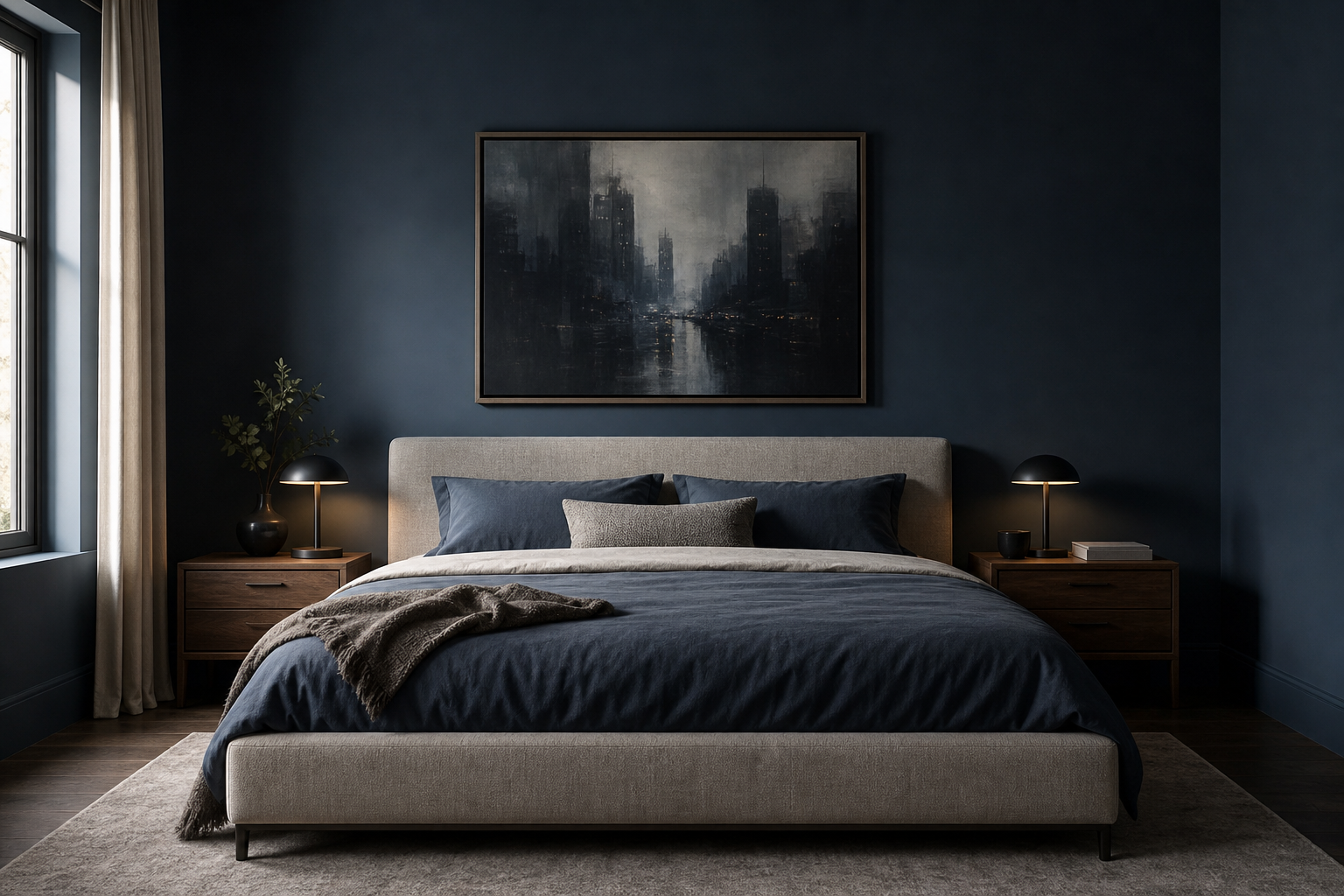
For hallways and staircases, vertical rhythm matters more than scale. Choose narrower pieces and hang the midpoint at roughly 145 cm from the floor. In bedrooms, keep the arrangement 15 to 25 cm above the headboard so it feels connected to the furniture. If you are styling a home office or media nook, one bold frame beside a desk often has more impact than a dense cluster behind a screen.
Frame and finish your posters like artwork
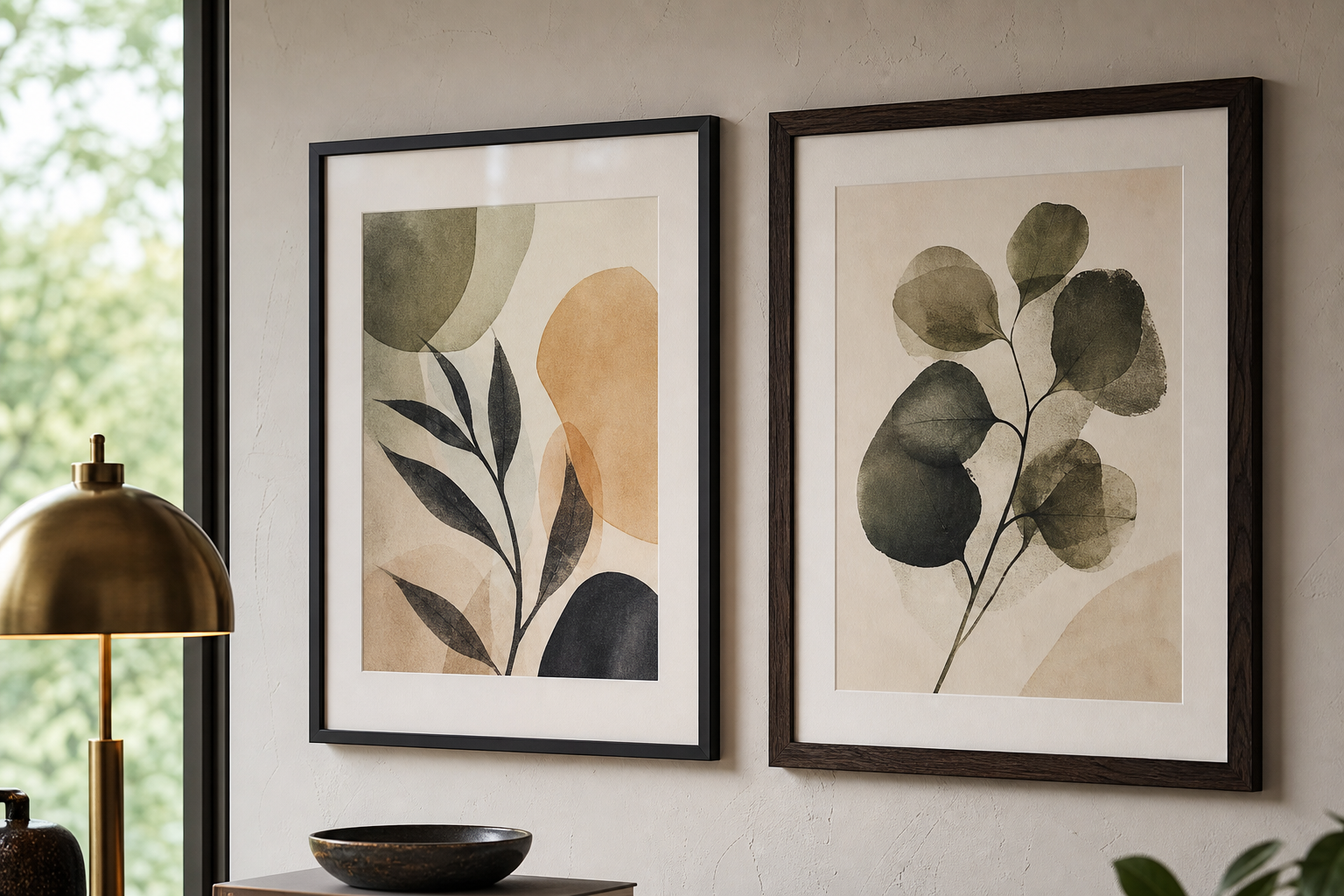
A frame changes the status of the print. Thin matte black or dark walnut frames are the safest choices because they let the image lead while giving the wall structure. For most collections, frame widths between 1.5 and 2.5 cm look crisp and contemporary. If the artwork has a vintage look, a slightly wider profile in wood or antiqued bronze can add weight without feeling heavy-handed.
Glass and mount choices matter just as much. Acrylic glazing is lighter and safer for large 70 x 100 cm pieces, while real glass gives a sharper surface on smaller formats. A white mat board of 4 to 6 cm can make one dramatic piece feel more gallery-like, especially when the artwork itself is dark. If you want a denser salon-style wall, skip mats and keep all frame edges consistent.
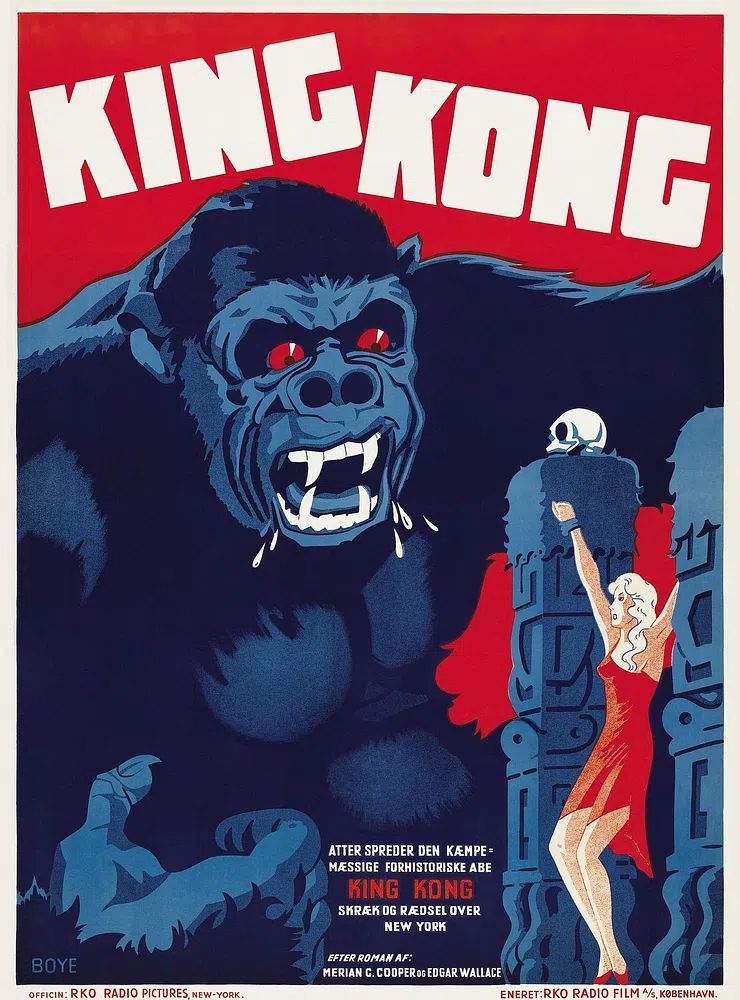
Pieces with old-cinema character, such as King Kong — Vintage Movie Poster, gain presence from classic wood frames and slightly off-white borders. More graphic works from the Minimalist collection can also sharpen a movie wall when used as visual breathing space between busier compositions. That trick works particularly well in mixed-use rooms where you want the collection to feel designed, not memorabilia-driven.
Build a cinematic mood with colour and lighting
The wall should not do all the work. If the room palette supports the art, the whole space feels more immersive. Dark walls in charcoal, deep forest, navy, or muted burgundy tend to make framed film-inspired imagery look richer. In lighter rooms, repeat one dominant print color in textiles or accessories — a rust throw, black side lamp, or brass detail is often enough.
Lighting should be layered, not bright. Aim for warm bulbs around 2700K and place light sources at two levels: ambient room light plus one accent source such as a picture light, wall sconce, or table lamp. Avoid direct ceiling glare on glazed frames. A 30-degree angle from above usually reduces reflections and keeps details visible in darker prints.
If you like a more sophisticated approach, blend your movie wall with pieces from the Fine Art collection or the Typography collection nearby in the same room. That mix gives the interior depth. A home should feel cinematic, not like a concession stand.
Keep collecting with a long-term display plan
The best collections grow in stages. Start with 3 to 5 pieces that already work together, then add one new print every few months. That slower pace gives you time to notice gaps: maybe the wall needs one lighter composition, one vertical format, or one vintage piece to offset modern designs. A movie poster collection built over time usually feels more personal because each addition has a reason to be there.
Rotation helps preserve freshness without buying constantly. Keep seasonal or mood-based swaps in mind — darker horror works in autumn, lighter adventure or classic cinema styles in spring and summer. If you have more than eight framed pieces, store a few flat and rotate 20% to 30% of the wall once or twice a year. That keeps the room dynamic and prevents visual fatigue.
When you shop for additions, look for continuity before novelty. Repeat one element — color, era, subject, or frame finish — so new arrivals connect to what you already own. A collection with a visible thread always reads as intentional, even when the subjects range from monsters to noir streets to cult classics.
Final thoughts
A memorable movie poster collection is usually built on three things: a clear theme, disciplined spacing, and framing that treats every print as part of the room rather than an afterthought. Once those basics are right, even a small wall of 3 or 4 pieces can feel polished and cinematic.
Start with one anchor work, add supporting pieces with quieter energy, and let the room around them carry the same mood. That is how a movie poster collection moves from decoration to atmosphere.