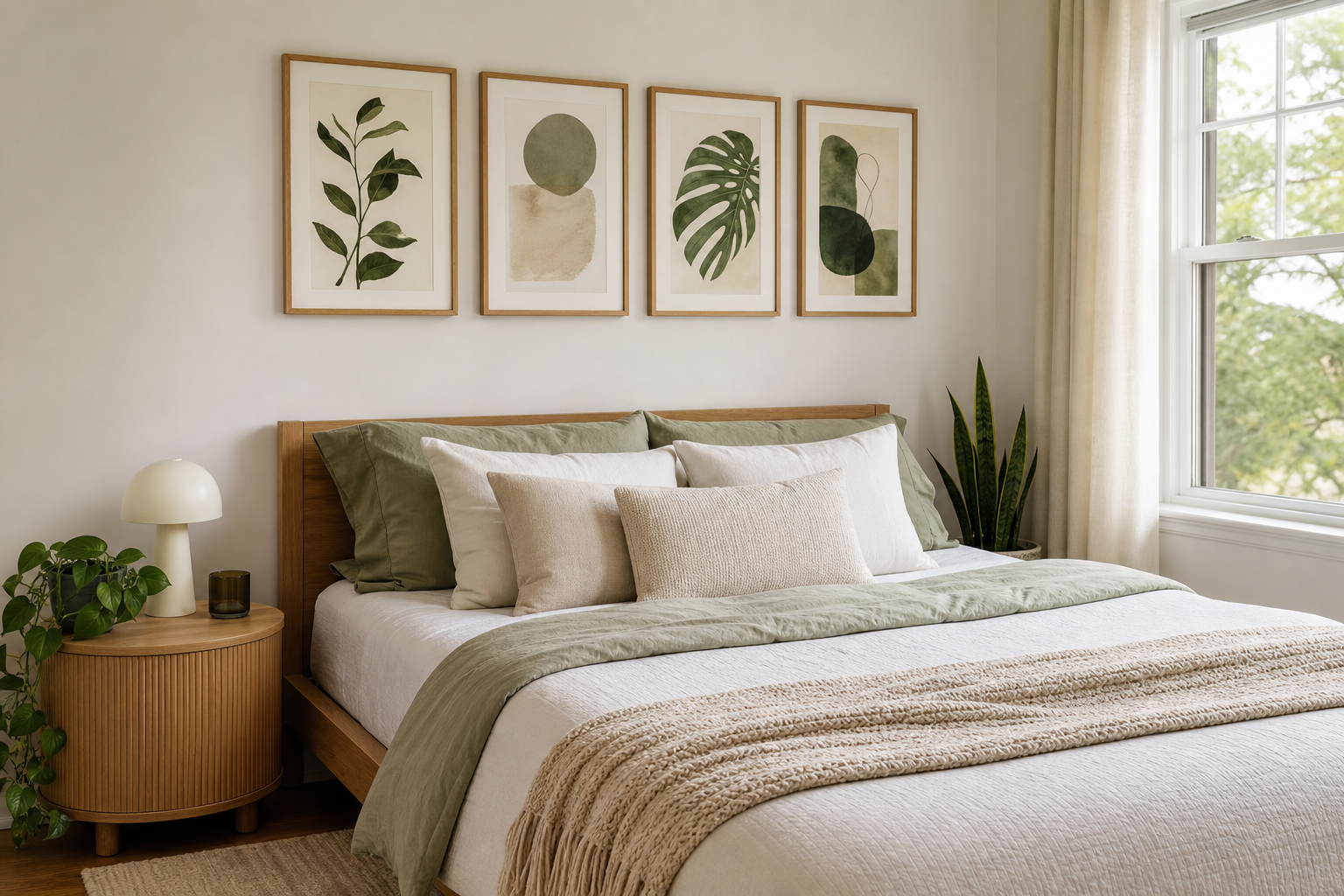
If you are figuring out how to hang posters without damaging your walls, the best result comes from matching the hanging method to the wall surface, the print weight, and the finish of the room. Painted drywall, plaster, brick, wallpaper, and wood paneling all respond differently to adhesive products. A lightweight unframed print on smooth painted drywall may hold well with poster tabs, while a glazed frame needs removable picture strips rated for higher loads.
What to Know Before You Start
Start with the wall itself. Smooth, fully cured painted drywall is the easiest surface for damage-free hanging. Fresh paint usually needs at least 20 to 30 days to cure before any adhesive goes on it. Textured plaster, chalky paint, and wallpaper are much riskier because even low-tack products can lift the finish during removal. In humid rooms — especially bathrooms, poorly ventilated bedrooms, or kitchens — adhesive performance can drop fast once moisture rises above roughly 60%.
Weight matters more than size. A 50 x 70 cm print on thin paper may weigh less than 200 grams, but the same artwork in a glass frame can easily reach 1.5 to 2.5 kg. Check the packaging of any strip or hook and stay under about 75% of its stated limit for a safer hold over time. If a strip says 2 kg, treat 1.5 kg as your working maximum.
The print finish matters too. Thin paper curls more easily at the corners, especially in direct sun or near radiators. A sturdier choice from our Minimalist collection or Fine Art prints with calm tonal detail often looks cleaner when mounted in a frame or magnetic hanger, because the support keeps the edges flat and reduces the need for extra adhesive on the print itself.
Best Damage-Free Ways to Hang Posters
Removable adhesive strips are the strongest all-round option for framed wall art. They work best on smooth painted walls and on frames with a flat back. Use two small pairs for frames up to about 30 x 40 cm, and four pairs for 50 x 70 cm frames if the total weight stays within the rated limit. Press each strip firmly for 30 seconds, then wait at least one hour before hanging if the brand instructions recommend a bonding period.
Poster putty works best for lightweight unframed prints and temporary displays. Use pea-sized pieces in the corners and, for larger formats, add one piece at the midpoint of each side. It is useful in dorm rooms and home offices, but it can leave oily marks on matte paint if left in place for months. On textured walls, it often loses grip at the corners first.
Washi tape is better as a visual styling choice than a structural one. It can hold small prints under 30 x 40 cm, especially lightweight illustrations, but it is less reliable in heat and humidity. Choose it when you want an informal look and you are hanging very light pieces from our Illustration collection rather than heavier framed art.
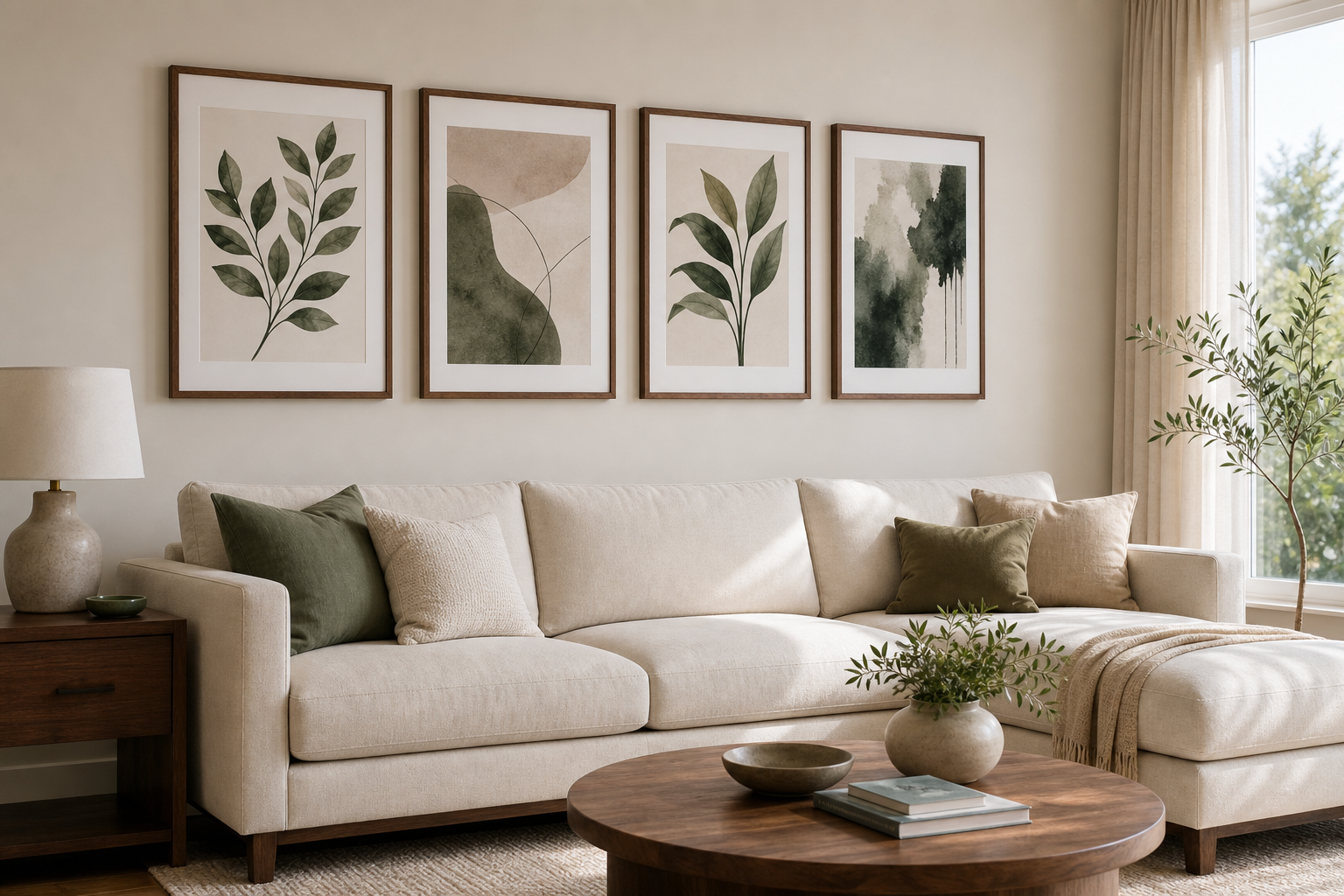
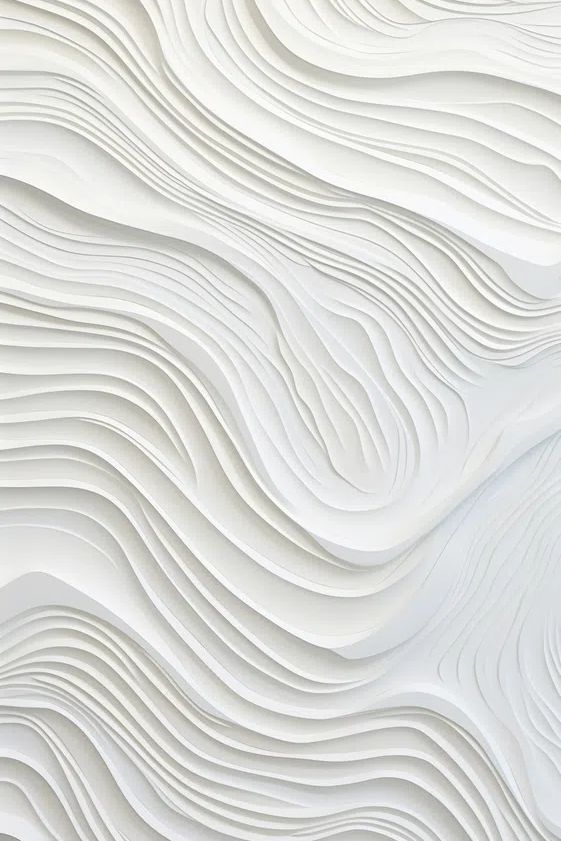
For a cleaner and more polished setup, lightweight frames or magnetic hangers are the safest answer to how to hang posters without damaging your walls. Instead of sticking directly to the paper, you hang one object securely and protect the print at the same time. This is especially effective for neutral pieces such as Textured Waves — Minimalist Print or architectural images with crisp edges that benefit from a straight, taut display.
Clip rails and poster rails are another smart option for renters who rotate art often. Install once with minimal hardware if your lease allows it, or choose adhesive-compatible rail systems for very light displays. After that, swapping prints takes seconds, and the wall no longer gets touched every time you redecorate.
A balanced four-piece arrangement works well when you want coverage without overloading one section of wall. These pieces all suit lightweight frames and clean spacing.
How to Position Posters Cleanly and Securely
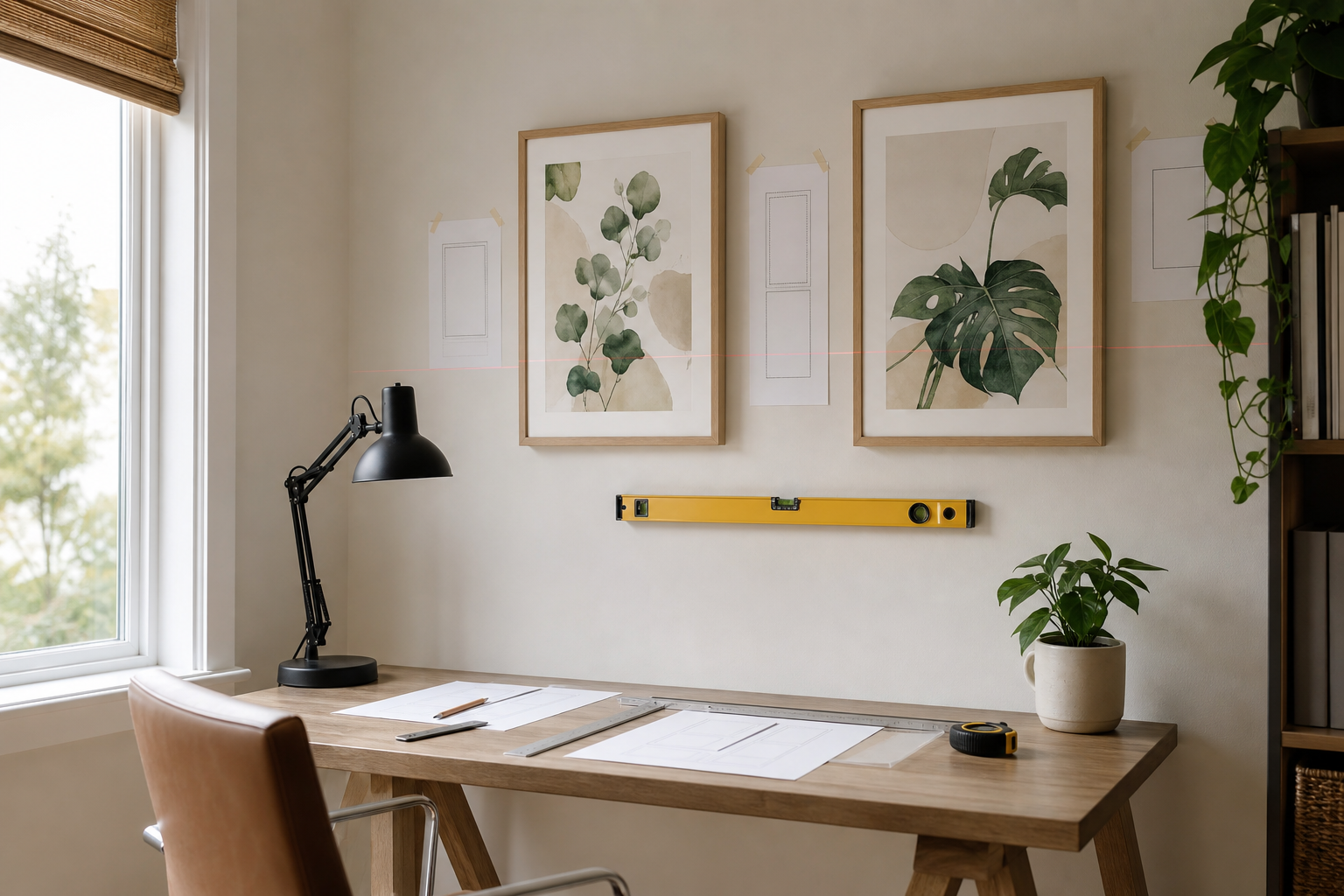
Good placement prevents repeated peeling and reapplying — which is one of the fastest ways to damage paint. Before you remove the adhesive backing, mark the layout with painter's tape or cut paper templates to the exact frame size. Tape the templates to the wall, step back 2 to 3 meters, and check the composition from the main entry point of the room.
For single pieces above furniture, keep the center of the artwork at about 145 to 150 cm from the floor, or hang it 15 to 25 cm above a sofa, headboard, or desk. For pairs and grids, keep spacing tight and consistent: 5 to 8 cm between frames feels intentional in smaller rooms, while 8 to 12 cm works better for larger walls.
Use a level every time, even for one small print. Ceiling lines, skirting boards, and furniture tops are often slightly off, so trust the level instead of the room. Mark the top corners lightly with pencil, then apply your adhesive once. One careful setup is far safer than three rushed adjustments.
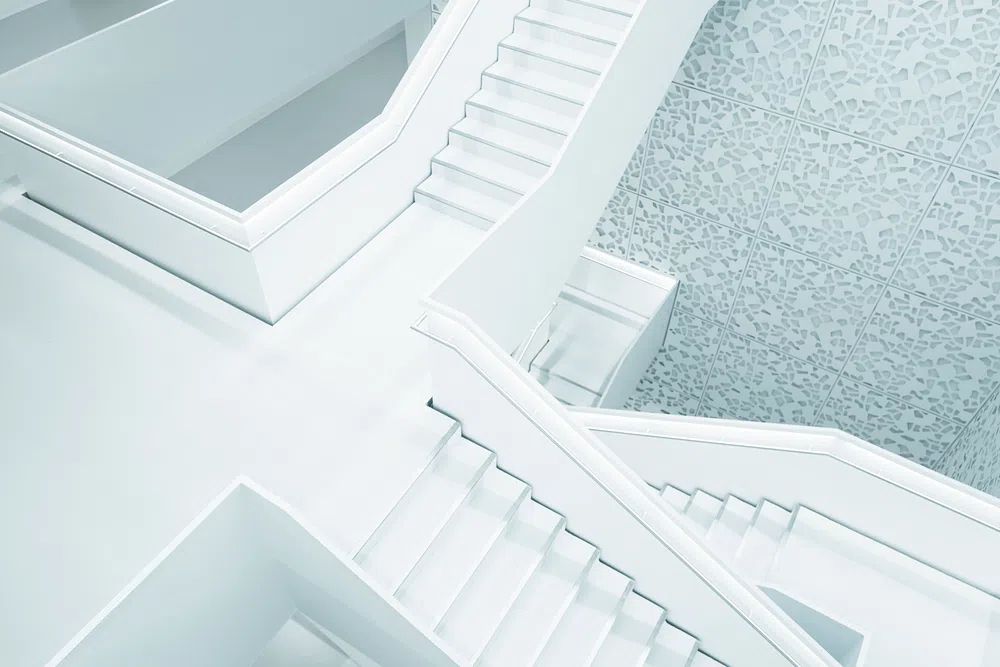
If you are building a gallery wall, start from the center piece and work outward. That keeps the arrangement balanced even if the wall has awkward edges like windows, shelving, or a floor lamp. For calm, cohesive results, mix subjects that share soft neutrals or clean geometry from our Architecture category and Minimalist art prints rather than combining too many visual styles at once.
Framing Tricks That Protect Both Wall and Print
A frame does more than polish the look. It protects the print edges, reduces curling, and gives adhesives a more stable surface to grip. Thin aluminum or acrylic frames are often better than heavy solid wood when you want a damage-free setup, because they reduce total hanging weight by several hundred grams.
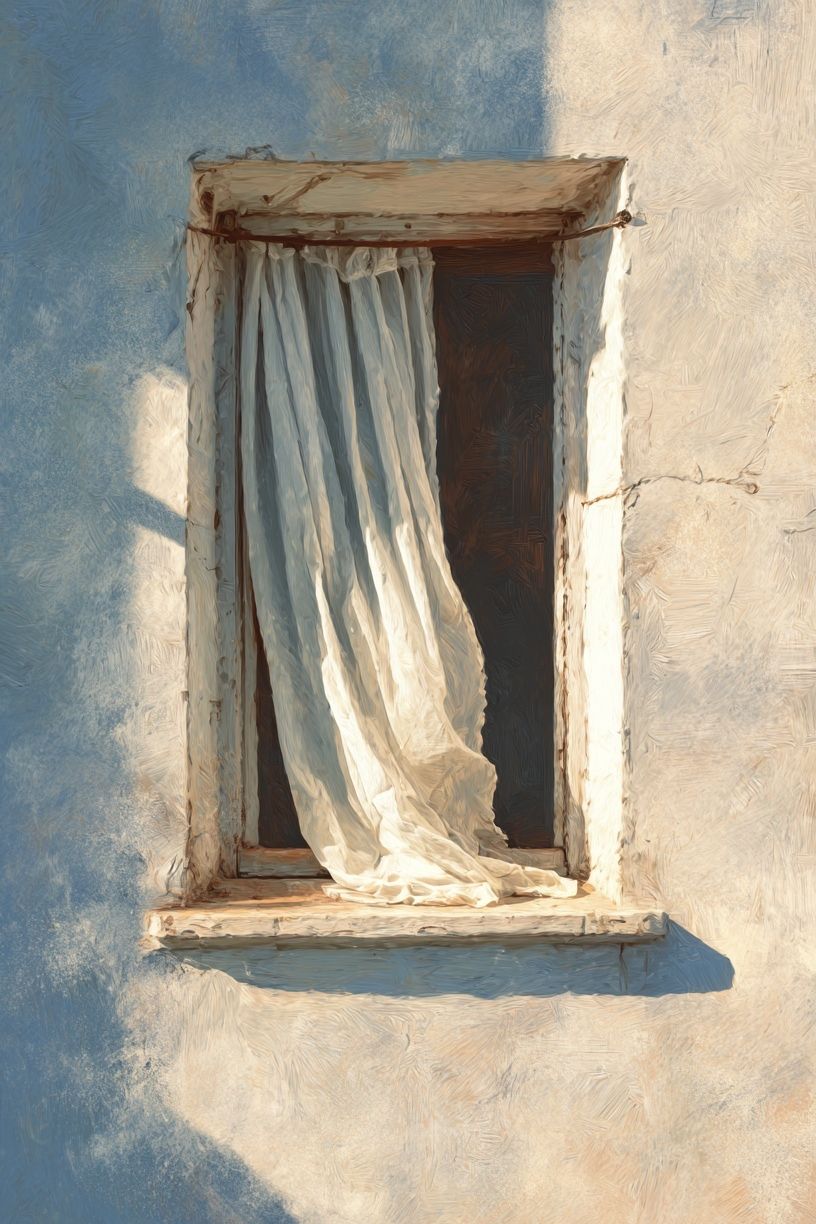
Use acid-free backing and avoid taping directly onto the artwork. If you want a border, add a mount so the print sits away from the glazing and stays flatter over time. This is particularly helpful for texture-led pieces like Gray burlap textured background or quieter imagery from Window with Sheer Curtain — Fine Art Print, where ripples and corner lift are more noticeable.
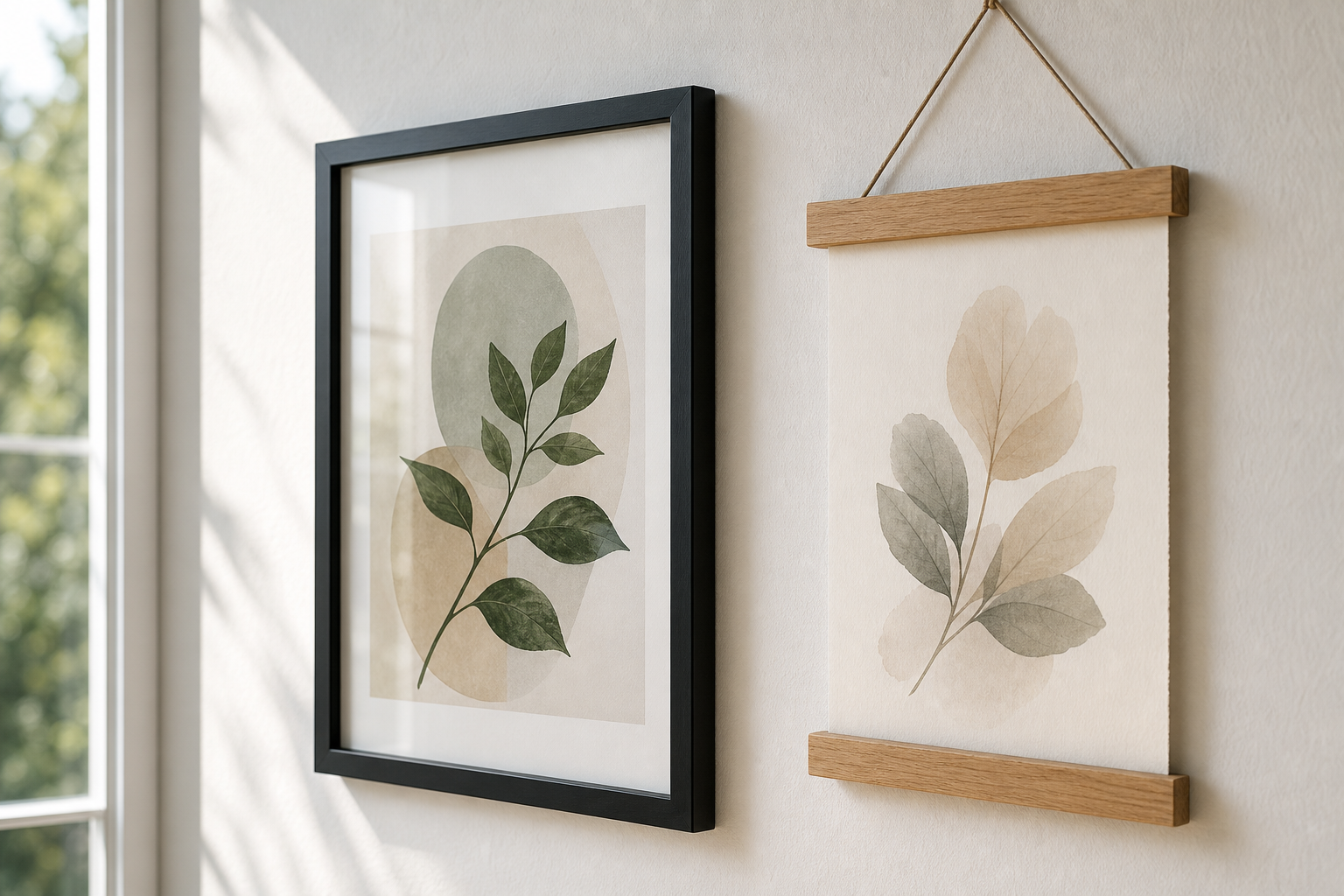
Magnetic wooden hangers are a strong middle ground between unframed and fully framed. They keep the paper straight with very little added weight, so one small adhesive hook is often enough for prints up to 30 x 40 cm. For larger formats, choose a wider hanger so the top bar supports the paper evenly across the full width.
For renters who change displays seasonally, keep a small toolkit: microfiber cloth, painter's tape, measuring tape, a 60 cm level, and spare adhesive strips in two weight ratings. That lets you swap pieces like Typography wall art or our Bohemian collection without improvising with risky tape or pins.
Common Mistakes That Cause Wall Damage
The biggest mistake is using the wrong adhesive for the wall finish. Standard office tape, duct tape, and strong double-sided craft tape are common causes of peeled paint and sticky residue. They are not designed for clean removal, especially after weeks or months under tension.
The second mistake is skipping surface prep. Dust, grease, and humidity all weaken the bond, which leads people to add more adhesive than necessary. Wipe the wall with a dry or barely damp microfiber cloth, let it dry fully, and avoid hanging on cold exterior walls with condensation issues.
The third mistake is removing strips too quickly. Most removable products need a slow, straight downward stretch — often 15 to 30 cm — to release cleanly. Pulling outward from the wall is what tears paint. If a strip feels stuck, warm the area slightly with room-temperature air from a hair dryer held at a distance, then try again slowly.
Another frequent problem is overloading one point. A large frame hung with a single center tab may hold for a day and fail on the third. Spread the weight across the corners, keep within the load rating, and use matching products from the same brand line so the system performs as tested.
Final Tips for a Renter-Friendly Poster Display
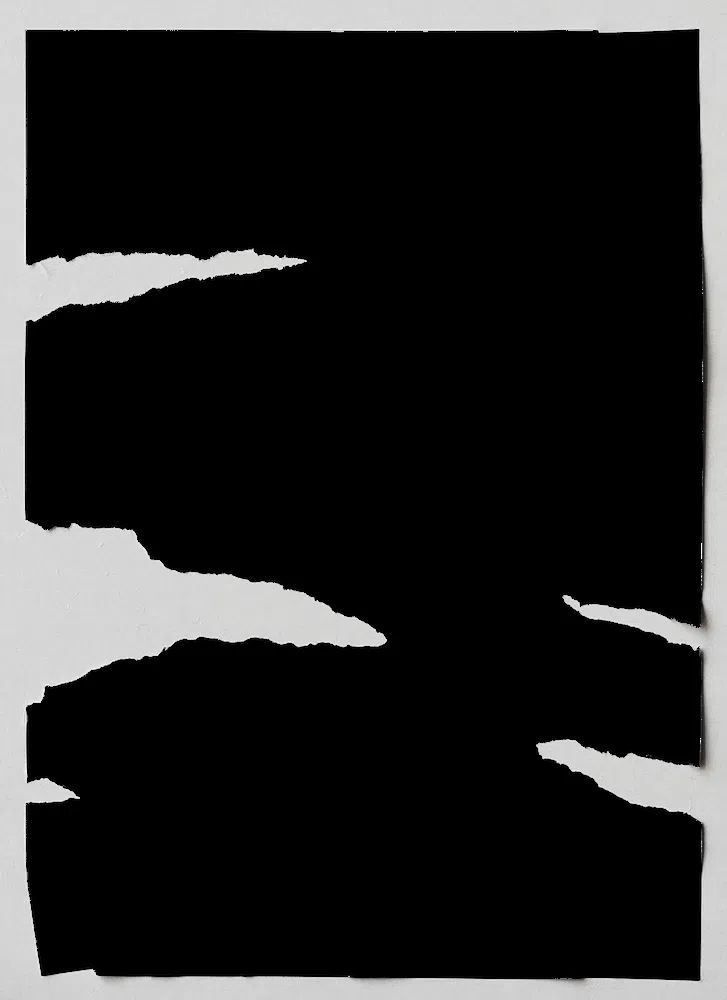
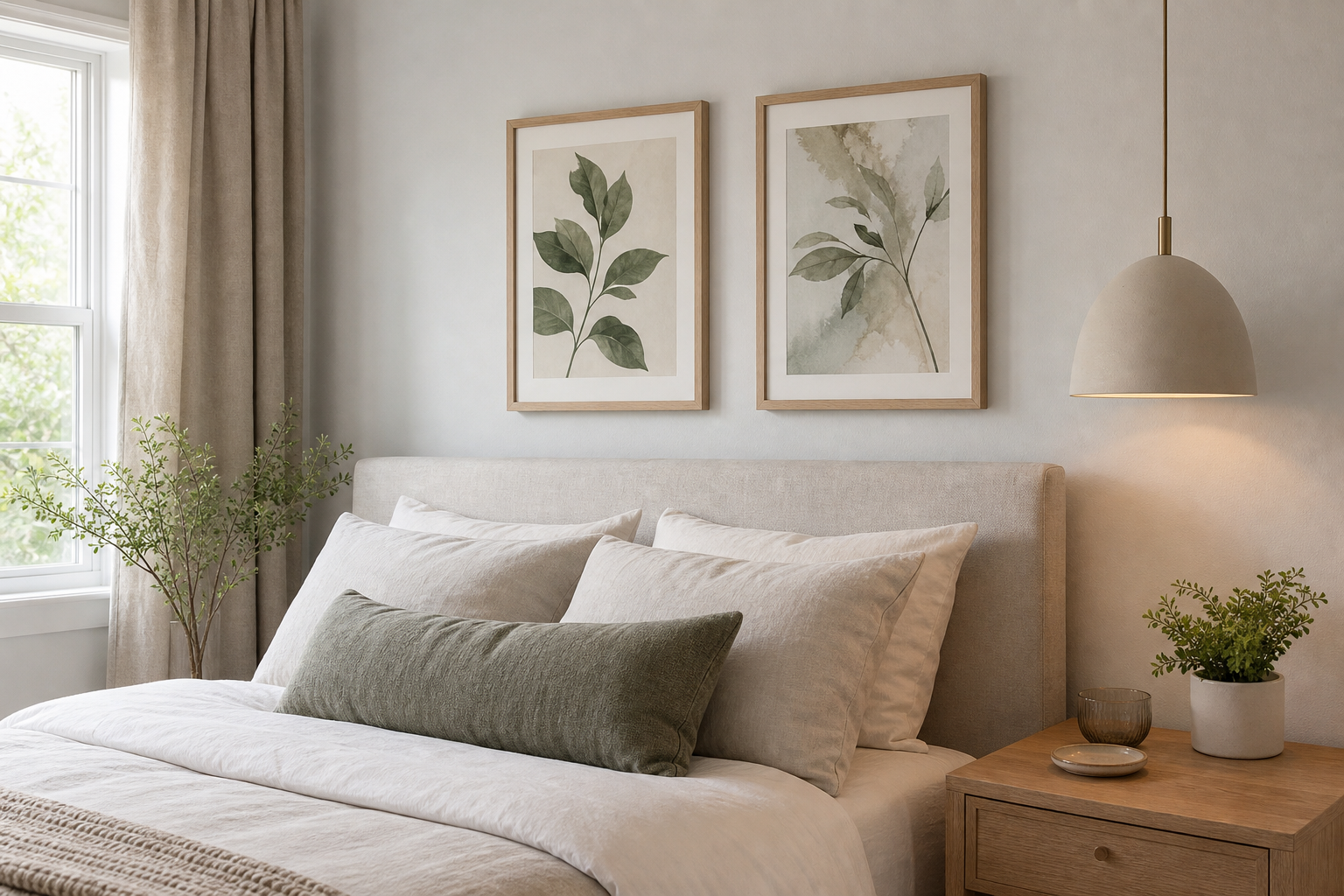
For a temporary setup, choose lighter formats, fewer oversized frames, and art that suits simple clean spacing. Neutral designs from Torn Paper Black and White Poster or structured interiors like Modern Loft Living Room — Interior Design Print are easy to reposition around furniture as your room changes. If you plan to swap pieces often, stick to one or two frame sizes — 30 x 40 cm and 50 x 70 cm are the easiest combination for flexibility.
The smartest version of how to hang posters without damaging your walls is simple: test the wall, reduce the weight, plan the placement once, and remove everything slowly when the time comes. When the print is protected and the hanging method matches the surface, your display looks sharper and your walls stay intact.